Stepping onto your yoga mat marks the beginning of your practice, a moment to connect with yourself and the present. But have you ever considered what lies beneath your hands and feet? Many conventional yoga mats, laden with synthetic materials, can detract from a truly mindful and healthy experience. This comprehensive review delves into the Scoria Cork Yoga Mat, a celebrated eco-friendly alternative, exploring its unique features, undeniable benefits, and how it measures up against traditional options. Discover if this sustainable choice is the perfect foundation for your yoga journey.
What is a Yoga Mat? Why is it Essential?
A yoga mat is more than just a piece of equipment; it’s a personal space that provides stability, cushioning, and hygiene during your practice. Its primary role is to offer a non-slip surface, preventing injuries and allowing you to hold poses with confidence. Beyond safety, a quality mat cushions joints, making your practice more comfortable, especially during floor work or balancing postures. Choosing the right mat significantly enhances your overall yoga experience, transforming your practice from merely physical exercise into a truly supportive and immersive journey.
The market offers various popular yoga mat types, each with distinct characteristics. While some prioritize affordability, others focus on specific performance needs or environmental impact. Understanding these differences is key to selecting a mat that aligns with your values and practice style.
Popular Yoga Mat Types: A Detailed Comparison
The material of your yoga mat dictates its performance, durability, and environmental footprint. Let’s compare some of the most common types, with a spotlight on cork.
PVC Yoga Mats
Polyvinyl Chloride (PVC) mats have historically been a popular choice due to their low cost and wide availability. However, their manufacturing process involves chlorine, carbon, and ethylene, relying heavily on fossil fuels. PVC mats are not easily recyclable, often ending up in landfills where they can release dioxins, a known carcinogen, as they break down. These mats typically contain phthalates for flexibility and heavy metals, which can enter the body through inhalation or skin contact. Their “open-cell” technology tends to absorb sweat and oils, making them potential breeding grounds for bacteria.
- Pros: Inexpensive, easy to clean, durable.
- Cons: Not environmentally friendly, non-biodegradable, contains harmful chemicals (phthalates, lead, dioxins), can harbor bacteria, poor grip when wet.
- Best for: Beginners or those on a very limited budget who don’t prioritize eco-friendliness or intense sweaty practices.
|
Our Picks for the Best Yoga Mat in 2026
As an Amazon Associate I earn from qualifying purchases.
|
||
| Num | Product | Action |
|---|---|---|
| 1 | Retrospec Solana Yoga Mat 1/2" Thick w/Nylon Strap for Men & Women - Non Slip Excercise Mat for Yoga, Pilates, Stretching, Floor & Fitness Workouts |

|
| 2 | Gruper Yoga Mat Non Slip, Eco Friendly Fitness Exercise Mat with Carrying Strap,Pro Yoga Mats for Women,Workout Mats for Home, Pilates and Floor Exercises |
|
| 3 | Retrospec Solana Yoga Mat 1" Thick w/Nylon Strap for Men & Women - Non Slip Exercise Mat for Home Yoga, Pilates, Stretching, Floor & Fitness Workouts |
|
| 4 | Amazon Basics Extra Thick Exercise Yoga Mat with Carrying Strap |
|
| 5 | Retrospec Solana Yoga Mat 1" Thick w/Nylon Strap for Men & Women - Non Slip Exercise Mat for Home Yoga, Pilates, Stretching, Floor & Fitness Workouts |
|
| 6 | Amazon Basics 1/4 Inch Thick TPE Exercise Yoga Mat with Carrying Strap |
|
| 7 | Amazon Basics Extra Thick Exercise Yoga Mat with Carrying Strap |
|
| 8 | CAP Barbell High Density Exercise Yoga Mat with strap, 68"x24"x 1/2" - Sage Green |
|
| 9 | MICRODRY Deluxe Fitness Exercise Yoga Mat for Home & Gym, Extra Thick for High Impact Training, Multi Layered Skid Resistant Surface, Odor Neutralizing with Carrying Strap |
|
| 10 | Amazon Basics Extra Thick Exercise Yoga Mat with Carrying Strap |
|
TPE Yoga Mats
Thermoplastic Elastomers (TPE) mats emerged as a “better” alternative to PVC, made from a blend of synthetic materials and petrochemicals. While they are easier to clean than PVC, TPE mats are still not the most sustainable option and are not always ideal for long-term health. Some TPE blends, like styrenic block copolymer, have been identified as potential carcinogens. They tend to wear down faster with heat and repeated use, often requiring replacement every 3-5 years, and are typically not easily recyclable, contributing to landfill waste.
- Pros: Lighter than rubber, often recyclable (though not always effectively), free from PVC.
- Cons: Less durable than cork or natural rubber, made with synthetic materials and petrochemicals, can degrade with heat.
- Best for: Casual practitioners seeking a slightly more eco-conscious option than PVC without the higher cost of natural materials.
Natural Rubber Yoga Mats
Natural rubber mats are highly regarded for their exceptional grip and eco-friendly properties, tapped from rubber trees. They are biodegradable and offer excellent traction in both dry and wet conditions. However, some individuals may find the natural rubber scent strong, and they can be heavier and pricier than synthetic options.
- Pros: Excellent grip (consistent traction from the first pose), durable, eco-friendly, biodegradable.
- Cons: Can have a distinct natural rubber smell, heavier, higher price.
- Best for: Professional yogis, those who prioritize superior grip and eco-friendliness, and don’t mind the natural scent or weight.
Cork Yoga Mats (Scoria Specific)
Scoria cork yoga mats combine a top layer of sustainably harvested cork from Portugal with a natural rubber base from Vietnam. These layers are fused using light, water-based eco adhesives and high temperatures, ensuring a strong bond without harmful chemicals or glues. The designs on Scoria mats are created using water-based, non-toxic inks. Cork is a renewable resource, with bark harvested from mature trees every 9-12 years, a process that actually aids tree regeneration and carbon dioxide absorption.
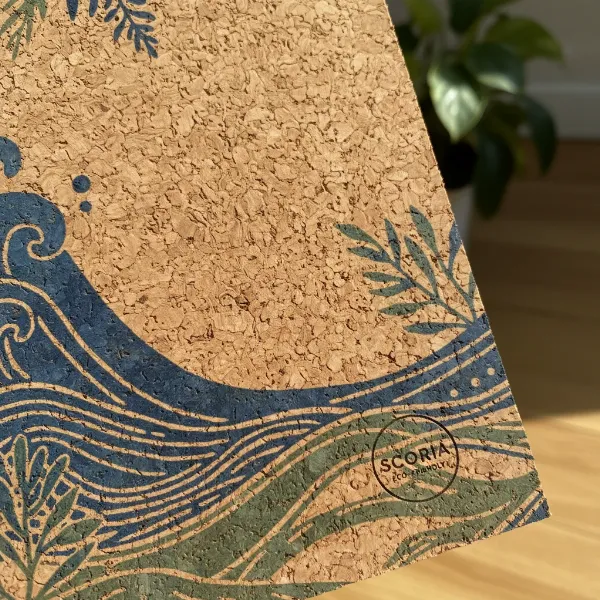 A close-up shot of a Scoria cork yoga mat showcasing its natural texture and design.
- Pros:
- Eco-Friendly & Non-Toxic: Made from 100% natural, sustainably harvested cork and natural rubber, free from PVC, TPE, phthalates, and heavy metals. Scoria also commits to carbon-neutral deliveries and plastic-free packaging.
- Superior Grip: Cork’s natural properties enhance grip as you sweat, making it ideal for hot yoga or intense practices where slipping is a concern. For cooler practices, a light spritz of water can activate the “sweat-grip” feature.
- Hygienic: Cork is naturally antimicrobial, resisting bacteria, mold, and mildew. This means the mat effectively self-sanitizes, reducing the need for frequent deep cleaning.
- Comfort & Durability: The cork and natural rubber combination provides a comfortable yet stable surface, offering excellent cushioning and support for joints. Scoria mats are built for longevity and come with a 1-year warranty.
- Aesthetic & Variety: Scoria offers a wide range of thicknesses (2mm travel to 6mm extra thick) and sizes (standard, extra tall, extra wide, kids), along with beautiful, artistic designs that can inspire your practice.
- Cons:
- Weight: Thicker mats can be heavier than synthetic alternatives, although a carrying strap is included with all mats.
- Initial Grip: May require a light spray of water to activate grip in dry conditions or before the body warms up and begins to sweat.
- Price: Generally a higher upfront investment compared to PVC or TPE mats, but offset by durability and environmental/health benefits.
- Best for: Eco-conscious yogis, those who sweat a lot, individuals prioritizing hygiene, and practitioners seeking a durable, comfortable, and non-toxic mat.
Jute Yoga Mats
Jute mats are made from the natural fibers of the jute plant, often blended with PER (Polymer Environmental Resin), a non-toxic, eco-friendly material. They offer a textured, natural feel and moderate grip.
- Pros: Environmentally friendly, good texture, moderate grip.
- Cons: Can be rough to the touch, less cushioning, grip might not be sufficient for very sweaty practices.
- Best for: Gentle yoga, restorative practices, or those who prefer a natural, earthy texture.
Cotton Yoga Mats
Cotton yoga mats, sometimes called “yoga rugs,” are soft and absorbent. They are often used as a topper over another mat or for specific traditional yoga styles.
- Pros: Soft, highly absorbent (great for absorbing sweat), natural material.
- Cons: Offers minimal cushioning, can bunch up, less grip than rubber or cork, requires more frequent washing.
- Best for: Ashtanga or Mysore-style yoga, meditation, or as a mat topper for added absorbency.
Comparison Table: Key Yoga Mat Materials
| Material | Pros | Cons | Grip (Dry/Wet) | Durability | Price | Best For |
|---|---|---|---|---|---|---|
| PVC | Affordable, easy to clean, highly durable. | Not eco-friendly, non-biodegradable, contains harmful chemicals (phthalates, lead, dioxins), retains sweat and bacteria. | Medium/Low | High | Low | Budget-conscious beginners, light practice. |
| TPE | Lighter, potentially recyclable, free from PVC. | Synthetic materials, less durable than natural rubber/cork, can degrade with heat, not always truly recyclable, some blends may be carcinogenic. | Medium | Medium | Medium | Casual practitioners, those avoiding PVC. |
| Natural Rubber | Excellent grip (wet or dry), eco-friendly, biodegradable, supportive. | Can have a strong rubber odor, heavier, higher price. | Excellent | High | High | Experienced yogis, hot yoga, prioritizing grip. |
| Cork (Scoria) | Eco-friendly, antimicrobial, non-toxic, grip improves with sweat, comfortable, diverse designs. | Can be heavier (thicker mats), may need water spray for dry grip, higher price. | Excellent | High | High | Eco-conscious, sweaty practices, hygiene-focused. |
| Jute | Natural, eco-friendly, good texture. | Can be rough, less cushioning, moderate grip, can be difficult to clean if soiled. | Medium | Medium | Medium | Gentle yoga, restorative, natural feel. |
| Cotton | Soft, highly absorbent, natural. | Minimal cushioning, can bunch up, low grip (especially dry), requires frequent washing, not ideal for vigorous styles. | Low | Low | Low | Meditation, restorative yoga, mat topper, traditional styles. |
How to Choose the Perfect Yoga Mat
Selecting the ideal yoga mat involves balancing your personal practice needs, preferences, and ethical considerations.
Thickness
The thickness of your mat significantly impacts comfort and connection to the floor.
- 3-4mm (Travel/Commute): Ideal for those who prefer a strong connection to the floor for balance poses or who travel frequently. Scoria offers a 2mm travel mat and a 3.5mm “commute” option, which are lightweight and portable.
- 5-6mm (Standard): The most popular thickness, offering a good balance of cushioning and stability. Scoria’s 4.5mm mat is considered standard and suitable for most practitioners.
- Over 6mm (Extra Thick): Best for individuals needing maximum cushioning for joint protection or those with sensitive knees, hips, or wrists. Scoria provides a 6mm “extra thick” mat specifically designed for this purpose. Be aware that these can be heavier to transport.
Size
Choosing the right dimensions ensures you have enough space to move freely without slipping off.
- Length: Your mat should be at least 6-10 inches (15-25 cm) longer than your height. This allows you to lie down fully without your head or feet touching the floor. Scoria offers standard, extra tall, and extra-large options to accommodate various heights.
- Width: A comfortable width ensures you don’t feel constrained. Scoria also has extra-wide mats for practitioners who desire more lateral space.
Grip
Grip is paramount for safety and effective practice, especially in dynamic or sweaty yoga styles. Look for mats that provide reliable traction. Cork mats, like those from Scoria, are renowned for their “sweat-grip” technology, where grip actually increases with moisture, making them excellent for hot yoga. For cooler, drier practices, a quick spray of water can enhance the cork’s grip. Natural rubber mats also offer consistently strong grip.
Material
As detailed in the comparison table, the material profoundly affects performance, hygiene, and environmental impact. For those prioritizing sustainability, non-toxicity, and hygiene, cork or natural rubber are superior choices. Scoria’s blend of cork and natural rubber offers the best of both worlds.
Price
Yoga mat prices vary widely based on material, brand, and features. While PVC mats are the cheapest, they often come with environmental and health trade-offs. Cork mats, like Scoria, represent a higher initial investment but are considered worthwhile due to their durability, eco-friendliness, and advanced features, often lasting for years. Consider your budget in conjunction with your commitment to yoga and your values.
Tips for Cleaning and Storing Your Yoga Mat
Proper care is essential to extend the lifespan of your Scoria Cork Yoga Mat and maintain its hygienic properties.
Regular Cleaning
Because cork is naturally antimicrobial and self-sanitizing, Scoria mats require less frequent cleaning than synthetic mats.
- After every practice: Simply lay the mat flat to air dry. If you notice any dirt or body oils, wipe the cork surface with a soft, damp cloth using warm water.
- Weekly/Occasional deep clean: For a more thorough clean, mix a tiny drop of mild, natural soap (like an unscented dish soap) with warm water. Wipe the mat in sections with a damp (not dripping) soft cloth, then wipe again with a clean, damp cloth to remove any soap residue. Avoid harsh chemicals, bleach, strong disinfectants, or alcohol-heavy cleaners, as these can break down natural materials.
Drying
Always ensure your mat is completely dry before rolling or storing it to prevent mold and mildew. Lay it flat to air dry in a cool, well-ventilated area, away from direct sunlight for extended periods, as this can degrade the cork.
Storage
Correct storage protects your mat from damage and helps maintain its shape.
- Roll cork-side out: This is crucial for preserving the cork surface and preventing creases or damage.
- Store in a cool, dry place: Avoid leaving your mat in hot environments like a car or direct sunlight, which can cause material degradation.
- A carrying strap (included with Scoria mats) or a dedicated yoga mat bag can protect your mat from scuffs and dirt when traveling.
Top Yoga Mat Choices: A Spotlight on Scoria Cork
When considering the best yoga mats available, the Scoria Cork Yoga Mat stands out for its blend of sustainability, performance, and aesthetic appeal. Users consistently praise its unique “sweat-grip” feature, which becomes even more effective as you warm up and perspire, eliminating the need for a towel in many practices. The natural, non-toxic cork surface, backed by natural rubber, offers both comfort and firm support, protecting joints without compromising stability.
Scoria is a Canadian, woman-owned brand that emphasizes ethical production, sustainability, and giving back to the community, including initiatives that empower Indigenous youth. Their commitment to carbon-neutral deliveries further solidifies their position as a leader in eco-conscious yoga gear.
For those looking for a versatile mat, Scoria offers a range of thicknesses and sizes. The 4.5mm standard mat is perfect for most, while the 6mm extra-thick option provides exceptional cushioning for sensitive joints. Travel mats are also available for yogis on the go. The beautiful, diverse designs, from botanicals to lunar phases, allow practitioners to express their personal style and connect with their inner child, a core value of the Scoria brand.
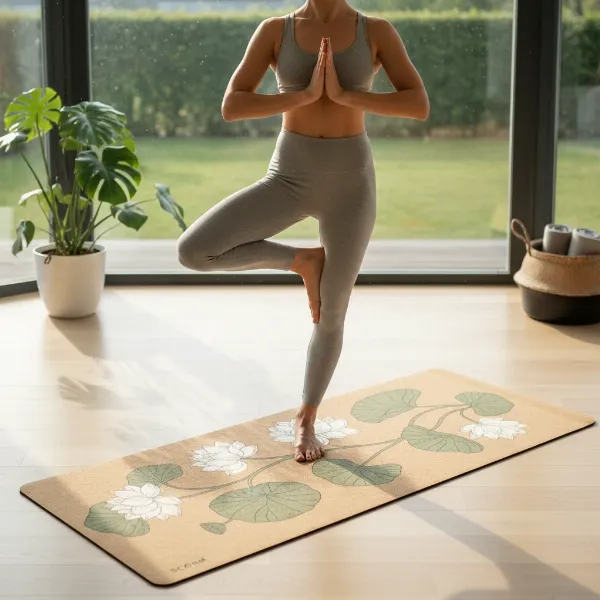 A woman performing a yoga pose on a Scoria cork mat in a serene, natural light setting.
“The Scoria cork yoga mat offers a fantastic combination of comfort, durability, and sustainability, making it a solid investment for any practice.” – Irina Webb, Consumer Safety Advocate & Founder of I Read Labels For You.
Where to Buy a Scoria Cork Yoga Mat
Scoria Cork Yoga Mats are readily available directly from the official Scoria World website. This ensures you receive authentic products, access to their full range of designs and sizes, and any exclusive offers or warranties. They offer global shipping, and notably, US customers are not charged duties or taxes on their orders.
When purchasing online, always ensure you are on the official brand website or a reputable retailer to guarantee product authenticity and reliable customer service. Checking customer reviews on the brand’s site can also provide valuable insights into other users’ experiences.
Buying Guide: Key Considerations
Before making your purchase, reflect on these points:
- Budget: While Scoria mats are a higher investment, consider their longevity and health benefits against the cost.
- Practice Frequency: If you practice regularly or intensely, a durable, high-performance mat like Scoria’s cork mat is a worthwhile investment.
- Yoga Style: For hot yoga or dynamic flows, the sweat-activated grip of cork is a significant advantage. For restorative practices, the cushioning is key.
- Personal Factors: Choose a thickness that supports your body, a size that accommodates your frame, and a design that resonates with you. Remember that thicker mats can be heavier, but a carrying strap is provided.
Conclusion
The Scoria Cork Yoga Mat stands out as an exceptional choice for the modern yogi, seamlessly blending high performance with profound environmental consciousness. Its natural cork and rubber construction provides unparalleled grip, especially as your practice intensifies and you begin to sweat, fostering a sense of stability and confidence in every pose. Beyond its superior functionality, the antimicrobial properties of cork ensure a hygienic surface, reducing concerns about germs and odors.
Opting for a Scoria mat means investing in a durable, non-toxic product crafted with sustainability at its core, from its responsibly sourced materials to its carbon-neutral deliveries. While the initial investment may be higher than synthetic alternatives, the long-term benefits for your health, practice, and the planet make it a truly worthwhile choice.
Ready to elevate your yoga experience with a mat that truly supports your mind, body, and values? Embrace the natural advantage of cork and feel the difference in your practice. What impact will your next yoga mat make?
Frequently Asked Questions
Is a cork yoga mat good for hot yoga?
Yes, cork yoga mats, especially Scoria’s, are excellent for hot yoga. Their grip naturally increases with moisture and sweat, providing enhanced stability and reducing the need for a towel.
How do I clean my Scoria cork yoga mat?
To clean your Scoria cork mat, simply wipe it down with a soft, damp cloth and warm water after each use. For occasional deeper cleaning, use a tiny drop of mild, natural soap diluted in water. Always air dry the mat completely, lying flat, before rolling it up cork-side out for storage.
Do cork yoga mats smell?
Scoria cork yoga mats typically do not have a strong odor. Unlike some natural rubber mats that can have a distinct scent, cork is naturally low-odor and antimicrobial, preventing the buildup of smell-causing bacteria.
Are Scoria yoga mats truly eco-friendly?
Yes, Scoria Yoga Mats are highly eco-friendly. They are made from sustainably harvested cork and natural rubber, use water-based eco adhesives and non-toxic inks, and are free from PVC and TPE. The company also implements plastic-free packaging and carbon-neutral deliveries.
What thickness Scoria mat is best for bad knees?
For those with bad knees or joint sensitivity, the 6mm “extra thick” Scoria mat is highly recommended. It provides maximum cushioning and support, offering greater comfort and protection during your practice.