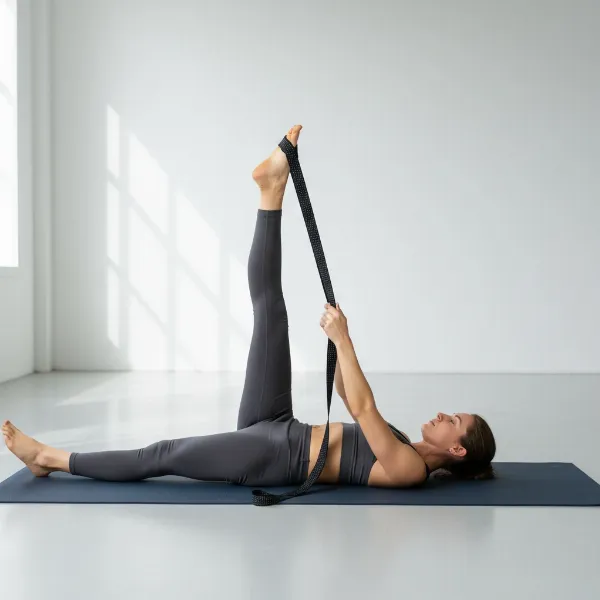
Few things are as disruptive to a mindful yoga practice as the sight and feel of your yoga mat flaking apart beneath you. What starts as a subtle shedding of tiny particles can quickly escalate into a persistent annoyance, compromising your grip, scattering debris across your studio floor, and leaving you questioning the lifespan of your beloved mat. This frustrating phenomenon isn’t just about aesthetics; it signals a deeper issue with your mat’s integrity. Understanding why your mat is flaking and, more importantly, how to effectively address and prevent it, is key to maintaining a safe, stable, and satisfying practice.
What is Yoga Mat Flaking?
Yoga mat flaking refers to the gradual disintegration of your mat’s surface, where small pieces of material break off, creating a gritty texture or visible dust. This shedding can manifest as tiny specks, crumbling edges, or even larger patches peeling away. It’s often an early indicator of material degradation, signifying that your mat is wearing out, reacting poorly to environmental factors, or being cared for improperly. Beyond the mess, a flaking mat can reduce traction, making certain poses feel less stable and potentially unsafe.
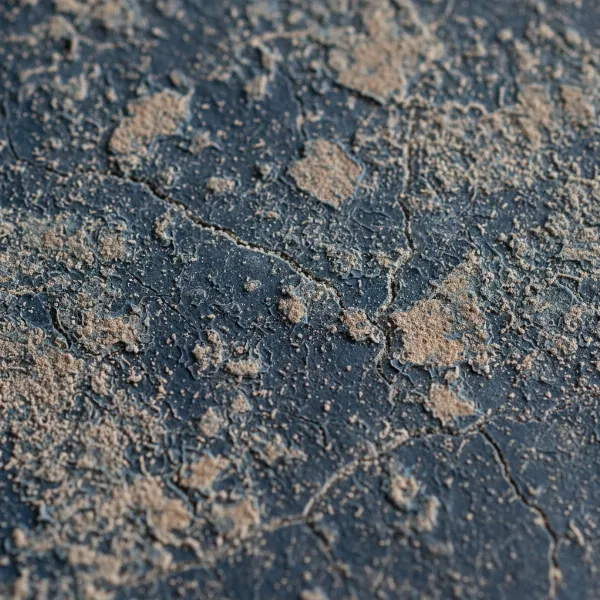 Close-up of a yoga mat surface with visible flaking and material degradation.
Common Causes Behind Yoga Mat Flaking
The deterioration of your yoga mat’s surface isn’t usually a single-factor problem. A combination of material type, environmental exposure, and care routines often contributes to this frustrating issue.
Material Degradation and Age
|
Our Picks for the Best Yoga Mat in 2026
As an Amazon Associate I earn from qualifying purchases.
|
||
| Num | Product | Action |
|---|---|---|
| 1 | Gruper Yoga Mat Non Slip, Eco Friendly Fitness Exercise Mat with Carrying Strap,Pro Yoga Mats for Women,Workout Mats for Home, Pilates and Floor Exercises |

|
| 2 | Amazon Basics 1/4 Inch Thick TPE Exercise Yoga Mat with Carrying Strap |
|
| 3 | Retrospec Solana Yoga Mat 1/2" Thick w/Nylon Strap for Men & Women - Non Slip Excercise Mat for Yoga, Pilates, Stretching, Floor & Fitness Workouts |
|
| 4 | Amazon Basics Extra Thick Exercise Yoga Mat with Carrying Strap |
|
| 5 | Retrospec Solana Yoga Mat 1" Thick w/Nylon Strap for Men & Women - Non Slip Exercise Mat for Home Yoga, Pilates, Stretching, Floor & Fitness Workouts |
|
| 6 | MICRODRY Deluxe Fitness Exercise Yoga Mat for Home & Gym, Extra Thick for High Impact Training, Multi Layered Skid Resistant Surface, Odor Neutralizing with Carrying Strap |
|
| 7 | CAP Barbell High Density Exercise Yoga Mat with strap, 68"x24"x 1/2" - Sage Green |
|
| 8 | Amazon Basics Extra Thick Exercise Yoga Mat with Carrying Strap |
|
| 9 | Retrospec Solana Yoga Mat 1" Thick w/Nylon Strap for Men & Women - Non Slip Exercise Mat for Home Yoga, Pilates, Stretching, Floor & Fitness Workouts |
|
| 10 | Amazon Basics Extra Thick Exercise Yoga Mat with Carrying Strap |
|
Different yoga mat materials degrade in distinct ways. Natural rubber mats, beloved for their superior grip and eco-friendliness, are prone to oxidization when exposed to air and sunlight, causing them to dry out, lose grip, and eventually crumble or flake. PVC (polyvinyl chloride) mats, while known for their durability, can also start peeling, especially if they are of lower quality or have been subjected to significant wear and tear over time. As any mat ages, the constant compression and release from your body weight, coupled with friction from hands and feet, gradually breaks down the material’s structural integrity, leading to shedding.
Improper Cleaning Practices
Ironically, efforts to keep your mat clean can sometimes contribute to its demise. Using harsh chemical cleaners, abrasive scrubbing tools, or household soaps not specifically designed for yoga mats can strip away protective layers, corrode the material, and accelerate flaking. Some mats, particularly those made of natural rubber or cheaper foam, are sensitive to excessive cleaning or being submerged in water. This can weaken the material bonds, causing it to become brittle and shed. Always check your mat’s specific cleaning instructions.
Incorrect Storage Conditions
How you store your yoga mat when not in use plays a crucial role in its longevity. Leaving your mat exposed to direct sunlight or in high-temperature environments, such as a hot car, can cause the material to dry out, become brittle, and crack or peel. For natural rubber mats, even indirect sunlight can trigger oxidization, leading to premature decomposition. Rolling your mat too tightly or creasing it repeatedly can also put stress on the material, especially along the edges and creases, leading to tears and flaking.
Heavy Use, Sweat, and Oils
Frequent and intense yoga practices, especially hot yoga, expose your mat to significant amounts of sweat and body oils. While many mats are designed to be absorbent or offer grip in humid conditions, the cumulative effect of these elements can break down mat materials over time. Furthermore, lotions, moisturizers, or essential oils applied to your skin before practice can transfer to the mat. These substances can create a slick film that not only reduces grip but can also interact with and degrade the mat’s material, contributing to flaking.
Preventing Flaking: A Comprehensive Guide
Maintaining your yoga mat is not just about cleanliness; it’s about preserving its structural integrity. By implementing a few key preventative measures, you can significantly extend your mat’s life and ensure a flake-free practice.
Choose the Right Mat Material
Investing in a high-quality yoga mat made from durable materials is your first line of defense against flaking.
- Natural Rubber: Offers excellent grip and is eco-friendly, but requires careful storage away from sunlight to prevent oxidization.
- PVC: Known for durability and ease of cleaning, but some lower-quality versions can flake. High-density PVC mats often last longer.
- TPE (Thermoplastic Elastomer): A good balance of eco-friendliness and performance, TPE mats are generally durable but might not have the extreme longevity of some high-end PVC or rubber options.
- Cork: Naturally antimicrobial and grippy, cork mats are sustainable and resistant to flaking, but may require more care to maintain their surface.
- Jute/Cotton: These natural fiber mats are breathable and offer a different kind of grip. While less prone to “flaking” in the same way synthetic mats do, they can show wear through fiber shedding if not cared for.
Consider your practice intensity and environmental preferences when selecting. Opting for a mat from a reputable brand known for material quality can make a significant difference.
Optimal Cleaning Practices
Regular and correct cleaning is paramount to preventing mat degradation.
- Use Gentle, Specialized Cleaners: Always use a yoga mat cleaner formulated for your mat’s specific material, or a simple DIY solution of water with a few drops of mild dish soap or white vinegar. Harsh chemicals are a definite no-go.
- Clean Regularly, But Not Excessively: For intense, sweaty practices, clean your mat after each session. For lighter, restorative sessions, cleaning every few uses might suffice. Excessive cleaning, especially with natural rubber or cheaper foam mats, can sometimes be detrimental.
- Wipe and Air Dry Thoroughly: After cleaning, wipe down your mat with a clean, damp cloth, ensuring no cleaning solution residue remains. Then, hang it or lay it flat in a shaded, well-ventilated area to air dry completely before rolling it up. Avoid direct sunlight, which can dry out and damage the material.
- Avoid Submerging: Many mats, particularly those made of natural rubber or with open-cell construction, should not be submerged in water or put in a washing machine, as this can cause the material to absorb too much water and degrade.
“The longevity of your yoga mat hinges on thoughtful care. A mat is an investment in your practice, and treating it with respect through proper cleaning and storage will repay you with years of reliable support.” – Sarah Chen, Certified Yoga Instructor and Mat Care Specialist
Smart Storage Solutions
Proper storage minimizes environmental damage and physical stress on your mat.
- Roll Loosely: When not in use, roll your mat loosely with the top surface facing outwards. This helps prevent the edges from curling and reduces stress on the material, especially if your mat has a “top” side designed for grip.
- Keep Away from Sun and Heat: Store your mat in a cool, dry place, away from direct sunlight, windows, or heat sources like radiators or car trunks. This protects the material from UV damage and excessive heat, both major contributors to degradation and flaking.
- Use a Mat Bag: A breathable yoga mat bag can protect your mat from dust, dirt, and minor abrasions during transport and storage, without trapping moisture.
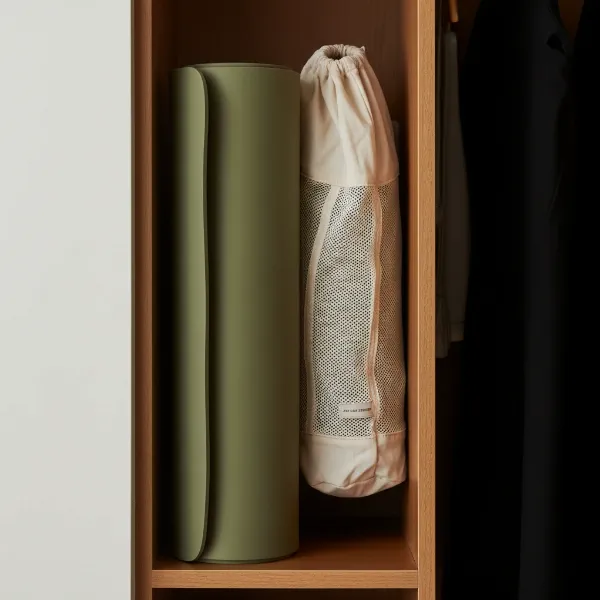 Rolled yoga mat placed in a cool, dry, and shaded storage area.
Daily Practice Habits
Small adjustments to your routine can have a big impact.
- Wash Hands and Feet: Before practice, quickly wash your hands and feet to remove any oils, lotions, or sweat buildup. This reduces the transfer of substances that can affect your mat’s surface and grip.
- Utilize a Yoga Towel: For particularly sweaty practices or if you naturally perspire a lot, lay a yoga towel over your mat. These absorbent towels not only enhance grip but also act as a barrier, protecting your mat from excessive sweat and oils that can accelerate wear.
- Break In New Mats: Some new mats, especially certain PVC types, come with a thin film that makes them initially slippery. Regular use will help wear this film down. For quicker results, you might try a gentle wash (if recommended by the manufacturer) or simply practice more frequently.
When It’s Time for a New Mat
Despite your best efforts, all yoga mats have a finite lifespan. Knowing when to retire your mat is crucial for maintaining a safe and effective practice.
- Significant Flaking or Tearing: If your mat is consistently flaking, crumbling, or developing large cracks or tears, its structural integrity is compromised. This not only makes practice uncomfortable but can also lead to instability and potential injury.
- Loss of Grip: When cleaning and conditioning no longer restore your mat’s grip, making it difficult to hold poses without slipping, it’s a clear sign that the material has degraded beyond repair.
- Unpleasant Odor: If a persistent, stale odor remains even after thorough cleaning, it could indicate deep bacterial buildup that can’t be removed, suggesting it’s time for a replacement.
- Compromised Cushioning: If your mat no longer provides adequate cushioning, leading to discomfort or pain in your joints during poses, it’s time to consider an upgrade.
When replacing your mat, explore eco-friendly and biodegradable options like natural rubber, cork, or TPE, contributing to a more sustainable yoga journey.
Conclusion
A flaking yoga mat is a common, yet entirely manageable, issue that can be traced back to material characteristics, environmental factors, and care routines. By understanding the causes, such as material degradation from sun exposure or the use of harsh cleaners, and implementing proactive measures, you can significantly extend your mat’s life. Choosing the right material for your practice, adopting optimal cleaning habits, storing your mat correctly, and integrating thoughtful daily practices are all crucial steps to keep your mat in pristine condition. Don’t let a deteriorating mat disrupt your flow; empower yourself with the knowledge to maintain your practice space and ensure every pose feels grounded and supported. What preventative measure will you adopt today to safeguard your yoga mat?
Frequently Asked Questions
Can I fix a flaking yoga mat?
Minor flaking might be slowed or stopped by adjusting your cleaning and storage habits, especially if it’s due to harsh chemicals or sun exposure. However, once a mat starts to significantly degrade, repair is usually not possible, and replacement is often the best solution for safety and performance.
Is it safe to use a yoga mat that is flaking?
Using a flaking yoga mat can be unsafe as the loss of material can reduce grip and stability, increasing your risk of slipping. Additionally, loose particles can be distracting and unhygienic. It’s best to replace a severely flaking mat.
How often should I replace my yoga mat?
The lifespan of a Yoga Mat varies greatly depending on its material, frequency of use, and care. High-quality mats used regularly might last 3-5 years or more, while cheaper mats might need replacing annually. Look for signs of wear, loss of grip, or persistent flaking as indicators.