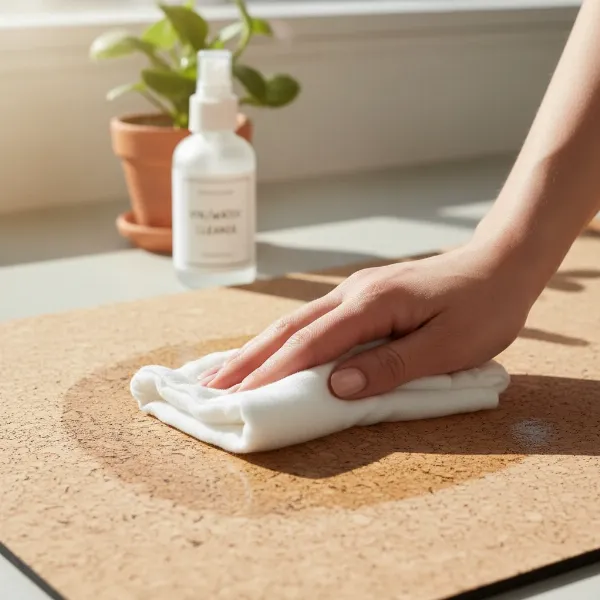
Stepping onto a brand-new yoga mat should feel like stepping into a realm of stability and focus. Instead, many new yogis and seasoned practitioners alike find themselves frustratingly slipping and sliding, turning a peaceful practice into a precarious balancing act. If your new yoga mat feels more like an ice rink than a reliable foundation, you’re not alone. This common issue can be disheartening, making advanced poses (and even basic ones) feel impossible and unsafe. But don’t fret; this isn’t a sign that you chose the wrong mat or that your practice is lacking. Often, a new yoga mat just needs a little breaking in to unlock its true gripping potential. We’ll explore why new mats often start slippery and, more importantly, equip you with proven methods to quickly transform your slick surface into a perfectly sticky sanctuary for your practice.
Why is Your New Yoga Mat Slippery? Uncovering the Causes
The perplexing slipperiness of a new yoga mat often stems from its manufacturing process. Most mats, particularly those made from PVC (polyvinyl chloride), are coated with a thin, protective release film. This invisible layer serves a crucial purpose in the factory, preventing the mat material from sticking to molds during production and to itself when rolled for packaging and shipping. While essential for manufacturing, this film creates a slick barrier that inhibits grip during your initial yoga sessions.
Beyond this manufacturing residue, the inherent properties of certain materials also play a role. Some mat types, like many PVC variations, can be inherently less grippy when brand new, requiring more usage to achieve optimal traction. Other factors, such as natural skin oils, lotions, or even excessive sweat, can exacerbate the initial slipperiness, creating an even more challenging surface for maintaining poses.
Understanding Yoga Mat Materials and Their Grip Dynamics
The material of your yoga mat significantly dictates its initial grip and how it will perform over time. Choosing the right material for your needs can prevent much of the frustration associated with a slippery new mat.
PVC Yoga Mats: Durable but Demanding a Break-In
|
Our Picks for the Best Yoga Mat in 2026
As an Amazon Associate I earn from qualifying purchases.
|
||
| Num | Product | Action |
|---|---|---|
| 1 | MICRODRY Deluxe Fitness Exercise Yoga Mat for Home & Gym, Extra Thick for High Impact Training, Multi Layered Skid Resistant Surface, Odor Neutralizing with Carrying Strap |

|
| 2 | Amazon Basics Extra Thick Exercise Yoga Mat with Carrying Strap |
|
| 3 | CAP Barbell High Density Exercise Yoga Mat with strap, 68"x24"x 1/2" - Sage Green |
|
| 4 | Amazon Basics Extra Thick Exercise Yoga Mat with Carrying Strap |
|
| 5 | Retrospec Solana Yoga Mat 1" Thick w/Nylon Strap for Men & Women - Non Slip Exercise Mat for Home Yoga, Pilates, Stretching, Floor & Fitness Workouts |
|
| 6 | Amazon Basics 1/4 Inch Thick TPE Exercise Yoga Mat with Carrying Strap |
|
| 7 | Retrospec Solana Yoga Mat 1" Thick w/Nylon Strap for Men & Women - Non Slip Exercise Mat for Home Yoga, Pilates, Stretching, Floor & Fitness Workouts |
|
| 8 | Amazon Basics Extra Thick Exercise Yoga Mat with Carrying Strap |
|
| 9 | Gruper Yoga Mat Non Slip, Eco Friendly Fitness Exercise Mat with Carrying Strap,Pro Yoga Mats for Women,Workout Mats for Home, Pilates and Floor Exercises |
|
| 10 | Retrospec Solana Yoga Mat 1/2" Thick w/Nylon Strap for Men & Women - Non Slip Excercise Mat for Yoga, Pilates, Stretching, Floor & Fitness Workouts |
|
PVC mats are renowned for their exceptional durability and longevity, often lasting for years. They are also typically easy to clean and provide good traction against the floor, preventing the mat itself from sliding. However, PVC is a non-absorbent material. This means that while it offers a stable base, it can become quite slippery when wet with sweat, especially during hot yoga or intense vinyasa flows. Most notably, PVC mats are the primary culprits for the “new mat slipperiness” due to the manufacturing film that needs to be worn off through use.
TPE Yoga Mats: Eco-Friendly with Good Traction
Thermoplastic Elastomer (TPE) mats offer a popular alternative, often marketed as more environmentally friendly than PVC. These mats generally provide good traction right out of the box, striking a balance between cushioning and firmness. They are typically lighter, making them convenient for transport to and from the studio. While TPE mats usually don’t have the same pronounced initial slipperiness as PVC, their durability might be slightly less than that of a high-quality PVC mat over many years of heavy use.
Natural Rubber Yoga Mats: Superior Grip from the Start
Natural rubber mats are frequently lauded for their immediate and superior grip. This material often performs exceptionally well, even in sweaty conditions, providing a secure, non-slip surface from your very first practice. They are also a sustainable, biodegradable option. The main downsides can be a distinct natural rubber smell (which usually dissipates over time), a higher price point, and a heavier weight compared to other materials. For yogis prioritizing immediate, reliable grip, natural rubber is often the top choice.
Other Materials: Jute, Cotton, and Cork
Materials like jute and cotton offer a more natural, textured surface that provides body traction, though they might not have the same floor grip as PVC or rubber. Cotton mats are soft and absorbent, suitable for restorative practices but can be less stable for dynamic flows. Cork mats offer excellent grip, especially when damp, and are highly sustainable. Each of these materials brings unique benefits, but understanding their inherent grip characteristics is key to managing initial slipperiness.
How to Break In Your New Yoga Mat Fast: Proven Methods
While the most organic way to break in a new yoga mat is simply to practice on it consistently, waiting for the manufacturing film to wear off can take weeks. Fortunately, there are several effective methods to accelerate this process, allowing you to enjoy a stable practice sooner.
The Power of Practice: Your Best Long-Term Solution
This is arguably the most fundamental and effective method, albeit not the fastest. Each time you step onto your mat, the friction from your hands, feet, and body against its surface gradually wears away the factory-applied film. The more you practice, especially through varied poses and movements, the quicker your mat will develop its natural grip. For many PVC mats, consistent daily practice can break in the mat within one to two weeks. If your mat is double-sided, focus your practice on one side initially to expedite the break-in for that surface.
The Salt Scrub Method: A Time-Honored Technique
The salt scrub is a widely recommended method for its effectiveness in removing the slick residue from new mats. This technique utilizes the abrasive qualities of salt to gently yet effectively strip away the surface film.
How to perform a salt scrub:
- Gather materials: You’ll need coarse sea salt (or Epsom salt), a spray bottle with water, a soft brush or sponge, and a damp cloth.
- Prepare the mat: Unroll your mat completely on a flat, clean surface.
- Apply salt: Generously sprinkle coarse sea salt evenly over the entire surface of your mat.
- Moisten: Lightly mist the salt with water from the spray bottle, just enough to dampen it without soaking the mat. The goal is to create a slightly gritty paste.
- Scrub (optional but effective): Gently rub the salt into the mat using a soft brush or sponge in circular motions. This helps to activate the abrasive action of the salt.
- Let it sit: Allow the salt to sit on the mat for 8 to 24 hours. Some recommend letting it dry completely.
- Rinse and wipe: Once the time is up, brush off the dry salt using a soft cloth or brush. Then, wipe the mat thoroughly with a damp cloth to remove any remaining salt residue. You can also rinse it under a showerhead or with a garden hose, ensuring all salt is removed.
- Dry completely: Hang your mat to air dry completely in a shaded, well-ventilated area before rolling it up or using it again. Repeat this process if necessary until the desired grip is achieved.
A Thorough Wash: Cleaning Off the Film
A simple wash can also significantly help in removing the manufacturing film.
How to wash your mat:
- Prepare a solution: Mix a few drops of mild dish soap or a specialized yoga mat cleaner with warm water in a spray bottle. Avoid harsh chemicals or abrasive cleaners, as these can damage the mat material.
- Spray and wipe: Lightly spray the entire mat surface with the cleaning solution.
- Scrub gently: Using a soft cloth or sponge, gently wipe down the mat, paying extra attention to areas where you commonly place your hands and feet.
- Rinse: Thoroughly rinse the mat with clean water to remove all soap residue. Leftover soap can make the mat even more slippery.
- Dry: Air dry your mat completely, preferably hanging it, out of direct sunlight.
Sunlight Exposure (with caution)
Some yogis find that leaving their mat unrolled outdoors in indirect sunlight for a few hours can help. The gentle warmth and UV exposure may contribute to breaking down the surface film. However, prolonged exposure to direct sunlight can fade colors and degrade certain mat materials, especially natural rubber, making them brittle. Use this method sparingly and always in the shade or for short periods.
Using a Yoga Towel: An Immediate Temporary Solution
If you need immediate grip and don’t have time for a full break-in process, a yoga towel is an excellent temporary solution. These towels are designed to lay over your mat and often feature silicone nubs on the underside to prevent slipping. Many are also highly absorbent, making them ideal for hot yoga or individuals who sweat profusely. While it doesn’t break in the mat itself, it provides a stable, grippy surface for your practice from day one.
Quick Fixes for On-the-Spot Slipperiness
Sometimes you just need to get through a class without sliding. Here are a few immediate adjustments:
- Dampen Slightly: For some mat materials (like cork or certain rubber blends), lightly misting your mat with water before practice can actually enhance grip. Test this discreetly, as it can worsen slipperiness on other materials like PVC.
- Adjust Your Stance: Focus on distributing your weight evenly and pressing firmly through your palms and the balls of your feet. Engaging your muscles more actively can sometimes compensate for a less-than-perfect grip.
- Grip Socks/Gloves: Specialized yoga socks and gloves with non-slip treads can provide immediate traction for your hands and feet, regardless of your mat’s surface.
Choosing a Mat for Optimal Grip from the Start
If you’re still in the market for a new mat and grip is your absolute top priority, consider investing in materials known for their inherent stickiness. Natural rubber mats, for example, are frequently praised for their immediate, reliable grip, often eliminating the need for extensive break-in rituals. Some high-quality TPE and polyurethane mats also offer excellent traction from the moment you unroll them. Reading reviews that specifically address “initial grip” or “slipperiness” can guide your choice towards a mat that suits your needs from day one.
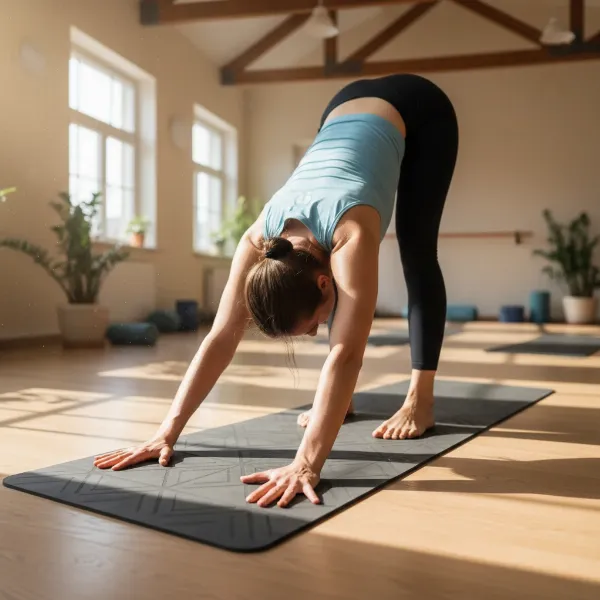 A person demonstrating a yoga pose on a yoga mat with good grip, showing confidence and stability in their practice, with natural light.
Maintaining Your Mat for Lasting Grip
Once your mat is properly broken in and offers the grip you desire, ongoing care is crucial to maintain its performance.
- Regular Cleaning: Sweat, skin oils, and dirt can accumulate on your mat, reducing its grip over time. Clean your mat regularly with a mild, mat-specific cleaner or a dilute solution of water and white vinegar or mild soap.
- Proper Drying: Always ensure your mat is completely dry before rolling it up or storing it. A damp mat can harbor bacteria and develop an unpleasant odor, potentially affecting its surface texture.
- Correct Storage: Store your mat rolled up and out of direct sunlight or extreme temperatures. This helps maintain its structural integrity and prevents it from becoming brittle or misshapen, which could impact its grip.
“A well-maintained yoga mat isn’t just about hygiene; it’s about preserving the integral connection between you and your practice. Its grip is your foundation.” – Sarah Chen, Certified Yoga Instructor
Conclusion
Encountering a slippery new yoga mat can be an unexpected challenge, but it’s a common hurdle easily overcome with the right approach. Whether it’s the protective film from manufacturing or the natural characteristics of the material, understanding the cause is the first step. By consistently practicing, applying a gentle salt scrub, or giving it a thorough wash, you can quickly break in your new yoga mat and transform its slick surface into a reliable foundation for your poses. For those seeking immediate grip, exploring natural rubber or high-performance TPE mats can be a game-changer. Remember, your mat is an extension of your practice; with a little care and attention, it will serve as a trusted partner, enhancing your stability and allowing you to deepen your connection to each pose. What small step will you take today to make your yoga mat truly yours?
Frequently Asked Questions
Is it normal for new yoga mats to be slippery?
Yes, it is very common for new yoga mats, especially those made from PVC, to have a thin, slippery film on their surface from the manufacturing process. This film needs to be worn off through use or other break-in methods to achieve optimal grip.
How long does it take to break in a new yoga mat?
The time it takes varies by mat material and how frequently you use it. For PVC mats, consistent daily practice can break them in within one to two weeks. Accelerated methods like a salt scrub can significantly speed up this process, often making a noticeable difference after just one treatment.
Can I use regular soap to clean my yoga mat?
It’s best to use a mild, gentle soap like diluted dish soap or a specialized yoga mat cleaner. Avoid harsh detergents or abrasive chemicals, as these can strip natural oils, damage the mat’s material, or leave residues that make it even more slippery. Always rinse thoroughly.
Does sweating make a new yoga mat less slippery?
While sweat can sometimes help to slightly ‘roughen up’ the surface over time, initially, sweat often makes a new, untreated yoga mat even more slippery because the manufacturing film combined with moisture creates a slick surface. For very sweaty practices, a yoga towel is recommended during the break-in period.
What’s the best yoga mat material for immediate grip?
Natural rubber Yoga Mats are widely recognized for offering excellent, immediate grip right out of the box, often performing well even in sweaty conditions without needing an extensive break-in period. Some high-quality TPE and polyurethane mats also provide reliable traction from the start.