In the evolving world of yoga, practitioners are increasingly seeking ways to align their practice with sustainable living. This extends beyond mindful movement to the very foundation of their practice: the yoga mat. While countless eco-friendly options exist, a truly unique and impactful choice is emerging from an unexpected source – recycled wetsuits. These innovative mats offer not just superior performance but also a powerful statement against waste, transforming discarded neoprene into a durable and grippy surface for your asanas.
Yoga Mat: More Than Just a Pad
A yoga mat is far more than a simple accessory; it’s a personal space that supports, grounds, and enhances your practice. A quality mat provides essential cushioning to protect your joints, ensures reliable grip to prevent slipping, and offers a clean, dedicated surface for your movements. The choice of material greatly influences these aspects, impacting everything from comfort to durability and, increasingly, environmental footprint. For many, a mat made from sustainable materials resonates deeply with the core principles of yoga itself, fostering a connection to both self and planet.
The Rise of Recycled Wetsuit Yoga Mats
The journey of a neoprene wetsuit typically ends in a landfill, where it can languish for hundreds of years due to its non-biodegradable nature. This poses a significant environmental challenge, especially with the high turnover of wetsuits in the surfing and diving communities. Recognizing this issue, pioneering brands have developed ingenious processes to transform these “petrochemical-based landfill clogging neoprene monsters” into highly functional yoga mats. This not only diverts waste but also breathes new life into a material renowned for its resilience.
The benefits of choosing a yoga mat made from recycled wetsuits are numerous and compelling. Firstly, the environmental impact is dramatically reduced by repurposing existing materials. Beyond sustainability, neoprene’s inherent properties make it an excellent material for yoga. Its closed-cell foam structure means these mats don’t absorb bacteria, sweat, or dirt, making them exceptionally hygienic and easy to clean. This feature also prevents the mat from becoming a sponge for odors. Furthermore, the natural tackiness and dense cushioning of recycled neoprene provide an unparalleled grip, whether dry or damp, and superb joint support. While some may find the textured surface and weight unique compared to traditional mats, these characteristics often translate into enhanced stability and a grounded feel during practice.
Leading Choices: Yoga Mats Made from Recycled Wetsuits
The market for yoga mats crafted from recycled wetsuits is a testament to innovation, with a few key players pioneering this eco-conscious segment. These brands stand out for their commitment to sustainability and for offering unique performance benefits derived from their repurposed materials. While the selection might be more niche than conventional mats, the quality and environmental statement they provide are exceptional.
SugaMat: The Pioneer of Wetsuit Reincarnation
|
Our Picks for the Best Yoga Mat in 2026
As an Amazon Associate I earn from qualifying purchases.
|
||
| Num | Product | Action |
|---|---|---|
| 1 | CAP Barbell High Density Exercise Yoga Mat with strap, 68"x24"x 1/2" - Sage Green |

|
| 2 | Amazon Basics 1/4 Inch Thick TPE Exercise Yoga Mat with Carrying Strap |
|
| 3 | Amazon Basics Extra Thick Exercise Yoga Mat with Carrying Strap |
|
| 4 | Amazon Basics Extra Thick Exercise Yoga Mat with Carrying Strap |
|
| 5 | Gruper Yoga Mat Non Slip, Eco Friendly Fitness Exercise Mat with Carrying Strap,Pro Yoga Mats for Women,Workout Mats for Home, Pilates and Floor Exercises |
|
| 6 | Retrospec Solana Yoga Mat 1/2" Thick w/Nylon Strap for Men & Women - Non Slip Excercise Mat for Yoga, Pilates, Stretching, Floor & Fitness Workouts |
|
| 7 | MICRODRY Deluxe Fitness Exercise Yoga Mat for Home & Gym, Extra Thick for High Impact Training, Multi Layered Skid Resistant Surface, Odor Neutralizing with Carrying Strap |
|
| 8 | Retrospec Solana Yoga Mat 1" Thick w/Nylon Strap for Men & Women - Non Slip Exercise Mat for Home Yoga, Pilates, Stretching, Floor & Fitness Workouts |
|
| 9 | Amazon Basics Extra Thick Exercise Yoga Mat with Carrying Strap |
|
| 10 | Retrospec Solana Yoga Mat 1" Thick w/Nylon Strap for Men & Women - Non Slip Exercise Mat for Home Yoga, Pilates, Stretching, Floor & Fitness Workouts |
|
SugaMat is arguably the most recognized name in the recycled wetsuit yoga mat space, having pioneered the concept. Originating from Encinitas, California, a hub for both surfing and yoga, SugaMat manufactures its premium quality mats entirely from 100% recycled neoprene wetsuits. The brand prides itself on its closed-loop system, not only creating mats from discarded wetsuits but also offering a “Cradle2Grave” (C2G) program, allowing customers to return their old SugaMats for recycling. This commitment ensures that their products have an extended life cycle, minimizing waste.
A SugaMat typically features a dense 5mm thickness, offering substantial cushioning that is particularly beneficial for sensitive joints and poses requiring extra support. The unique textured surface, often described as pebble-like or rougher than smooth mats, provides exceptional grip, performing reliably even in sweaty conditions without the need for a towel. This closed-cell foam construction also makes the mat highly hygienic, resisting the absorption of moisture and bacteria. While its density contributes to its supportive feel, it also means SugaMats can be heavier than some standard mats, weighing around 5 pounds.
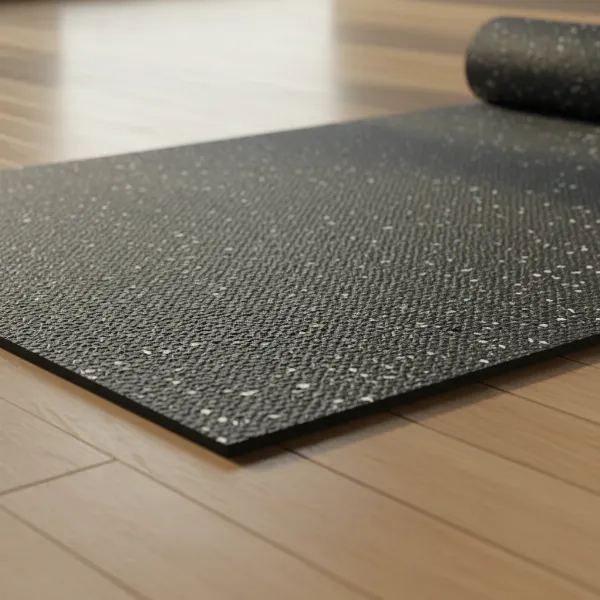 A SugaMat made from recycled wetsuits, showing its textured surface and eco-friendly design.
Pierre Sports Dolphin Yoga Mat: European Craftsmanship Meets Upcycling
From Europe, the Pierre Sports Dolphin Yoga Mat offers another compelling option, distinguishing itself with a blended material approach. This mat is crafted from 4mm of recycled neoprene sourced from old wetsuits, complemented by a 1mm layer of natural rubber. This thoughtful combination aims to enhance both durability and user experience, providing a 5mm total thickness for optimal comfort and joint protection. Each Dolphin mat is 100% made in Bulgaria, reflecting a commitment to local production and reduced carbon footprint through a mechanical recycling process.
The Dolphin mat is designed for versatility, featuring a dual-sided surface that allows practitioners to choose between the grippy, colorful recycled neoprene side and the sticky natural rubber side, depending on their preference and practice style. Its construction focuses on a great grip and a comfortable touch, making it suitable for various yoga forms. Weighing approximately 6 pounds and measuring 183cm x 65cm (about 72 x 25.5 inches), it provides ample space and stability. Pierre Sports collaborated with Circular Flow to achieve this circular design, ensuring that discarded wetsuits are fully reused.
Matuse x Lava Rubber Remade Yoga Mat: A Collaborative Innovation
The collaboration between Matuse, a wetsuit brand, and Lava Rubber, a specialist in recycling old wetsuits, brings us the REMADE YOGA MAT. This mat is constructed from recycled wetsuit rubber, turning what would otherwise be landfill material into a high-performance yoga accessory. Lava Rubber’s mission centers on transforming waste into valuable resources, offering sustainable solutions that benefit both people and the planet.
The REMADE YOGA MAT is praised for its cushy feel and stable, non-slip surface, ensuring it stays firmly in place during practice. With a thickness of 3mm, it provides a balance of cushioning and connection to the floor, suitable for those who prefer a slightly thinner mat without sacrificing comfort. Measuring 74″ x 24″, it offers a generous length and width, accommodating a wide range of body types. Users appreciate its reliable grip and the confidence it inspires, making it a favorite for maintaining focus throughout their yoga session.
Choosing Your Perfect Recycled Wetsuit Yoga Mat
Selecting the ideal yoga mat from recycled wetsuits involves considering several factors unique to this innovative material. Your personal practice style, preferences, and priorities will guide you toward the best choice.
Thickness for Comfort and Stability
The thickness of your mat plays a crucial role in comfort and protection. Recycled wetsuit mats are typically available in a range of thicknesses, often around 3mm to 5mm.
- 3mm mats (like the Matuse x Lava Rubber): Offer a closer connection to the floor and are often preferred by those who engage in dynamic, balance-focused practices. They are generally lighter and more portable.
- 5mm mats (like SugaMat or Pierre Sports Dolphin): Provide enhanced cushioning, which is excellent for practitioners with sensitive knees or joints, or those who prefer a softer landing in poses. This added thickness also offers greater insulation from cold floors.
Dimensions: Space to Stretch
Ensure your mat provides adequate space for your full range of motion. Generally, a mat should be at least 10cm longer than your height, allowing you to lie down comfortably without your head or feet touching the floor. Standard widths usually suffice, but if you have a broader stance or prefer extra room, check for wider options available from some brands.
Grip and Unique Texture
One of the standout features of recycled wetsuit mats is their exceptional grip, often due to the natural tackiness and textured surface of neoprene. While this grip is highly effective, the texture can feel different from traditional smooth rubber or PVC mats. Some describe it as having a slight “roughness” or “pebble” feel. It’s crucial to consider if this unique tactile experience aligns with your preferences, as it significantly contributes to stability, especially in sweaty conditions.
Sustainability Commitment
Beyond the act of recycling wetsuits, investigate the brand’s broader commitment to sustainability. Look for initiatives like closed-loop recycling programs (e.g., SugaMat’s C2G), local manufacturing, and partnerships with environmental organizations (e.g., 1% for the Planet). These details affirm a company’s dedication to eco-conscious practices beyond just the material source.
Price: An Investment in Practice and Planet
Recycled wetsuit yoga mats typically fall into the mid to high-end price range for yoga mats. This reflects the specialized recycling processes, quality materials, and often the ethical manufacturing practices involved. Consider it an investment in a durable, high-performing tool for your practice and a tangible contribution to environmental stewardship.
Caring for Your Recycled Wetsuit Mat
Maintaining your recycled wetsuit yoga mat is straightforward, contributing to its longevity and hygienic properties. Due to their closed-cell nature, these mats are generally easier to clean than porous alternatives.
After each practice, especially if you’ve sweated, simply wipe down your mat with a damp cloth. For a deeper clean, use a mild soap solution (like diluted dish soap) or a specialized mat cleaner. Gently scrub the surface, then wipe thoroughly with a clean, damp cloth to remove any residue. Allow your mat to air dry completely in a shaded, well-ventilated area before rolling it up. Avoid direct sunlight or excessive heat, as prolonged exposure can degrade the material over time. When storing, roll your mat loosely rather than folding it to prevent creases and preserve its shape.
Conclusion
Choosing a yoga mat made from recycled wetsuits is a powerful step towards a more sustainable practice, offering a unique blend of environmental responsibility and high-performance functionality. By transforming discarded neoprene, these mats provide exceptional grip, dense cushioning, and superior hygiene, all while diverting significant waste from landfills. Brands like SugaMat, Pierre Sports, and the Matuse x Lava Rubber collaboration exemplify this innovative approach, demonstrating that eco-consciousness doesn’t mean compromising on quality. As you deepen your yoga journey, consider embracing a mat that not only supports your body but also honors your commitment to a healthier planet. Isn’t it time your yoga practice extended its positive impact beyond yourself?
Frequently Asked Questions
What makes a recycled wetsuit yoga mat different from other eco-friendly mats?
Recycled wetsuit yoga mats stand out because they utilize repurposed neoprene from discarded wetsuits, a material that is otherwise difficult to recycle and contributes to landfill waste. Unlike natural rubber, cork, or jute mats, neoprene offers a unique closed-cell foam structure for superior hygiene and a distinct, firm grip, especially in wet conditions.
Are recycled wetsuit yoga mats truly 100% sustainable?
While they make a significant positive impact by diverting waste, the “100% sustainable” claim depends on various factors including the energy used in recycling and manufacturing, and the mat’s end-of-life options. Brands like SugaMat strive for a closed-loop system, offering programs to recycle old mats, moving closer to full circularity.
Do recycled wetsuit mats have a specific odor?
Initially, some recycled wetsuit mats may have a faint odor characteristic of neoprene or the recycling process. However, this typically dissipates quickly with use and airing. Their closed-cell nature helps prevent them from absorbing odors from sweat and dirt over time, which can be a common issue with other mat materials.
How do recycled wetsuit mats perform in hot yoga classes?
Recycled wetsuit mats excel in hot yoga environments. The neoprene material offers exceptional grip that often improves with moisture, meaning you’re less likely to slip even during the sweatiest sessions. Their closed-cell structure also prevents them from absorbing sweat and bacteria, making them a hygienic choice for intense practices.
Can I donate my old wetsuit to be recycled into a yoga mat?
Yes, some pioneering brands like SugaMat have established programs where you can send in your old neoprene wetsuits for recycling. This not only helps divert waste but often provides a discount on a new recycled wetsuit Yoga Mat, directly engaging consumers in the circular economy. Check with individual brands for their specific recycling initiatives.