Finding the perfect yoga mat can feel like searching for a needle in a haystack, especially when your practice heats up. Are you tired of slipping and sliding during intense hot yoga sessions, constantly adjusting your hands and feet instead of deepening your poses? For many dedicated yogis, a reliable mat with exceptional grip, especially in sweaty conditions, is not just a preference—it’s a necessity. This comprehensive review dives deep into the Lululemon The Mat 5mm, exploring its design, performance, and whether it truly delivers the ultimate grip required for hot yoga and beyond.
What is a Yoga Mat? Why Is It Essential?
A yoga mat is far more than just a piece of padded material; it’s a foundational tool for your practice, providing a dedicated space for stability, cushioning, and hygiene. Its primary role is to prevent slipping, allowing you to hold poses with confidence and transition smoothly without fear of injury. A good quality yoga mat offers crucial support for your joints, protecting your knees, wrists, and spine during various asanas. Furthermore, it creates a personal, clean surface, separating you from the studio floor and enhancing your focus. Without a proper mat, your practice can become distracted, uncomfortable, and even unsafe.
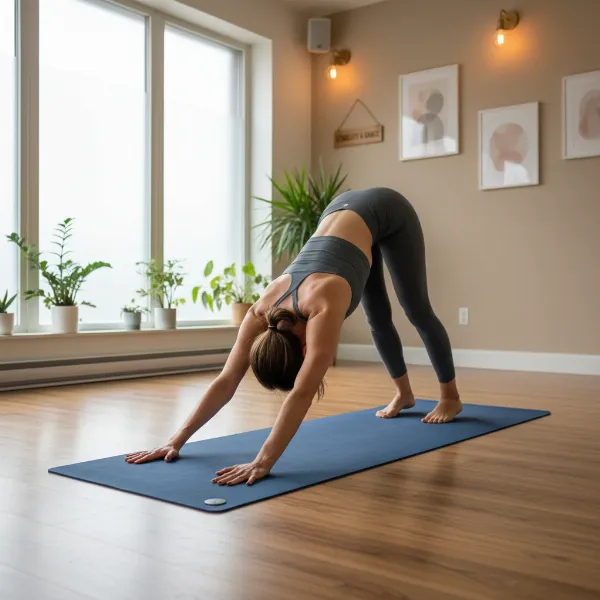 A person performing a yoga pose on a mat, demonstrating stability, cushioning, and focus.
Popular Yoga Mat Types: Detailed Comparison
The market is flooded with various yoga mat materials, each offering unique benefits and drawbacks. Understanding these differences is key to choosing a mat that aligns with your practice style and personal values.
- PVC Yoga Mat: Known for its affordability and durability, PVC (polyvinyl chloride) mats are common. They offer decent grip and are easy to clean. However, they are not biodegradable and can contain phthalates, raising environmental and health concerns. They might lack sufficient grip for very sweaty practices.
- TPE Yoga Mat: Thermoplastic Elastomer (TPE) mats are a more eco-friendly alternative to PVC. They are recyclable, free of latex and PVC, and often lighter. TPE mats offer good cushioning and grip, making them suitable for regular yoga. Their durability can vary, and they might not be as long-lasting as some natural rubber options.
- Natural Rubber Yoga Mat: Praised for their exceptional grip and eco-conscious composition, natural rubber mats are a favorite among serious yogis. They are highly sustainable and provide excellent traction, especially as they absorb moisture. However, they can be heavier, may have an initial rubbery smell, and are not suitable for individuals with latex allergies. The Lululemon The Mat 5mm predominantly features natural rubber.
- Jute Yoga Mat: Made from the natural fibers of the jute plant, these mats are biodegradable and offer a rustic, earthy feel. They provide good texture for grip and can be quite durable. Jute mats can sometimes feel rougher on the skin and might require more effort to clean compared to smoother materials.
- Cotton Yoga Mat: Often used as overlays or for specific restorative practices, cotton mats are soft and absorbent. They are excellent for soaking up sweat and can provide a comfortable, natural surface. However, they typically offer very little grip on their own and are less supportive, often needing to be paired with another mat or used for very gentle, non-slip practices like restorative yoga or meditation.
Comparison Table: Unraveling Yoga Mat Materials
|
Our Picks for the Best Yoga Mat in 2026
As an Amazon Associate I earn from qualifying purchases.
|
||
| Num | Product | Action |
|---|---|---|
| 1 | CAP Barbell High Density Exercise Yoga Mat with strap, 68"x24"x 1/2" - Sage Green |

|
| 2 | Amazon Basics Extra Thick Exercise Yoga Mat with Carrying Strap |
|
| 3 | Amazon Basics Extra Thick Exercise Yoga Mat with Carrying Strap |
|
| 4 | Gruper Yoga Mat Non Slip, Eco Friendly Fitness Exercise Mat with Carrying Strap,Pro Yoga Mats for Women,Workout Mats for Home, Pilates and Floor Exercises |
|
| 5 | Amazon Basics Extra Thick Exercise Yoga Mat with Carrying Strap |
|
| 6 | Retrospec Solana Yoga Mat 1" Thick w/Nylon Strap for Men & Women - Non Slip Exercise Mat for Home Yoga, Pilates, Stretching, Floor & Fitness Workouts |
|
| 7 | MICRODRY Deluxe Fitness Exercise Yoga Mat for Home & Gym, Extra Thick for High Impact Training, Multi Layered Skid Resistant Surface, Odor Neutralizing with Carrying Strap |
|
| 8 | Amazon Basics 1/4 Inch Thick TPE Exercise Yoga Mat with Carrying Strap |
|
| 9 | Retrospec Solana Yoga Mat 1/2" Thick w/Nylon Strap for Men & Women - Non Slip Excercise Mat for Yoga, Pilates, Stretching, Floor & Fitness Workouts |
|
| 10 | Retrospec Solana Yoga Mat 1" Thick w/Nylon Strap for Men & Women - Non Slip Exercise Mat for Home Yoga, Pilates, Stretching, Floor & Fitness Workouts |
|
| Material | Advantages | Disadvantages | Grip | Durability | Price | Best Suited For |
|---|---|---|---|---|---|---|
| PVC | Affordable, easy to clean, durable | Not eco-friendly, contains phthalates | Medium | High | Low | Beginners, budget-conscious individuals |
| TPE | Eco-friendly, lightweight, good cushioning | Moderate durability, less grippy when very wet | Good | Medium | Medium | Regular practitioners, eco-conscious buyers |
| Natural Rubber | Exceptional grip (especially when wet), eco-friendly | Heavier, initial smell, contains latex, can stain | Very Good | High | High | Hot yoga, intensive practices, professionals |
| Jute | Eco-friendly, durable, textured grip | Can be rough, harder to clean | Medium | High | Medium | Natural product lovers, less intense practices |
| Cotton | Soft, highly absorbent, natural | Low grip, low support, needs frequent washing | Low | Low | Low | Restorative yoga, meditation, mat overlay |
Lululemon The Mat 5mm: An In-Depth Review
The Lululemon The Mat 5mm stands out as a highly popular choice, particularly among hot yoga enthusiasts. It is engineered with a focus on providing superior grip and stability, even in the sweatiest conditions.
This mat features a dual-sided design: one side is smooth polyurethane, and the other is a textured natural rubber base. The 5mm thickness strikes an excellent balance, offering ample cushioning for joint protection without compromising stability. Users frequently report that the mat’s open-cell design effectively absorbs moisture, and remarkably, its grip improves as you sweat, making it ideal for hot yoga. The antimicrobial additive in the natural rubber also helps prevent bacteria and odors, a significant plus for frequent and intense practices.
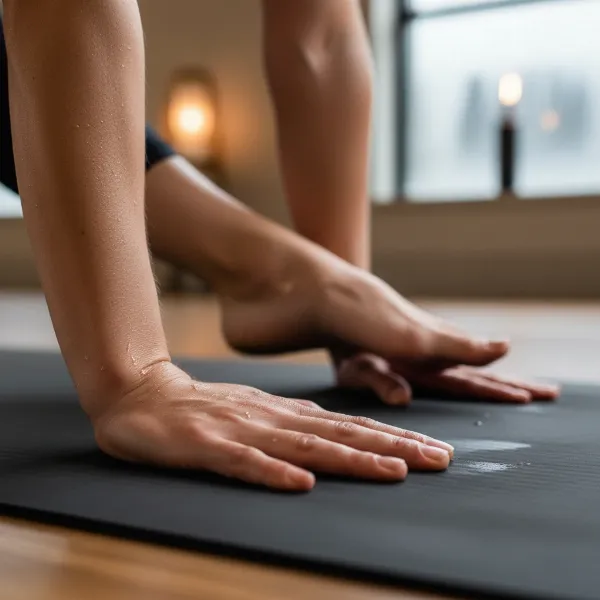 A person performing a demanding hot yoga pose on a Lululemon 5mm mat, showcasing exceptional wet grip.
However, it’s not without its considerations. At approximately 5-6 pounds (2.3-2.7 kg), it’s heavier than many standard mats, making it less ideal for daily commuting or travel. The polyurethane side, while smooth and grippy, is known to scratch and show stains more easily than the darker, textured rubber side. An initial rubber smell is also common upon unboxing, though it typically dissipates after a few days of airing out. Furthermore, being made with natural rubber, it contains latex, which is an important consideration for those with allergies. Despite these minor drawbacks, its performance in high-sweat environments and its comfortable support often justify its premium price tag for dedicated practitioners.
“The Lululemon Reversible 5mm Yoga Mat lives up to the hype: Resilient, sweatproof with superb grip, it’s built to last a lifetime for beginners to pros.” – Live Science Review, Maddy Biddulph
Choosing the Perfect Yoga Mat: A Detailed Guide
Selecting the right yoga mat is a personal decision that can significantly impact your practice. Here’s what to consider:
- Thickness:
- 3-4mm: Offers closer contact with the floor, which some practitioners prefer for balance-focused styles. Provides less cushioning.
- 5-6mm: A versatile sweet spot, like the Lululemon The Mat 5mm. It provides excellent cushioning for joint protection while maintaining good stability. Ideal for various styles, including dynamic and restorative practices.
- Above 6mm: Best for those needing maximum comfort or with sensitive joints. Can sometimes reduce stability for standing poses.
- Size: Your mat should be at least 6 inches longer than your height to ensure you can fully extend your limbs within its boundaries. Standard mats are usually 68-71 inches long and 24 inches wide. The Lululemon The Mat is slightly wider at 26 inches, which can be a boon for practitioners with a wider wingspan or those who appreciate more space.
- Grip: This is paramount. Look for mats that explicitly state “non-slip” or “high-traction.” For hot yoga, a mat that becomes grippier with sweat (like the Lululemon mat) is a game-changer.
- Material: Revisit the comparison table above. Natural rubber and TPE are popular for their balance of grip, comfort, and eco-friendliness. If you have a latex allergy, avoid natural rubber mats.
- Price: Yoga mats range widely in price. Determine your budget, but consider it an investment in your practice. Higher-priced mats often offer superior durability, grip, and eco-friendly materials.
Tips for Cleaning and Storing Your Yoga Mat
Proper care extends your mat’s lifespan and maintains its performance and hygiene.
- Regular Cleaning: After every practice, especially hot yoga, wipe down your Lululemon The Mat 5mm with a gentle soap and water solution or a specialized yoga mat cleaner. This removes sweat, oils, and dirt that can accumulate and degrade the mat’s surface or grip over time.
- Deep Cleaning: For open-cell mats like The Mat, which absorb moisture, a regular deep clean (every few weeks) is recommended. Submerge it in a bath with mild soap, scrub gently, rinse thoroughly, and then air dry completely.
- Drying: Always air dry your mat in a shaded, well-ventilated area. Direct sunlight can degrade the natural rubber and polyurethane, shortening its lifespan.
- Storage: Roll your mat tightly with the grippier side (usually the top surface) facing outwards to prevent the edges from curling. Store it in a cool, dry place, away from extreme temperatures and direct sunlight. Avoid folding it, as this can create creases and compromise its integrity.
Top Yoga Mats Today
While the Lululemon The Mat 5mm is a standout, especially for hot yoga, other excellent options cater to diverse needs.
- Lululemon The Mat 5mm: As reviewed, this mat is highly recommended for hot yoga due to its superior wet grip, good cushioning, and antimicrobial properties. Its reversible design offers versatility.
- Alo Yoga Warrior Mat: This mat is also praised for its exceptional non-slip grip, even in wet conditions, and luxurious feel. It offers robust cushioning and is made from ethically sourced natural rubber.
- Manduka PRO Mat: Known for its legendary durability and dense cushioning, the Manduka PRO provides excellent support and a lifetime guarantee. Its closed-cell surface is hygienic and easy to clean, though some users find it can be slippery when dry and prefer to “break it in” or use a towel for hot yoga.
Where to Buy Reliable Yoga Mats
Investing in a quality yoga mat is crucial, so purchase from reputable sources.
- Brand Websites: Buying directly from Lululemon or other established brands ensures authenticity and often comes with warranties or return policies.
- Specialty Yoga Stores: These stores often have knowledgeable staff who can offer personalized recommendations and allow you to feel the mats in person.
- Reputable Online Retailers: Websites like Amazon, Live Science (which provides links to Amazon for products they review), and Outdoor Gear Lab (which also links to retailers) offer a wide selection, but always check seller ratings and product reviews to ensure you’re getting an authentic product.
- Avoid: Be wary of unusually low prices on unverified sites, as these may indicate counterfeit or low-quality products.
Buying Guide
To help you make the best choice, consider these personal factors:
- Budget: While a quality mat can be a significant investment, it often pays off in durability and enhanced practice. Determine what you’re willing to spend, keeping in mind the long-term value.
- Frequency of Practice: If you practice daily or multiple times a week, a more durable and high-performance mat like the Lululemon The Mat 5mm is a worthwhile investment. Casual practitioners might find a less expensive option sufficient.
- Type of Yoga:
- Hot Yoga/Vinyasa: Prioritize superior grip, especially when wet, and moisture-absorbing properties.
- Hatha/Restorative: Cushioning and comfort might be higher priorities.
- Power/Ashtanga: Durability and stability are key.
- Personal Factors: Consider any allergies (like latex), personal preference for texture (smooth vs. textured), color aesthetics, and environmental concerns (opting for eco-friendly materials).
Conclusion
The Lululemon The Mat 5mm genuinely stands out as a top contender for those seeking an exceptional Yoga Mat, particularly in demanding conditions like hot yoga. Its unique ability to become grippier with sweat, combined with its comfortable 5mm cushioning and antimicrobial properties, makes it a reliable companion for a dedicated practice. While its weight and tendency to show stains on one side are minor considerations, its overall performance, durability, and support make it a worthwhile investment for both beginners and seasoned yogis aiming to deepen their practice with confidence. Have you found that a truly grippy mat transforms your yoga experience, allowing you to focus purely on your breath and movement?
Frequently Asked Questions
Is the Lululemon The Mat 5mm truly non-slip for hot yoga?
Yes, the Lululemon The Mat 5mm is widely praised for its exceptional non-slip grip, especially during hot yoga. Its open-cell, polyurethane top layer is designed to absorb moisture and becomes grippier as you sweat, providing reliable traction even in the sweatiest sessions.
How do I clean my Lululemon The Mat 5mm without damaging it?
For daily cleaning, wipe the mat with a mixture of gentle soap and water or a specialized mat cleaner after each use. For deep cleaning, periodically submerge it in a bath with mild soap, rinse thoroughly, and air dry in a shaded area. Avoid harsh chemicals and direct sunlight.
Does the Lululemon The Mat 5mm have a strong smell?
Upon unboxing, the Lululemon The Mat 5mm, due to its natural rubber base, may emit an initial rubbery odor. This smell typically dissipates within a few days when the mat is left unrolled and aired out in a well-ventilated space.
Is the Lululemon The Mat 5mm durable enough for frequent use?
Yes, the Lululemon The Mat 5mm is designed for resilience and frequent use. Many practitioners report that it holds up well to regular practice, with some users noting its longevity for 4-6 years. However, the polyurethane side can show scratches and stains over time.
Is the Lululemon The Mat 5mm suitable for people with latex allergies?
No, the Lululemon The Mat 5mm contains natural rubber in its composition, which means it contains latex. Individuals with latex allergies should avoid this mat and opt for latex-free alternatives like TPE or PVC mats.