Finding the right yoga mat can feel like a quest. It’s the one piece of equipment that’s truly non-negotiable, your personal space on which your entire practice unfolds. We’ve all been there—slipping in Downward Dog, knees aching in a low lunge, or distracted by a mat that just doesn’t feel right. This is where a proper Jade Harmony Yoga Mat Review becomes essential. This mat has achieved an almost legendary status in the yoga community for its grip and eco-credentials. But does it live up to the hype? And more importantly, is it the right mat for you? As your guide at Yoga Mat Go, I’ve practiced on countless surfaces, and today, we’re taking a no-nonsense, deep dive into one of the most popular mats on the market. Let’s roll it out and see what it’s really made of.
First Impressions: What to Expect When You Unbox
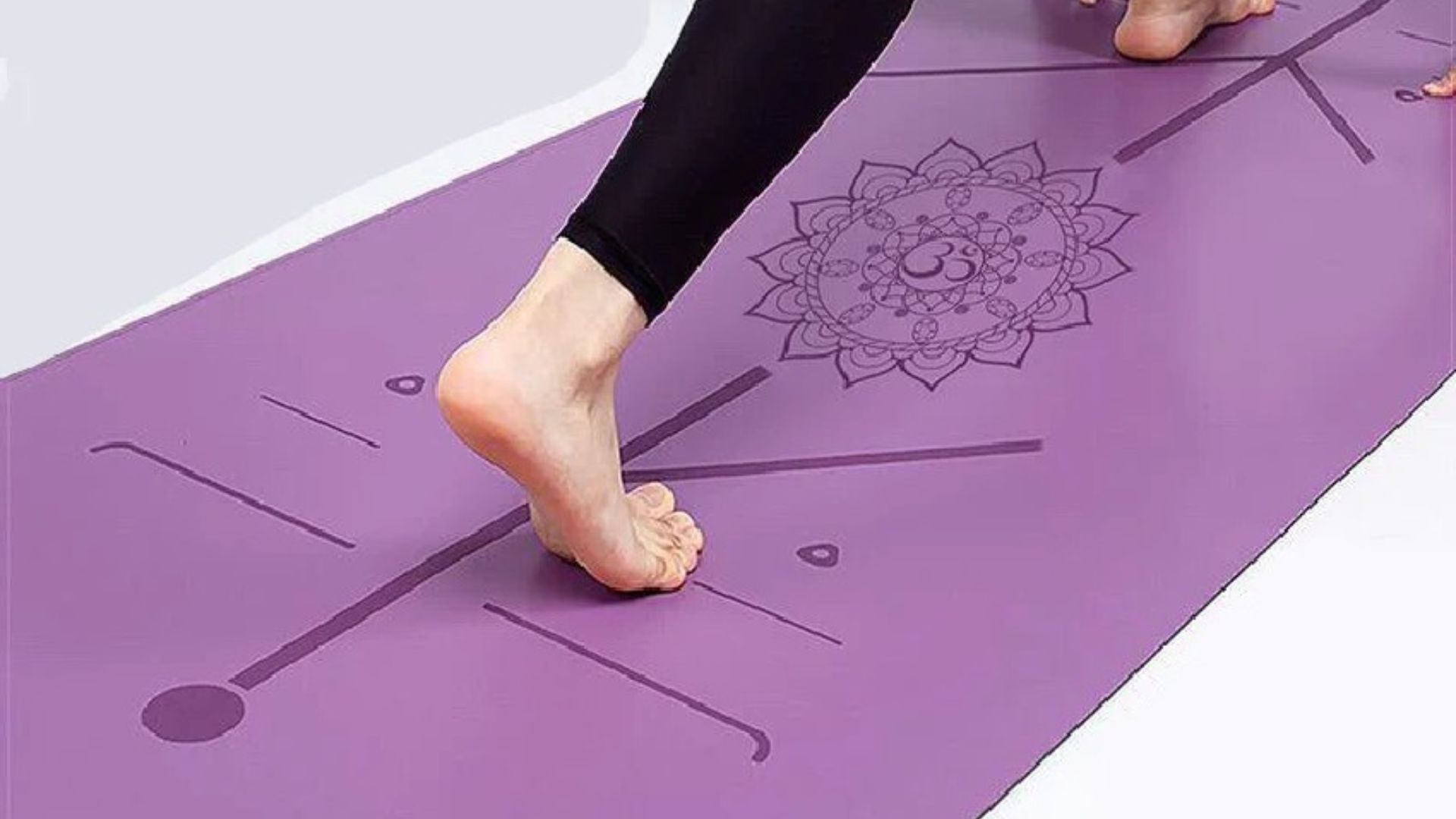
The moment you unroll a brand-new Jade Harmony mat, two things strike you immediately: the texture and the smell. Unlike the smooth, almost plastic-like feel of many PVC mats, the Jade Harmony has a slightly porous, grippy surface right out of the box. It feels organic and substantial. You can tell it’s made from a natural material.
And then there’s the smell. Let’s be real—it has a distinct rubbery odor. This isn’t a chemical smell, but the earthy scent of natural rubber. For some, it’s a bit strong initially, but I can personally attest that it fades significantly after a week or two of airing it out and a few practice sessions. Think of it as the “new car smell” for a serious yoga mat; it’s a sign of its natural origins.
Bảng trống.The Legendary Grip: Does It Really Prevent Slipping?
The short answer? Yes. Absolutely. The grip is the number one reason yogis fall in love with the Jade Harmony. It’s made from open-cell natural rubber, which acts almost like a sponge.
Think of it this way: a typical PVC mat has a closed-cell surface. When you sweat, the moisture sits on top, creating a slippery film between your hands and the mat. It’s like trying to get traction on a wet kitchen floor. The Jade Harmony’s open-cell structure, however, absorbs a small amount of moisture, allowing your hands and feet to maintain direct contact and a firm grip, even during a hot, sweaty Vinyasa flow. I’ve held a three-legged dog in a 95-degree room on this mat without my hands budging an inch. That level of stability is a game-changer, allowing you to focus on your alignment and breath instead of worrying about a potential face-plant.
“A reliable grip is the foundation of a confident practice. When you trust your mat, you’re free to explore deeper expressions of poses without hesitation.” – Elena Reyes, Certified Vinyasa Instructor
A Closer Look at the Material: Natural Rubber and Sustainability
What exactly makes this mat so special? It boils down to one key ingredient: natural rubber. Unlike synthetic rubbers or plastics like PVC and TPE, natural rubber is a renewable resource tapped from rubber trees.
Here’s a quick breakdown of what this means for your practice and the planet:
- Eco-Friendly: The Jade Harmony is made sustainably in the US with natural rubber. It contains no PVCs, phthalates, or other heavy metals. This is a huge plus for anyone conscious of their environmental footprint.
- Performance: Natural rubber offers unparalleled grip and a pleasant, grounded feel. It has a density that provides both comfort and stability.
- Partnership: JadeYoga has a well-known partnership with Trees for the Future, planting a tree for every mat sold. This adds an extra layer of feel-good to your purchase.
However, there are a couple of things to be aware of with natural rubber:
- Latex Allergy: Since it’s a tree-derived product, those with latex allergies should avoid this mat.
- Weight: Natural rubber is denser and heavier than its TPE or PVC counterparts. A standard Jade Harmony mat weighs around 5 pounds, so it’s not the most lightweight option for frequent travelers.
The Perfect Balance: Cushion vs. Stability
The standard Jade Harmony mat is 3/16″ (about 4.7mm) thick. This is often considered the “sweet spot” for an all-around practice.
Why this thickness works
It’s thick enough to provide adequate cushioning for your joints—think knees in Cat-Cow or elbows in a forearm plank. I’ve found it protects my bony knees far better than thinner travel mats. Yet, it’s not so thick and squishy that it compromises your stability in standing or balancing poses like Tree Pose or Warrior III. You feel connected to the ground, which is crucial for proprioception (your body’s awareness of its position in space).
If you need more cushion due to sensitive joints, Jade does offer the Fusion mat (5/16″ or 8mm). Conversely, for those who prioritize portability, the Travel (1/8″) and ultralight Voyager (1/16″) mats are great options, though you will sacrifice cushion. For most people, most of the time, the Harmony hits the perfect middle ground.
How to Clean Your Jade Harmony Yoga Mat
Proper care is essential to extend the life of a natural rubber mat. Because of its open-cell structure, it can absorb oils and dirt more readily than a closed-cell mat. But don’t worry, cleaning is straightforward.
- Regular Wipes: After a sweaty practice, a simple wipe-down with a damp cloth using plain water is often enough.
- Deeper Cleaning: For a deeper clean, use a specially formulated natural rubber mat wash or a heavily diluted solution of water and white vinegar (about a 1:20 ratio of vinegar to water).
- Wipe, Don’t Soak: Gently wipe the mat with a soft cloth. Never submerge or soak your Jade mat in water, as this can cause the natural rubber to break down.
- Air Dry Completely: Hang the mat to dry in a well-ventilated area. Crucially, keep it out of direct sunlight. UV exposure is the enemy of natural rubber and will cause it to dry out, become brittle, and lose its color and grip.
Who Is This Mat For? (And Who Should Look Elsewhere?)
Let’s summarize. After a thorough Jade Harmony yoga mat review, it’s clear this mat is a fantastic choice for many, but not for everyone.
This mat is a dream come true for:
- The Sweaty Yogi: If you slip and slide on other mats, the Jade Harmony’s grip will revolutionize your practice. It’s a top choice for Vinyasa, Ashtanga, Power Yoga, and hot yoga.
- The Eco-Conscious Practitioner: If sustainability and natural materials are a priority for you, this mat aligns perfectly with those values.
- The Serious Yogi: For those practicing multiple times a week, investing in a high-performance mat like the Jade Harmony provides the durability and reliability needed for a consistent practice.
You might want to consider other options if:
- You have a latex allergy. This is a non-negotiable.
- You are on a tight budget. The Jade Harmony is a premium mat with a price tag to match. While it’s a worthy investment, there are more budget-friendly beginner options available.
- You travel frequently and need an ultra-lightweight mat. While the Travel version exists, the flagship Harmony mat is a bit heavy to be carrying around constantly.
Jade Harmony Mat: Pros vs. Cons
| Pros | Cons |
|---|---|
| Unbeatable non-slip grip, even when wet | Strong initial rubber smell |
| Made from sustainable, natural rubber | Heavier than PVC or TPE mats |
| Excellent balance of cushion and stability | Requires specific care (no sun exposure) |
| PVC-free and eco-friendly | Not suitable for those with latex allergies |
| Made in the USA | Higher price point |
Frequently Asked Questions (FAQ)
Is the Jade Harmony Yoga Mat Good for hot yoga?
Yes, it’s one of the best mats for hot yoga due to its incredible open-cell grip that performs exceptionally well with sweat. You may not even need a yoga towel, though some practitioners still prefer to use one for very heavy sweating.
Does the rubber smell of the Jade Harmony mat go away?
Yes, the natural rubber smell dissipates significantly over the first one to two weeks of use. Airing it out in a well-ventilated room (but out of the sun) when you first get it will help speed up the process.
How long does a Jade Harmony mat last?
With proper care, a Jade Harmony mat can last for several years of regular practice. It’s a durable mat, but being a natural material, it will show signs of wear over time, such as slight discoloration where your hands and feet go. This is normal and a sign of a well-loved mat.
What’s the difference between the Jade Harmony and the Manduka PRO?
This is a classic debate! The main difference is the material. The Jade Harmony is open-cell natural rubber (absorbent, grippy from day one). The Manduka PRO is closed-cell PVC (extremely durable, needs a break-in period to become grippy, very easy to clean). The choice often comes down to prioritizing out-of-the-box grip (Jade) vs. lifetime durability (Manduka).
Is the Jade Harmony mat worth the money?
For serious practitioners who value grip and sustainability, the answer is a resounding yes. The confidence and stability it provides can transform your practice, making it a worthwhile investment in your yoga journey.
The Final Verdict
After this extensive Jade Harmony yoga mat review, it’s easy to see why it’s a favorite in so many yoga shalas. It delivers on its promise of unparalleled grip, providing a secure and stable foundation that lets you push your practice forward with confidence. Its commitment to sustainability is more than just a marketing point; it’s baked into the very material of the mat.
While it has its quirks—the initial smell, the weight, and the need for mindful care—its performance benefits far outweigh them for the dedicated yogi. If you’re tired of slipping and are ready to invest in a high-quality, eco-friendly surface that will support you through countless sun salutations, the Jade Harmony is, without a doubt, one of the best choices you can make.