For many, the trail offers more than just scenic views; it’s a sanctuary, a moving meditation where every step connects you deeper with the earth. If you’re a devoted yogi, you might yearn to bring your practice into this natural realm, transforming a mountain peak into your personal studio. However, introducing a yoga mat to your hiking or backpacking gear often presents a unique challenge: how do you carry it without adding significant bulk, weight, or risking damage? This comprehensive guide will equip you with the knowledge and practical strategies to seamlessly integrate your yoga mat into your outdoor adventures, ensuring your mindful movement continues uninterrupted, wherever your wanderlust takes you.
Navigating Nature’s Embrace: Your Yoga Mat on the Trail
Taking your yoga mat into the wilderness might seem like an added luxury, but it can profoundly enhance your outdoor experience. Beyond the obvious benefit of maintaining your physical practice, an outdoor yoga session offers unparalleled mental well-being, grounding you in nature and reducing stress. Imagine greeting the sunrise with a series of sun salutations atop a serene vista or unwinding after a long day’s hike with restorative poses under a canopy of stars.
Moreover, a yoga mat can serve several practical purposes on the trail. A thin, durable mat can provide extra padding for sitting during breaks, acting as a clean, dry barrier between you and the ground. It can also offer an additional layer of insulation beneath your sleeping pad in colder conditions, or simply serve as a dedicated clean surface for stretching and light exercises. The challenges, of course, include managing its size and weight, as well as protecting it from the elements and rough terrain.
Choosing the Right Yoga Mat for the Trail
Selecting the ideal yoga mat for hiking and backpacking is paramount, as a conventional studio mat will likely prove too heavy and bulky. The key lies in finding a balance between portability, grip, and durability tailored for outdoor conditions.
Material Considerations
When venturing into nature, the material of your yoga mat plays a crucial role.
- Lightweight options like TPE (Thermoplastic Elastomer) or thin natural rubber are often preferred. TPE mats are generally lighter and more affordable, offering decent grip and cushioning. Natural rubber mats, while sometimes slightly heavier, boast superior grip and are often more environmentally friendly. Some specialized mats may even incorporate cork or jute-blended foam, providing natural antimicrobial properties and good traction.
- Durability is essential for outdoor use. Your mat will face dirt, rocks, roots, and moisture, so choose a material that resists tearing and abrasion.
- Quick-drying properties are also beneficial, preventing mildew and odors, especially when you might not have ample time to dry your mat fully between uses. Closed-cell mats, with their moisture-resistant top layers, are excellent choices as they don’t absorb sweat or water easily, making them easier to clean and quicker to dry.
Thickness and Size
For backpacking, every ounce and inch counts.
- The thickness of your mat should be minimal. Aim for mats in the 1-3mm range. Thinner mats, typically 1.5mm, roll or fold down significantly smaller and weigh less, making them ideal for stuffing into a pack or strapping externally.
- Travel-specific mats are explicitly designed with portability in mind, often featuring thinner profiles and materials that allow for easy folding rather than just rolling. While a standard mat is usually rolled, a mat that can be folded into a compact square will fit much more efficiently inside a backpack or duffel bag.
- Weight should be a top priority. Look for mats that weigh under 3 pounds, with many ultra-light options coming in at 1.5 pounds or less. This minimizes the impact on your overall pack weight, which is critical for comfortable hiking, especially on multi-day trips.
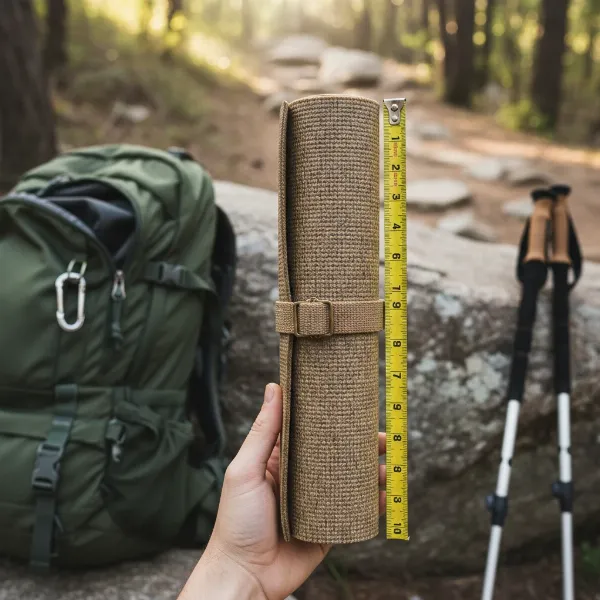 A thin, foldable travel yoga mat, ideal for easy packing and carrying during outdoor adventures.
Essential Packing Strategies for Your Yoga Mat
Once you’ve chosen your travel-friendly mat, the next step is mastering how to pack it efficiently and securely. This involves considering how your mat interacts with your backpack and the specific demands of your journey.
Rolling vs. Folding
The way you prepare your mat can significantly affect its packed size.
- Tight Rolling: For mats designed to be rolled, ensure you roll it as tightly as possible, starting from one end and applying consistent pressure to eliminate air pockets. Securing the rolled mat with a yoga strap, bungee cord, or even a robust rubber band will prevent it from unrolling and becoming cumbersome. This method is generally better for mats that are thicker or less flexible.
- Accordion Folding: Many travel mats are designed to be folded. An accordion fold can make the mat very compact, often allowing it to fit inside your backpack. To achieve this, fold the mat in half lengthwise, then fold it repeatedly in small, even sections, much like a shirt, until it forms a neat, manageable rectangle. Folding keeps the mat’s top surface clean, which is a great advantage when you need to practice on various outdoor surfaces.
External Attachment Methods
Attaching your yoga mat to the outside of your backpack is often the most practical solution, especially for longer, bulkier mats or if your internal pack space is limited.
- Compression Straps: Most modern hiking backpacks come equipped with external compression straps. These are ideal for securing a rolled mat horizontally across the top or bottom of your pack, or vertically along the sides. Ensure the mat is cinched tightly to prevent it from swinging or bouncing, which can throw off your balance and cause discomfort.
- Gear Loops and Lashing Points: Many backpacks feature dedicated gear loops or daisy chains. You can use bungee cords, paracord, or even purpose-built yoga mat straps with carabiners to lash your mat securely to these points. This offers flexibility in placement and ensures a snug fit.
- DIY Solutions: If your backpack lacks sufficient attachment points, you can improvise. A sturdy belt can be used to strap a mat to the bottom of your pack. Alternatively, you might use an old yoga mat strap or even fashion one from strong webbing with D-rings. The goal is to create a stable attachment that won’t shift during movement.
- Protection from Elements: When attaching externally, your mat is exposed to dirt, rain, and potential snags. Consider using a lightweight, waterproof mat bag or a simple dry bag to protect your mat, especially if weather conditions are uncertain. Some suggest wrapping the mat in a scarf or reusable cloth tote for basic protection and discreet carrying.
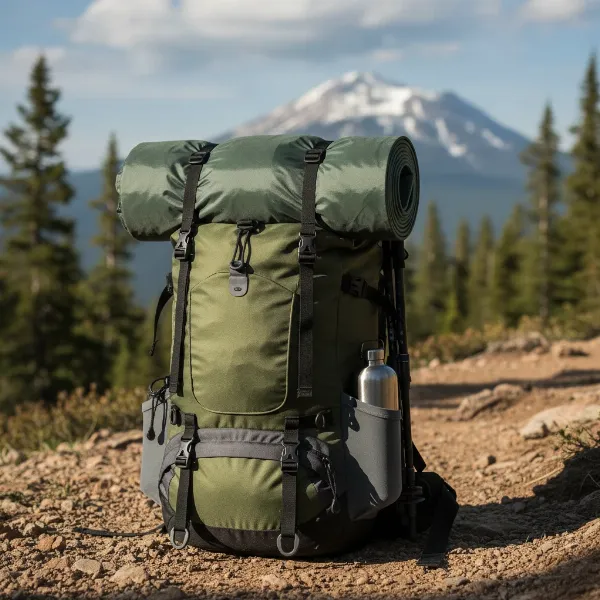 A yoga mat securely strapped to the outside of a hiking backpack using compression straps, ready for a trail.
Internal Packing Methods
While often challenging, packing your mat inside your backpack offers maximum protection from the elements and potential damage.
- Smaller, Foldable Mats: This method is most feasible with ultra-thin, foldable travel mats that can be compressed into a smaller footprint. Once folded, these mats can be laid flat against the back panel of your pack, or even tucked into larger internal pockets.
- Strategic Placement: If fitting internally, consider placing the mat at the bottom of your pack for stability, or along the back panel to add a layer of cushioning against your back. Ensure it doesn’t create awkward bulges or take up space needed for essential gear.
Selecting the Ideal Backpack for Mat Carry
The type of backpack you use significantly influences how easily and securely you can carry a yoga mat. Planning ahead can save you a lot of hassle on the trail.
External Attachment Points
Look for backpacks that are designed with external gear in mind.
- Integrated Straps and Loops: Modern hiking and backpacking packs often feature numerous external straps, gear loops, and daisy chains. These are invaluable for attaching items like sleeping pads, tents, or, in our case, yoga mats. Ensure these straps are adjustable and sturdy enough to hold your mat securely without slippage.
- Bottom or Side Compression Straps: Backpacks with strong, adjustable straps at the bottom or sides are excellent for carrying a rolled mat. These straps allow you to compress the mat tightly against the pack, minimizing movement and keeping it close to your center of gravity.
Internal Capacity
While external carry is popular for mats, some prefer internal storage for maximum protection.
- Larger Internal Volume: If you opt for internal carry, you’ll need a backpack with sufficient internal capacity, particularly if you’re bringing a mat that folds rather than rolls into a very small size. A larger pack allows you to dedicate a section, perhaps along the back panel, for your mat without sacrificing space for other critical gear.
- Packability of Mat: The internal storage method works best with extremely thin, highly flexible mats that can be folded into a compact square or rectangle. Consider how the mat’s dimensions when folded will integrate with the shape and volume of your pack’s main compartment.
Protecting Your Yoga Mat in the Wild
The outdoors can be unforgiving. Ensuring your yoga mat survives the journey requires proactive protection strategies.
Weatherproofing
Exposure to moisture can quickly lead to a dirty, smelly, or even moldy mat.
- Rain Covers and Dry Bags: If carrying your mat externally, a dedicated rain cover for your backpack will offer some protection. For guaranteed waterproofing, especially in heavy rain, consider placing your mat inside a lightweight dry bag before attaching it to your pack.
- Preventing Mildew and Odor: After a sweaty session or if your mat gets wet, it’s crucial to dry it thoroughly as soon as possible. Unroll or unfold it and hang it in a well-ventilated area. If full drying isn’t possible immediately, at least wipe it down to prevent moisture buildup.
Abrasion and Punctures
Rough terrain can easily damage an exposed mat.
- Strategic Positioning: When attaching externally, position your mat to minimize contact with abrasive surfaces like rocks or branches. Avoid letting it dangle or rub against sharp objects.
- Protective Sleeves: A durable, lightweight mat sleeve or bag can offer a vital layer of protection against scrapes, tears, and punctures. These are particularly useful if your mat is a valuable, eco-friendly natural rubber option.
- Consider wrapping your mat around the outside of your tent or other soft gear to protect both the mat and the items it’s wrapped around from pokes and tears from internal pack items.
Cleaning On-the-Go
Maintaining hygiene is important, even in the backcountry.
- Simple Field Cleaning: For quick clean-ups, a damp cloth or travel-sized eco-friendly mat spray can remove superficial dirt and sweat. For a deeper clean, especially if your mat is washable, a small amount of diluted biodegradable soap and water can work wonders.
- Yoga Towels: A lightweight microfiber yoga towel layered over your mat can absorb sweat and dirt, keeping your mat cleaner for longer. These towels are much easier to wash and dry on the go than an entire mat.
Table: Yoga Mat Types for Hiking – Quick Comparison
| Mat Type | Pros for Hiking | Cons for Hiking | Weight | Durability | Best For |
|---|---|---|---|---|---|
| Thin TPE/EVA Foam | Very lightweight, good cushioning for weight, affordable | Less grip than rubber, may not last as long, less eco-friendly | Low | Medium | Ultralight hikers, casual trips, budget-conscious |
| Travel-Specific Rubber | Excellent grip, durable, compact when folded or rolled | Heavier than foam, higher cost, can be less forgiving to fold | Medium | High | Serious yogis, frequent outdoor use, those prioritizing grip |
| Standard PVC (Thin) | Readily available, affordable, somewhat durable | Heavier, less grip in wet/sweaty conditions, not eco-friendly | Medium-High | Medium | Beginners, short trips, careful users |
| Yoga Towel (over ground) | Very lightweight, highly compact, absorbent, multi-purpose | No cushioning, requires a base layer for comfort, can slip | Very Low | High | Minimalists, hot weather, supplementing existing mat |
Advanced Tips for the Outdoor Yogi
Integrating a yoga mat into your hiking or backpacking routine opens up new possibilities. Here are some advanced tips to make the most of your mobile practice.
- Multi-purpose Use: Maximize your mat’s utility. A thin foam yoga mat can double as a lightweight sleeping pad, offering additional insulation and comfort under your main sleeping pad, or as a standalone pad for warmer conditions. It can also serve as a clean surface for preparing food or organizing gear at camp, keeping your other items off the dirty ground.
- Strategic Packing Synergy: Think about how your mat can complement other gear. A rolled mat can act as a structural element in your pack, helping to fill voids or provide a firm external shell. If packed internally, it can separate delicate items or provide a softer layer against your back.
- Leave No Trace Principles: When practicing yoga outdoors, always adhere to Leave No Trace principles. Stay on durable surfaces, pack out everything you pack in (including any mat-cleaning residue), respect wildlife, and minimize your impact on the natural environment. Your practice should enhance, not detract from, the wilderness experience for yourself and others.
Top Yoga Mats Recommended for Hiking and Backpacking
Several yoga mats stand out for their suitability for outdoor adventures due to their lightweight design, portability, and durability.
- The JadeYoga Jade Voyager Mat is a highly recommended lightweight option, weighing just 1.5 pounds and made from non-toxic, all-natural rubber. Its sticky surface ensures good grip, and its very thin design allows it to be easily folded or rolled, fitting into larger backpacks.
- The Manduka eKO Superlite Travel Mat is another popular choice, known for its natural rubber construction, excellent grip, and sustainability. It’s incredibly thin and designed to be foldable, making it compact enough for travel.
- The MIKKOA Travel Yoga Mat is praised for its innovative foldable design, lightweight nature, and natural rubber construction. It offers good support on various surfaces and is washable, adding to its appeal for outdoor use.
- For those on a budget or seeking extreme lightness, simple 1/8-inch closed-cell foam pads (often marketed as sleeping pads) can serve as functional yoga mats, providing a stable, insulated surface without significant weight.
Where to Buy Travel and Hiking-Friendly Yoga Mats
Finding the perfect mat for your outdoor practice can be a quest in itself, but several reliable avenues can lead you to your ideal companion.
- Online Retailers: Websites like Amazon, REI, and specialized yoga gear stores (e.g., Manduka, JadeYoga directly) offer extensive selections of travel and lightweight yoga mats. Pay close attention to product descriptions, focusing on thickness, weight, and material composition. Reading customer reviews can provide valuable insights into a mat’s real-world performance regarding grip, durability, and packability.
- Outdoor Gear Stores: Retailers specializing in hiking and backpacking equipment often carry ultra-light foam pads or compact mats that can double as yoga surfaces. These stores are excellent resources for understanding material resilience and water resistance.
- Specialized Yoga Shops: While many in-person yoga shops focus on studio mats, some also stock their brand’s travel-specific versions. These shops can be great for feeling the mat’s texture and assessing its foldability firsthand.
When buying online, always verify the seller’s return policy, especially if you’re unsure about the mat’s feel or how it will pack. Consider looking for mats that come with their own carry bags or straps, which can simplify transport.
Buying Guide: Your Perfect Trail Yoga Mat
Choosing the right yoga mat for your hiking and backpacking adventures involves a careful assessment of several factors. By considering these points, you can ensure your mat supports both your practice and your journey.
- Budget: Determine how much you’re willing to invest. While budget-friendly foam mats exist, higher-end travel-specific mats made from natural rubber or sustainable materials often come with a premium price tag, reflecting their durability, grip, and eco-credentials. Remember, a good quality mat that lasts multiple trips can be a worthwhile investment.
- Frequency of Use: If you plan to practice yoga frequently on your hikes and backpacking trips, investing in a more durable and comfortable travel mat is advisable. For occasional use, a simpler, more affordable option or a multi-purpose foam pad might suffice.
- Type of Hiking/Backpacking: Consider the nature of your trips. For ultralight backpacking, every ounce matters, making a 1.5mm mat or even just a yoga towel the preferred choice. For less strenuous day hikes where you have more carrying capacity, you might opt for a slightly thicker mat for added comfort.
- Personal Preferences: Beyond the practicalities, personal preference plays a significant role. Do you prioritize maximum grip, even in sweaty conditions? Are you sensitive to certain material textures or scents? Do you prefer a mat that folds neatly or rolls tightly? Think about your personal practice style and what makes you feel most grounded and comfortable.
Ultimately, the best yoga mat for your outdoor adventures is one that you’ll consistently use and cherish, allowing you to connect with nature and maintain your well-being on the go.
Conclusion
Bringing your yoga practice into the heart of nature elevates the entire hiking and backpacking experience, fostering a deeper connection with the environment and enhancing both physical and mental well-being. By thoughtfully selecting a lightweight, durable mat and mastering effective packing strategies—whether tightly rolled, compactly folded, or securely strapped to your pack—you can ensure your sacred space for movement travels with you. Protecting your mat from the elements and choosing a backpack with suitable attachment points are crucial steps toward a harmonious journey. With the right gear and a mindful approach, the wilderness transforms into an expansive studio, inviting you to stretch, breathe, and find your center amidst breathtaking landscapes.
What incredible natural setting will be your next outdoor yoga sanctuary?
Frequently Asked Questions
What’s the best way to clean my yoga mat on a multi-day hike?
For quick clean-ups, a damp cloth or a small amount of diluted, biodegradable soap with water works well. Wipe the mat thoroughly and air dry it completely to prevent mildew. For more frequent use, carrying a lightweight microfiber yoga towel to lay over your mat can absorb sweat and dirt, keeping your mat cleaner longer.
Can I use a regular yoga mat for backpacking, or do I need a special one?
While you can use a regular mat for very short, less strenuous trips, it’s generally not recommended for true backpacking or hiking due to its bulk and weight. Travel-specific yoga mats are designed to be thinner, lighter, and often foldable, making them far more practical and comfortable for carrying over long distances.
How do I prevent my yoga mat from getting damaged when strapped to my backpack?
To protect your externally carried mat, ensure it’s tightly secured to prevent snagging or bouncing. Use a protective sleeve or a lightweight dry bag to shield it from dirt, abrasions, and rain. Position it strategically to avoid contact with sharp objects or rough terrain.
Are there yoga mats that double as sleeping pads for backpacking?
Yes, some ultralight, closed-cell foam pads (typically 1/8 to 1/4 inch thick) can function as both a minimalist yoga mat and an additional insulating layer beneath your primary sleeping pad. While they offer less cushioning than dedicated Yoga Mats, they provide a lightweight, multi-purpose solution for minimalist trekkers.
Is it better to roll or fold a yoga mat for hiking?
It depends on the mat and your backpack. Thinner, travel-specific mats are often designed to be folded into compact squares, fitting easily inside a backpack. Thicker mats are usually best rolled tightly and secured externally. Folding generally results in a smaller footprint for internal packing.
What materials are best for a travel yoga mat?
Natural rubber is excellent for grip and eco-friendliness, though it can be heavier. TPE (Thermoplastic Elastomer) is a good lightweight, affordable alternative. For ultra-light options, thin EVA foam or specialized travel mats with microfiber surfaces are popular choices due to their minimal weight and packability.
What should I look for in a backpack for carrying a yoga mat?
Prioritize backpacks with external compression straps, gear loops, or daisy chains. These features allow you to securely attach a rolled or folded mat to the outside. If you plan to pack it internally, ensure your backpack has enough volume and that the mat’s folded dimensions fit without creating awkward bulges.