Stepping onto your yoga mat should bring a sense of stability and focus, not a frantic struggle to maintain your grip. For many practitioners, especially those with naturally sweaty hands and feet, finding the right yoga mat is crucial for a safe and effective practice. When sweat pools on the surface, even the most graceful poses can become slippery hazards, leading to instability and potential injury. This comprehensive guide will help you navigate the world of yoga mats, ensuring you choose one that provides unwavering grip and comfort, allowing you to flow seamlessly through every asana.
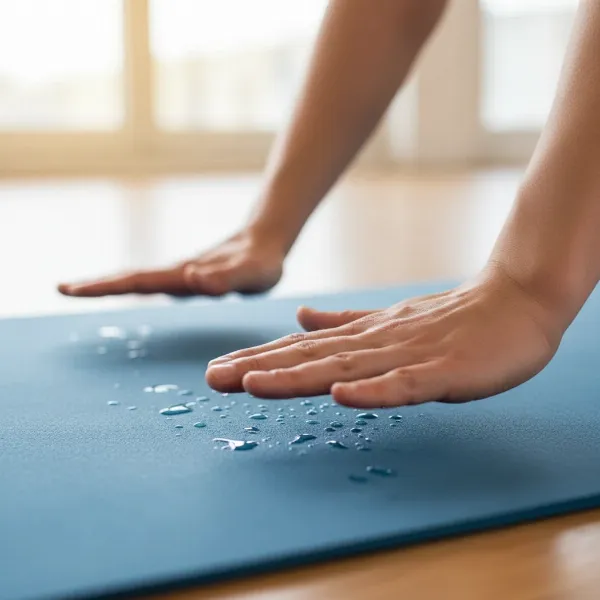 Person struggling with balance on a wet yoga mat due to sweaty hands, highlighting the need for better grip.
What is a Yoga Mat? Why Is It Essential?
A yoga mat is a specially designed padded surface used for practicing yoga. Its primary role is to provide a stable, non-slip foundation, cushioning for joints, and a personal space for your practice. A quality yoga mat is indispensable as it enhances safety by preventing slips, offers comfort during poses that put pressure on the body, and helps maintain proper alignment. Without a reliable mat, practitioners can struggle with balance, experience discomfort, and even risk injury.
Common Yoga Mat Types: A Detailed Comparison
The material of your yoga mat significantly influences its grip, durability, and overall performance, especially when dealing with sweat. Different materials cater to varied needs and preferences. Understanding their specific properties is key to making an informed choice for your practice.
-
PVC Yoga Mat: Made from polyvinyl chloride, PVC mats are widely available and typically the most budget-friendly option. They are known for their durability and ease of cleaning, often providing a decent “sticky” feel when dry. However, PVC mats are generally not the best choice for sweaty conditions as they tend to become very slick when moisture is introduced. They are also less environmentally friendly compared to other materials.
- Pros: Inexpensive, highly durable, easy to clean.
- Cons: Poor grip when wet, not eco-friendly, can have a strong initial odor.
- Best for: Beginners, occasional practitioners, those with a limited budget, or those who do not sweat heavily.
-
TPE Yoga Mat: Thermoplastic Elastomer (TPE) mats are a newer, more eco-conscious alternative to PVC. They are lighter, recyclable, and typically latex-free, making them a good option for those with allergies. TPE mats offer better grip than PVC, particularly in slightly damp conditions, and provide a comfortable level of cushioning. While they perform better with light sweat, heavy perspiration can still challenge their non-slip properties.
- Pros: Eco-friendly, lightweight, good cushioning, latex-free, better grip than PVC.
- Cons: Moderate durability compared to natural rubber or PVC, can still be slippery with heavy sweat.
- Best for: Regular yoga practitioners, those seeking an eco-friendlier option, or individuals with moderate sweating.
-
Natural Rubber Yoga Mat: Sourced from rubber trees, natural rubber mats are celebrated for their exceptional grip and eco-friendliness. These mats offer superior traction, especially when wet, making them highly recommended for individuals with sweaty hands and feet. They are also very durable and provide substantial cushioning. Some natural rubber mats might have a distinct rubbery smell initially, and they tend to be heavier.
- Pros: Excellent non-slip grip (even when wet), highly durable, eco-friendly, good cushioning.
- Cons: Can have a natural rubber smell, heavier, generally higher price point.
- Best for: Professional yogis, hot yoga practitioners, individuals with very sweaty hands and feet, those prioritizing sustainability and premium performance.
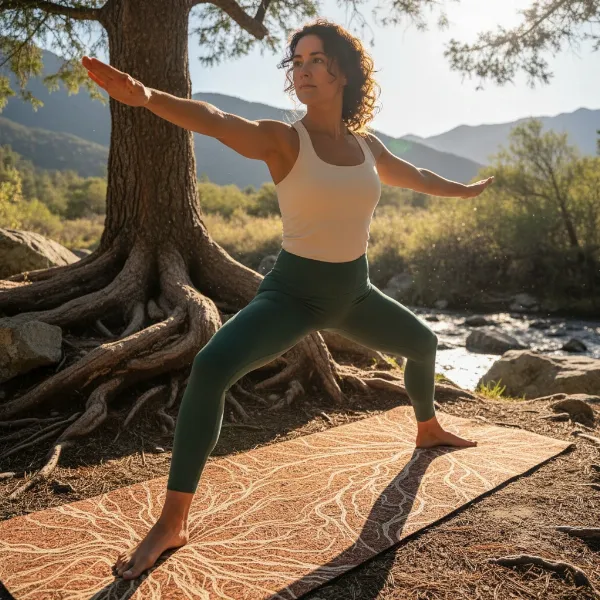 A person performing a yoga pose with firm grip on a natural rubber mat, demonstrating its superior traction.
-
Jute Yoga Mat: Jute mats are made from the natural fibers of the jute plant, offering a textured surface that provides moderate grip. They are breathable, absorbent, and environmentally friendly. While they can absorb some moisture, they might not offer the same level of non-slip security as natural rubber for very heavy sweating. Jute mats typically have a more rustic feel.
- Pros: Eco-friendly, breathable, textured surface for some grip, durable.
- Cons: Can be rough on sensitive skin, grip might be insufficient for heavy sweating, harder to clean.
- Best for: Practitioners seeking natural materials, gentle yoga styles, or those who prefer a firmer, textured surface.
-
Cotton Yoga Mat (Yoga Rug): Traditional cotton yoga mats, often referred to as yoga rugs or “yoga blankets,” are highly absorbent and provide a soft, natural surface. They excel at soaking up sweat, which can enhance grip for some practitioners as they become slightly tacky when damp. However, they offer minimal cushioning and can bunch up during dynamic movements if not properly anchored.
- Pros: Highly absorbent, soft, natural material, good for light sweat, meditation, and restorative practices.
- Cons: Low cushioning, can move or bunch, requires frequent washing, not ideal for dynamic or alignment-focused practices alone.
- Best for: Restorative yoga, meditation, gentle practices, or as a top layer over another mat for added absorption.
Comparison Table: Yoga Mat Materials at a Glance
| Material | Advantages | Disadvantages | Grip (Sweaty) | Durability | Price | Best Suited For |
|---|---|---|---|---|---|---|
| PVC | Affordable, durable, easy to clean | Not eco-friendly, poor wet grip | Low | High | Low | Beginners, light sweating |
| TPE | Eco-friendly, lightweight, good cushion | Moderate durability, can slip with heavy sweat | Medium | Medium | Medium | Regular users, moderate sweating |
| Natural Rubber | Excellent wet grip, eco-friendly, durable | Heavier, some odor, higher price | Very High | High | High | Hot yoga, heavy sweating, advanced |
| Jute | Natural, breathable, eco-friendly, durable | Can be rough, moderate wet grip | Medium | High | Medium | Natural product lovers, light to moderate sweating |
| Cotton | Highly absorbent, soft, natural | Low cushioning, can bunch, needs frequent washing | Medium (when damp) | Low | Low | Restorative yoga, meditation, light sweating |
Guide to Choosing a Suitable Yoga Mat
Selecting the perfect yoga mat requires considering several personal factors beyond just material. Your practice style, body needs, and lifestyle all play a role in finding your ideal match.
-
Thickness:
- 3-4mm: Standard thickness, offering a good balance of cushioning and connection to the floor. Suitable for practitioners who prefer stability and a firm feel underfoot, allowing for better balance in standing poses.
- 5-6mm: Enhanced cushioning, ideal for individuals needing extra joint support, such as those with sensitive knees, wrists, or a preference for softer landings in seated or prone poses. This thickness can still offer good grip depending on the material.
- Above 6mm: Maximum comfort, best for restorative yoga, Pilates, or those with significant joint issues who require ample padding. While comfortable, these thicker mats can sometimes reduce stability in balance poses and may compromise grip for some materials.
-
Size:
- Length: A general rule is to choose a mat that is at least 10-15 cm (4-6 inches) longer than your height. This ensures your entire body can fit on the mat during poses like Savasana (corpse pose) without your head or feet hanging off.
- Width: Most standard mats are 61 cm (24 inches) wide. If you have a larger frame or prefer more space to move, consider wider mats, which are often available in 66 cm (26 inches) or 71 cm (28 inches) options.
-
Grip: For practitioners with sweaty hands and feet, superior grip is non-negotiable. Look for mats explicitly designed with “non-slip” or “high-traction” surfaces. Materials like natural rubber and cork are known to become even grippier when damp, making them excellent choices. Open-cell foam structures also help by absorbing moisture.
-
Material: As detailed above, choose a material that aligns with your sweat level, environmental concerns, and preferred texture. Natural rubber and cork are top contenders for sweat, while TPE offers a greener alternative to PVC with improved grip.
-
Price: Yoga mats range widely in price. Determine your budget before shopping. While more expensive mats often offer better performance and durability (especially for sweaty conditions), there are also good mid-range options. Consider it an investment in your practice and well-being.
“A truly effective yoga mat for sweaty hands isn’t just about the material; it’s about the engineering. Look for surfaces that actively channel or absorb moisture, allowing your grip to intensify as your body heats up.” – Dr. Anya Sharma, Biomechanics Specialist
Tips for Cleaning and Maintaining Your Yoga Mat
Proper care is essential to maintain your yoga mat’s performance, especially its grip, and to prolong its lifespan. Neglecting cleaning can lead to bacterial buildup, unpleasant odors, and a compromised non-slip surface.
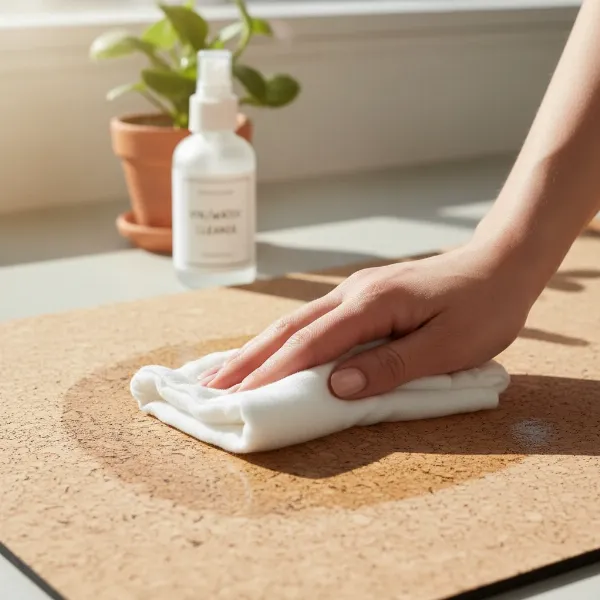
- Regular Cleaning: After every practice, particularly if you’ve sweated heavily, wipe down your mat with a damp cloth. A gentle solution of water and a few drops of mild soap (or a specialized yoga mat cleaner) can be used. This removes sweat, dirt, and oils before they can accumulate and degrade the mat’s surface. For open-cell mats, this helps prevent the absorption of excessive moisture, while for closed-cell mats, it maintains their non-slip integrity.
- Deep Cleaning: Depending on your usage, aim for a deep clean once a week or every few weeks. Spray your mat with a cleaning solution, gently scrub with a soft brush or cloth, and rinse thoroughly. For natural rubber and cork mats, avoid harsh chemicals or excessive scrubbing, as this can damage the material. Ensure you rinse off all soap residue, which can make the mat slippery.
- Drying: Always allow your yoga mat to air dry completely before rolling it up or storing it. Hang it over a shower rod or lay it flat in a well-ventilated area away from direct sunlight. Direct sunlight can cause certain materials, especially natural rubber, to break down and become brittle over time.
- Storage: Store your mat rolled up loosely in a cool, dry place. Avoid folding it, as this can create permanent creases and weaken the material, affecting its flatness and grip during practice. Using a yoga mat bag can protect it from dirt and damage during transport.
Top Yoga Mat Brands for Sweaty Hands and Feet
When sweat is a concern, certain brands consistently receive high praise for their innovative designs and material choices that deliver superior grip.
- Jade Yoga Mats: Renowned for their open-cell natural rubber construction, Jade Harmony Mats offer exceptional grip that actually improves with moisture. They are also eco-friendly, made sustainably, and provide a good balance of cushioning and stability. Ideal for all levels, especially those prone to heavy sweating.
- Manduka GRP Adapt Yoga Mat: Specifically engineered for hot yoga and intense practices, the Manduka GRP Adapt features a moisture-activated grip that is nearly slip-proof. Its unique surface technology channels sweat away, ensuring stability. It’s also durable and provides ample cushioning.
- Liforme Yoga Mats: These mats are celebrated for their revolutionary “GripForMe” material, which is a proprietary natural rubber base with an absorbent polyurethane (PU) top layer. This combination provides an incredibly grippy, non-slip surface that performs exceptionally well even with significant sweat. Liforme mats also feature etched alignment markers.
- Hugger Mugger Para Rubber Mats: Made from natural rubber, these mats offer excellent density and grip. Their textured surface and durable construction provide a reliable foundation, making them a solid choice for practitioners needing extra traction.
- Cork Yoga Mats (Various Brands): Many brands now offer high-quality cork yoga mats. Cork’s natural antimicrobial and moisture-wicking properties make it an outstanding material for sweaty practices. The surface often becomes even tackier when wet, providing reliable grip.
Where to Buy Reliable Yoga Mats?
Investing in a quality yoga mat means choosing a reputable retailer. You can find excellent options both online and in physical stores.
- Specialty Yoga Stores: These stores often have knowledgeable staff who can offer personalized recommendations and allow you to feel different mat textures.
- Sporting Goods Stores: Larger chains like DICK’S Sporting Goods carry a range of yoga mats from various brands, sometimes including options specifically for grip.
- Online Retailers: Websites of established yoga brands (e.g., Jade Yoga, Manduka, Liforme) are excellent sources. Large e-commerce platforms also offer a wide selection, but always check seller reviews and product descriptions carefully to ensure authenticity and quality.
Notes for Online Purchases:
- Read customer reviews, especially those mentioning sweat or grip performance.
- Verify return policies, as mat feel can be subjective.
- Confirm the material composition and dimensions.
Buying Guide: Your Personal Mat Checklist
Before making your final purchase, run through this quick checklist to ensure your chosen yoga mat perfectly aligns with your practice. This guide distills all the crucial factors into a clear decision-making process.
- Budget: Determine how much you’re willing to spend. While you can find mats at all price points, a higher investment often translates to better grip and durability, especially for heavy sweaters. Think of it as an investment in your practice.
- Practice Frequency: If you practice daily or multiple times a week, a durable, high-performance mat is a wise investment. For less frequent practice, a good mid-range option might suffice.
- Type of Yoga:
- Hot Yoga / Vinyasa / Ashtanga: Absolutely prioritize a mat with superior wet grip, such as natural rubber, PU-coated, or cork.
- Hatha / Restorative / Yin: Cushioning and comfort might take precedence, though non-slip properties are still important.
- Pilates / Barre: Look for durability and a good grip, often slightly thicker for floor work.
- Personal Factors: Consider any joint sensitivities that require extra cushioning. Pay attention to specific material allergies (e.g., latex in some natural rubber mats). Finally, choose a color or design that inspires and calms you, making your mat a truly personal extension of your practice.
Conclusion
Choosing the best yoga mat for sweaty hands and feet is about finding a harmonious blend of superior grip, comfort, and durability. By understanding the unique properties of materials like natural rubber, cork, and high-performance PU, you can select a mat that empowers your practice, transforming potential slips into stable foundations. Investing in a mat that meets your specific needs means saying goodbye to distractions and hello to deeper focus and confidence in every pose. May your journey on the mat be grounded, steady, and utterly transformative.
What kind of grip issues have you faced during your yoga practice, and what solutions have you found most effective?
Frequently Asked Questions
What is the best yoga mat material for sweaty hands and feet?
Natural rubber and cork are highly recommended materials due to their exceptional grip, which often improves with moisture. Polyurethane (PU) coated mats also provide superior non-slip properties, making them ideal for practitioners who sweat heavily.
Can I use a yoga mat towel instead of buying a new mat?
Yes, a yoga mat towel can be an excellent accessory to enhance grip on an existing mat, especially for those with sweaty hands. These towels are designed to absorb moisture and create a grippier surface, making them a cost-effective solution for hot yoga or intense practices.
How often should I clean my yoga mat if I sweat a lot?
If you sweat heavily during your practice, it’s recommended to wipe down your yoga mat with a damp cloth and mild cleaner after every use. A deeper clean once a week can prevent bacterial buildup and maintain the mat’s performance and hygiene.
Are eco-friendly yoga mats good for sweaty practices?
Many eco-friendly Yoga Mats, particularly those made from natural rubber or cork, offer exceptional grip and moisture-wicking properties, making them excellent choices for sweaty practices. These materials provide high performance while supporting sustainable practices.
What thickness is best for a yoga mat if I have sweaty hands and feet?
For sweaty hands and feet, prioritize grip over extreme thickness. Mats in the 3-5mm range often provide a good balance of cushioning and stability. If you need more cushioning, opt for a material with inherently strong wet grip, or consider a mat towel to supplement.