Let’s be honest, stepping into the world of yoga can feel a bit overwhelming at first. There are poses with strange names, a whole new language of “asanas” and “pranayama,” and then there’s the gear. At the center of it all is your trusty yoga mat, your personal sanctuary. But a quick search online reveals a dizzying array of options. If you’ve typed “Best Foam Yoga Mat” into your search bar, you’re in exactly the right place. You’ve taken the first step toward finding a partner for your practice, not just a piece of equipment. I’ve been there, standing in an aisle, squishing different mats, wondering what on earth the difference is. It’s more than just color and price; it’s about finding the foundation that will support you, literally and figuratively, through every Downward Dog and Warrior pose.
This guide is your personal consultation. We’re going to break down everything you need to know, from the nitty-gritty of foam chemistry to the simple joy of unrolling a mat that feels just right.
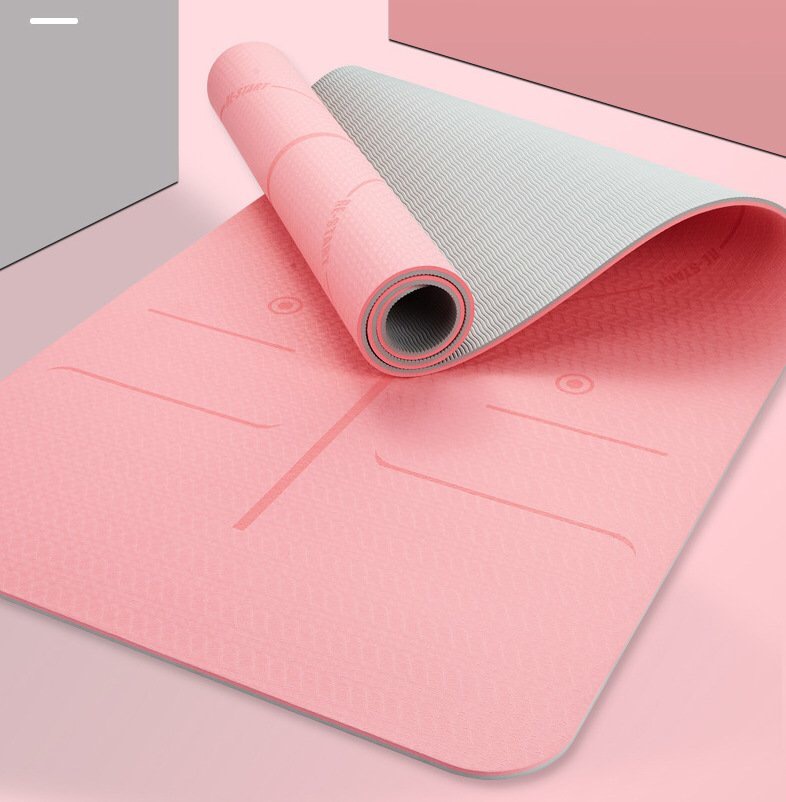
What’s the Big Deal with Foam Anyway?
Before we dive deep, let’s appreciate why foam became the go-to material for yoga mats. Early yogis practiced on grass or hard floors, which, as you can imagine, isn’t exactly kind to the knees and spine. The modern yoga mat was born out of a need for cushion and grip. Foam materials provided the perfect solution: a lightweight, portable surface that could absorb impact and prevent slipping. Your mat isn’t just a buffer; it’s a defined space for your practice, a tactile boundary that helps you focus and stay present. Choosing the right one can genuinely transform your experience.
Decoding the Foam: Not All Mats Are Created Equal
The term “foam” is a broad one. Think of it like “bread” – there’s sourdough, rye, whole wheat, and they all have a different texture, density, and purpose. The same goes for your yoga mat. The type of foam dictates its grip, durability, weight, and environmental impact.
PVC (Polyvinyl Chloride): The Old-School Classic
PVC is the original yoga mat material. It’s the tough, dependable workhorse of the yoga world.
- Pros:
- Incredibly Durable: A good PVC mat can last for years, even a decade. It’s resistant to stretching and tearing.
- Excellent Stickiness: It has a “sticky” grip that gets even better with time and a little use.
- Affordable: Generally, PVC mats are the most budget-friendly option.
- Cons:
- Environmental Concerns: PVC is not biodegradable and its manufacturing process can be harmful to the environment.
- Potential for Toxins: Look for mats that are certified free of phthalates, latex, and heavy metals.
- Break-in Period: It can be a bit slippery at first and needs a few sessions to develop its signature grip.
Think of a PVC mat like a new pair of leather boots; it takes some time to break in, but once it does, it’s yours for life.
TPE (Thermoplastic Elastomer): The Modern Contender
TPE is a newer, more eco-conscious alternative. It’s a blend of plastic and rubber polymers that can be melted down and recycled.
- Pros:
- More Eco-Friendly: TPE is recyclable and biodegradable in certain conditions. It’s made without the harsh chemicals often associated with PVC.
- Lightweight: Noticeably lighter than PVC, making it a great choice if you travel or walk to your yoga studio.
- Great Cushion: TPE often has a springy, responsive feel that provides excellent cushioning for your joints.
- Closed-Cell Structure: This means it doesn’t absorb sweat or bacteria, making it easy to clean and more hygienic.
- Cons:
- Less Durable: While still strong, it may not withstand a vigorous daily practice for as many years as a high-end PVC mat.
- Can Stretch: Some TPE mats may stretch slightly during certain poses over time.
TPE is the versatile, all-around player that scores high on comfort, portability, and eco-friendliness. It’s a fantastic choice for most yogis.
Bảng trống.Natural Rubber: The Earthy Powerhouse
While not a synthetic foam, natural rubber mats offer a foam-like cushion and are a major player in the premium mat market. It’s important to understand them when you’re looking for the best foam yoga mat because they are often the next step up.
- Pros:
- Unbeatable Grip: Natural rubber offers a level of grip that is second to none, even when you get sweaty.
- Sustainable: It’s made from a renewable resource and is biodegradable.
- Excellent Cushioning: Provides a dense, supportive cushion.
- Cons:
- Heavy: This is not the mat you want to carry around all day.
- Latex Allergies: Not suitable for those with a latex allergy.
- The Smell: It has a distinct rubbery smell that can be strong at first, though it fades over time.
How to Choose the Best Foam Yoga Mat for Your Practice
Okay, you know the materials. Now, how do you pick the one for you? It comes down to a few key personal factors. Let’s walk through them.
Thickness: Are You a Cloud-Seeker or a Ground-Hugger?
The thickness of your mat is all about the balance between comfort and stability. Think of it like a mattress: too soft and you sink in, too firm and it’s uncomfortable.
- Thin (1mm – 3mm): These are often travel mats. They offer very little cushion but provide a direct connection to the floor, which is great for stability in standing and balancing poses like Tree Pose. They’re perfect for throwing in a suitcase.
- Standard (4mm – 6mm): This is the sweet spot for most people. It provides enough cushion to protect your knees and wrists in poses like Cat-Cow or Plank, without being so thick that you feel wobbly. A 5mm mat is an excellent, versatile starting point.
- Thick (8mm+): If you have sensitive joints or practice a lot of restorative or yin yoga where you hold poses on the floor for a long time, a thicker mat can feel like a dream. The trade-off is stability; balancing can be more challenging on a super-squishy surface.
Grip and Texture: Your Non-Slip Safety Net
Grip is non-negotiable. A slippery mat is not only frustrating but also dangerous. Foam mats achieve grip in two ways:
- Stickiness: This is the inherent “tacky” feeling of the material itself, like with many PVC mats.
- Texture: This is a physical pattern on the mat’s surface that creates friction, common on TPE mats.
Consider your practice style. If you’re doing a sweaty, fast-paced Vinyasa flow, you’ll need a mat with superior grip that holds up to moisture. If your practice is gentler, a standard texture might be all you need.
Eco-Friendliness: Aligning Your Mat with Your Values
For many, yoga is about connection—to ourselves and to the world around us. Choosing an eco-friendly mat can be an extension of that practice. If this is important to you, look for TPE or natural rubber mats. Also, keep an eye out for certifications like OEKO-TEX Standard 100, which ensures the product is free from harmful substances.
“I always tell my students that your mat is your foundation. Investing in the best foam yoga mat you can afford isn’t a luxury; it’s an investment in your safety, your comfort, and your ability to be fully present in your practice. When you trust your mat not to slip, you can focus on your breath, not on your fear of falling.”
— Elena Hayes, Certified Yoga Instructor
How to Clean Your Foam Yoga Mat
Keeping your mat clean is crucial for hygiene and extending its life. A clean mat also provides better grip.
A short and direct answer is: To clean your foam yoga mat, mix a few drops of mild dish soap with warm water in a spray bottle. Lightly spray the mat, wipe it down with a soft, damp cloth, and then wipe it again with a clean, dry cloth. Allow it to air dry completely before rolling it up.
Here’s a step-by-step guide:
- Mix Your Solution: In a spray bottle, combine warm water with a tiny amount of gentle soap (dish soap works well). Avoid harsh chemicals or oils, as they can break down the material.
- Spray and Wipe: Lightly mist the surface of your mat. Don’t saturate it.
- Gentle Scrub: Using a soft, damp cloth (microfiber is great), gently wipe down the entire surface of the mat.
- Rinse (Wipe Again): Wipe the mat down again with a new cloth dampened with just plain water to remove any soap residue.
- Dry Completely: Hang your mat over a chair or drying rack to air dry completely. Make sure it’s fully dry before you roll it up to prevent mildew. Never put your mat in direct sunlight for long periods, as it can degrade the material.
Frequently Asked Questions
Q: Is a thicker foam yoga mat always better?
A: Not necessarily. While a thicker mat (8mm+) provides more cushion for sensitive joints, it can make balancing poses more difficult. A standard 4-6mm mat is the best all-around choice for a practice that includes both floor work and standing poses.
Q: How long will my foam yoga mat last?
A: This depends on the material and how often you practice. A high-quality PVC mat can last 5-10 years. A TPE mat might last 2-5 years with regular use. You’ll know it’s time for a new one when it starts to lose its grip, flake, or develop thin spots.
Q: Can I use my foam yoga mat for other workouts like Pilates or HIIT?
A: You can, but be mindful. Yoga mats are designed for grip with bare feet. Shoes can tear up the surface of a foam mat, especially TPE. For high-impact workouts, a more durable fitness mat is generally a better choice.
Q: What’s that “new mat” smell?
A: This is usually from the manufacturing process, a phenomenon called “off-gassing.” For PVC and TPE mats, it’s generally harmless and will dissipate if you let the mat air out for a day or two after unboxing it.
Q: Is TPE really better for the environment than PVC?
A: Yes, in most cases. TPE is a thermoplastic, meaning it can be melted down and recycled into other products. It’s also made without the chlorine and phthalates used in most PVC production, making its manufacturing process and disposal less harmful to the environment.
Your Mat, Your Journey
Choosing a yoga mat is a deeply personal decision. There is no single “perfect” mat for everyone. The best foam yoga mat is the one that meets your unique needs—for your body, your practice style, and your values. It’s the one that makes you feel stable, supported, and excited to step onto it each day.
Think of this guide as your starting point. Use it to narrow down your options, and don’t be afraid to trust your gut. When you find the right one, you’ll know. It will feel like coming home. We hope you find the perfect partner for your practice and enjoy every moment of your journey on the mat.