Let’s be real for a moment. Have you ever been in a low lunge and felt that nagging ache in your back knee? Or maybe you’ve tried to hold a plank, only to have your wrists scream in protest? I’ve been there. My first yoga mat was a flimsy, paper-thin thing I grabbed on a whim. The result? I spent more time focusing on my discomfort than my breath. That’s why finding the Best Cushioned Yoga Mat isn’t just about comfort; it’s about transforming your practice, protecting your body, and giving you the confidence to truly let go on the mat.
This guide is your new best friend on that journey. We’re going to dive deep—and I mean really deep—into the world of cushioned mats. We’ll unpack everything from materials and thickness to how your specific yoga style plays a role. By the end, you’ll have all the knowledge you need to choose a mat that feels like it was made just for you.
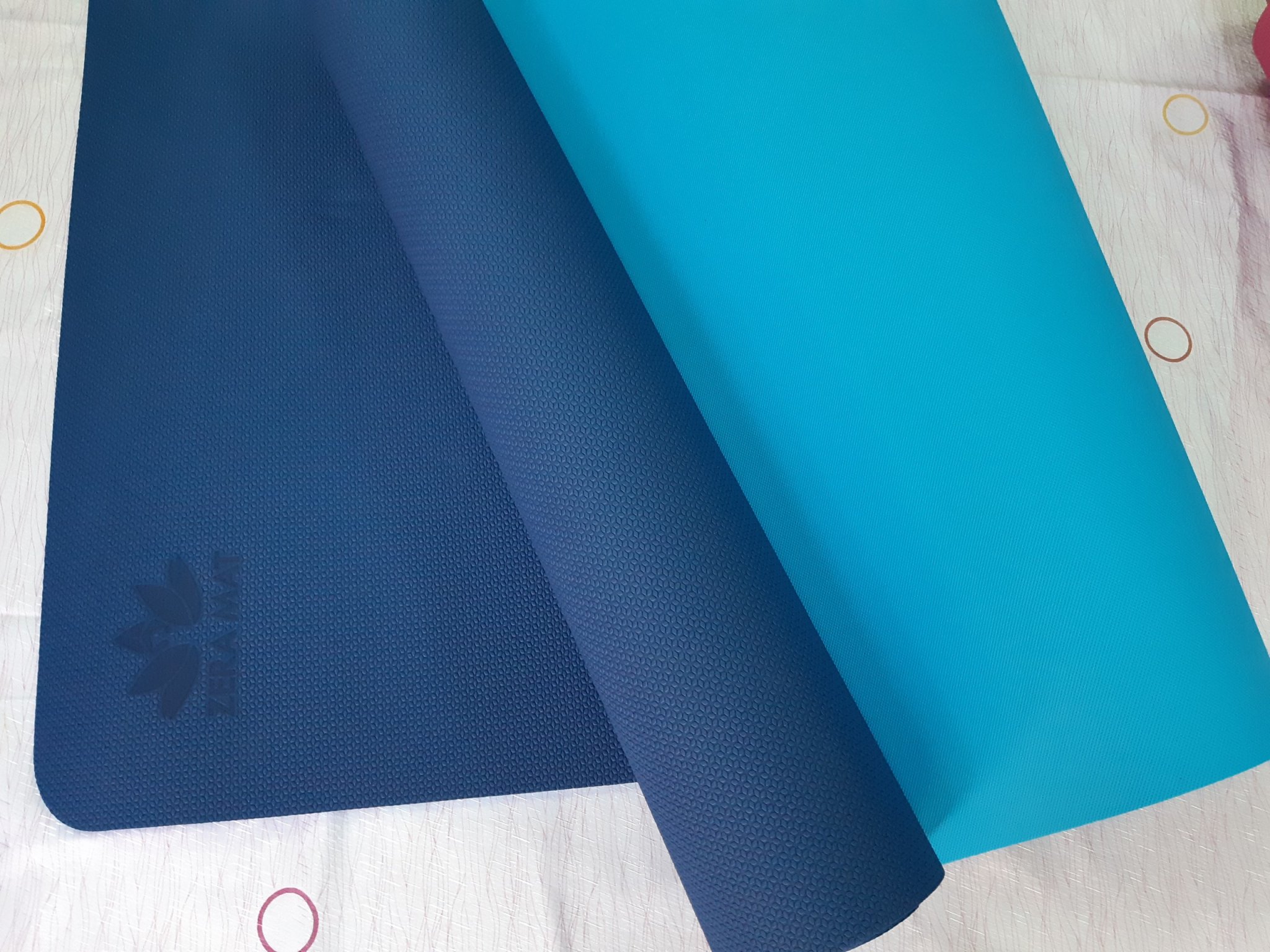
Why a Cushioned Mat is More Than Just a Soft Surface
A quality yoga mat is the foundation of your practice. It’s your sacred space. While ancient yogis practiced on grass or animal skins, the modern yoga mat provides crucial support that our contemporary lifestyles demand. A well-cushioned mat, in particular, serves a few key purposes that can make or break your experience.
It acts as a shock absorber, protecting your joints—knees, wrists, hips, and spine—from the hard floor beneath. This is especially vital in restorative or yin yoga, where you hold poses for extended periods. But even in a dynamic vinyasa flow, that extra padding provides a safer landing for your transitions. Think of it as the difference between running on pavement versus a soft track. One is jarring, the other is supportive. A great mat gives you that supportive, confident feeling every time you step on it.
Decoding Mat Materials: What’s Really Under Your Feet?
The material of your mat is arguably the most important factor. It determines its cushioning, grip, durability, and eco-friendliness. It can feel like a bit of a minefield, so let’s break down the most common players.
PVC (Polyvinyl Chloride): The Classic Workhorse
- The Good: PVC mats are incredibly durable, easy to clean, and usually the most affordable option. They offer good cushioning and can last for years, making them a popular choice for yoga studios.
- The Not-So-Good: They aren’t environmentally friendly. The manufacturing process can be toxic, and they are not biodegradable. They can also be slippery when new (the “break-in period” is real) and may not offer the best grip for sweaty practices.
TPE (Thermoplastic Elastomer): The Modern Hybrid
- The Good: TPE is a man-made blend of plastic and rubber. It’s a step up from PVC in the eco-friendly department, as it’s recyclable and made without toxic chemicals. TPE mats are lightweight, offer excellent cushioning, and often have a “closed-cell” structure, meaning they don’t absorb sweat and bacteria.
- The Not-So-Good: They tend to be less durable than PVC or natural rubber. Over time, you might see signs of wear and tear, especially with a vigorous daily practice.
Natural Rubber: The Eco-Warrior’s Choice
- The Good: Sourced from rubber trees, this is a sustainable and biodegradable option. Natural rubber mats are famous for their unbeatable grip, which actually improves with a little moisture. They provide a dense, supportive cushion that feels very grounded.
- The Not-So-Good: They are heavy, which can be a pain if you’re commuting to class. They also have a distinct rubbery smell that can take a while to fade. Crucially, if you have a latex allergy, this material is a no-go.
Cork: The Natural Antimicrobial
- The Good: Cork is another fantastic sustainable choice. It’s naturally antimicrobial, meaning it resists bacteria and odor. Like natural rubber, its grip is fantastic, especially when you start to sweat. It’s often bonded to a rubber or TPE base to provide cushioning.
- The Not-So-Good: A 100% cork mat can feel a bit firm. The texture is unique and might not be for everyone. They also tend to be on the pricier side.
PU (Polyurethane): The Unrivaled Grip King
- The Good: PU is typically used as a top layer over a natural rubber or TPE base. It has a smooth, soft feel and provides the most incredible, “grippy-no-matter-what” surface you can find. It wicks away moisture, making it a dream for hot yoga or anyone with sweaty palms.
- The Not-So-Good: This premium performance comes at a premium price. PU surfaces can also show sweat and oil marks easily, requiring more frequent cleaning to keep them looking fresh.
How to Choose the Best Cushioned Yoga Mat for You
Okay, now that you’re a material expert, how do you put it all together? The perfect mat is a deeply personal choice. What works for your best friend might not work for you. Let’s filter through the noise with a few key questions.
What’s Your Yoga Style?
The type of yoga you practice most often will heavily influence your choice.
- For Dynamic Flows (Vinyasa, Power, Ashtanga): You need a mat that balances cushion with grip and stability. Look for natural rubber or a PU-topped mat around 4-5mm thick. Too much cushion can make you feel unstable in balancing poses.
- For Gentle or Static Styles (Hatha, Yin, Restorative): Comfort is king here. You’ll want a thicker mat, perhaps 6mm or more. TPE and high-quality PVC can provide that plush, cloud-like feeling that allows you to melt into poses without your joints complaining.
- For Hot Yoga (Bikram, Heated Vinyasa): Grip is non-negotiable. Cork and PU-topped mats are your best bet as their grip intensifies with moisture. A closed-cell TPE mat is also a good option as it won’t absorb all that sweat.
As our friend and seasoned yoga instructor, Elena Reyes, always says, “Don’t let your mat be a distraction. The right mat disappears beneath you, allowing you to connect with your body and breath. For my Yin students, that means a mat that feels like a hug for their joints.”
Let’s Talk Thickness: How Much Cushion is Too Much?
Thickness is measured in millimeters (mm), and it’s a game of trade-offs.
- Thin (1-3mm): Often called “travel mats.” They’re lightweight but offer very little cushioning. You’ll feel a strong connection to the floor, but your knees won’t thank you.
- Standard (4-5mm): This is the sweet spot for many people. It provides enough cushion for comfort without sacrificing too much stability for standing and balancing poses like Tree Pose.
- Thick (6mm+): This is where you find the best cushioned yoga mat options. They are fantastic for sensitive joints, pilates, or floor-based exercises. The downside? You might feel a bit wobbly in one-legged balancing poses. It takes a little getting used to.
The Grip Factor: Don’t Slip ‘n’ Slide in Downward Dog
Grip, or “stickiness,” is what keeps you from face-planting during your flow. This comes from both the material (as we discussed) and the surface texture. Some mats have raised patterns to enhance grip, while others rely on the material’s inherent properties. If you have dry hands, a slightly textured PVC or TPE might feel fine. If you have sweaty hands, rubber, cork, or PU will be your saviors.
How to Care For Your Cushioned Yoga Mat (and Make It Last)
You’ve invested in a great mat; now let’s make sure it lasts. Proper care not only extends the life of your mat but also keeps it hygienic.
- Wipe It Down After Practice: Use a simple solution of water and a tiny drop of mild dish soap or a specialized mat cleaner. Use a soft cloth to gently wipe the surface.
- Avoid Harsh Chemicals: Bleach, alcohol-based cleaners, and essential oils can degrade the material of your mat over time, especially natural rubber.
- Let It Air Dry Completely: After cleaning, hang your mat or lay it flat to dry completely before you roll it up. Rolling up a damp mat is a recipe for mildew and bacteria growth.
- Keep It Out of Direct Sunlight: The sun’s UV rays can cause the colors to fade and the material (especially natural rubber) to become brittle and crack.
FAQ: Your Cushioned Yoga Mat Questions Answered
We get these questions all the time, so let’s clear them up.
What is the best thickness for a cushioned yoga mat?
The best thickness is typically between 5mm and 8mm. This range offers substantial joint protection for knees and wrists without making balancing poses overly difficult. For those with particularly sensitive joints or who practice restorative yoga, a thicker mat is ideal.
Can a cushioned yoga mat also be non-slip?
Absolutely! The best cushioned mats don’t sacrifice grip for comfort. Materials like natural rubber and mats with a PU top layer offer incredible cushioning and superior non-slip performance, even during a sweaty practice.
Is a more expensive yoga mat really better?
Often, yes. A higher price tag usually reflects higher-quality, more durable, and more eco-friendly materials. While a budget PVC mat can get you started, investing in a mat made of natural rubber, TPE, or cork often means better grip, longevity, and a better overall practice experience.
How do I get rid of the “new mat” smell?
This is most common with natural rubber mats. The best way is to unroll your mat and let it air out in a well-ventilated room (but out of direct sunlight) for a few days. The smell is harmless and will fade significantly over time.
Is TPE or natural rubber better for a cushioned mat?
It depends on your priorities. TPE is lighter and hypoallergenic, offering great cushion. Natural rubber provides a denser, more grounded cushion and superior grip but is heavier and not suitable for those with latex allergies. Both are excellent choices.
Your Practice Deserves the Best Foundation
Choosing a yoga mat is the first step in honoring your commitment to your practice and yourself. It’s not just a piece of equipment; it’s the ground that supports you, the space that holds you, and the foundation upon which you build your strength and find your peace. By considering your personal needs—your body, your style of yoga, and your values—you can find the best cushioned yoga mat that will serve you for years to come. Now go on, find the mat that makes you excited to unroll it every single day. Your joints will thank you for it.