Imagine stepping onto your mat, ready for a challenging vinyasa flow, only to find it slipping under your hands. Or perhaps you’re transitioning to a gentle restorative practice, wishing for more cushioning beneath your joints. A standard yoga mat often forces a compromise. This is where the innovation of double-sided yoga mats truly shines, offering an unparalleled level of adaptability and performance for every pose and practice. This comprehensive guide will navigate you through the world of reversible mats, helping you understand their unique benefits, explore various materials, and make an informed choice for your diverse yoga journey.
What is a Double-Sided Yoga Mat and Why Do You Need One?
A double-sided yoga mat is ingeniously designed with two distinct usable surfaces, each often boasting different textures, grip levels, or even colors. Unlike traditional single-surface mats, this dual functionality transforms your practice by providing tailored support and traction for a variety of yoga styles and conditions. This “two-in-one” approach not only offers exceptional versatility but also enhances the mat’s overall lifespan, as you can alternate between surfaces, distributing wear and tear more evenly.
The primary benefit lies in its adaptability. You might use one side with a strong, sweat-activated grip for intense hot yoga or dynamic Vinyasa flows, preventing slips even when things get heated. Then, with a simple flip, you could access a softer, more cushioned, or less textured surface perfect for gentle Hatha, restorative sessions, or meditative practices. This means you no longer need multiple mats for different activities; a quality double-sided mat becomes your all-in-one foundation, ready to support every facet of your yoga journey and even other fitness routines.
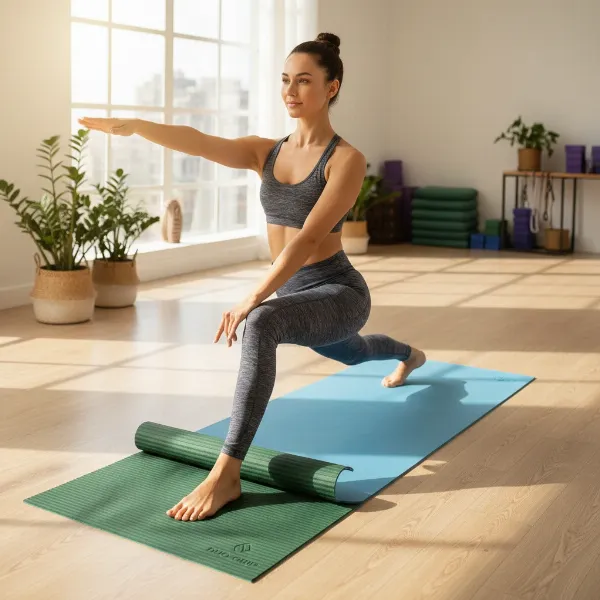 Woman demonstrating versatile double-sided yoga mat, suitable for intense and gentle practices
Exploring Popular Double-Sided Yoga Mat Materials
The material composition of a double-sided yoga mat is paramount, dictating its grip, cushioning, durability, and eco-friendliness. Understanding these differences will help you select a mat perfectly suited for your practice and personal values.
- Microfiber + Natural Rubber: This popular hybrid often features a soft, absorbent microfiber top layer fused with a dense, grippy natural rubber base. The microfiber excels at wicking away sweat, making it ideal for hot yoga where a wet surface activates its superior grip. The natural rubber provides excellent floor traction and cushioning.
- TPE (Thermoplastic Elastomer): TPE mats are a synthetic blend of plastic and rubber polymers, often marketed as an eco-friendlier alternative to PVC. Double-layered TPE mats are typically lightweight, recyclable, and offer good shock absorption. They provide a soft, comfortable feel and reasonable grip, making them suitable for general practice and travel.
- PVC with Textured Coating: Polyvinyl Chloride mats are known for their exceptional durability and consistent grip. When designed as double-sided, they often feature different textured patterns on each surface, providing varied levels of stickiness. While affordable and long-lasting, PVC is not biodegradable and can sometimes emit an initial “off-gassing” smell.
- Cork + Natural Rubber: Cork mats are celebrated for their natural, antimicrobial properties and sustainable sourcing. A common double-sided configuration pairs a cork top layer with a natural rubber base. Cork offers excellent dry grip, which can even improve with a light spray of water, and has a unique earthy feel. The rubber backing ensures stability on the floor.
- Natural Rubber (often with PU Top): Many premium double-sided mats utilize a natural tree rubber base for unparalleled floor grip and dense cushioning. Often, one side will be pure natural rubber, while the other features a smooth, high-performance polyurethane (PU) top layer. This PU surface offers incredibly consistent wet and dry grip, favored by advanced practitioners for its “sticky” feel.
- Jute/Cotton: While less common for truly double-sided mats that offer distinct functional differences, natural fiber mats like jute and cotton provide a soft, absorbent, and eco-friendly surface. They are best suited for restorative yoga or meditation where extreme grip is not the primary concern. When considering double-sided, these materials are more often found as part of a layered construction rather than standalone reversible surfaces with vastly different properties.
Comprehensive Comparison: Double-Sided Yoga Mat Materials
Choosing the right material for your double-sided yoga mat is a crucial decision that impacts your comfort, stability, and the longevity of your investment. This table provides a detailed comparison to help you weigh the options.
| Material | Key Features | Pros | Cons | Grip | Durability | Price | Best For |
|---|---|---|---|---|---|---|---|
| Microfiber + Natural Rubber | Hybrid blend, sweat-activated grip | Excellent wet/dry grip, antimicrobial, eco-friendly base | Heavier, requires careful drying, might feel less grippy when dry | Excellent (wet) | High | Medium-High | Hot yoga, intense vinyasa flows, sweaty practices |
| TPE (Thermoplastic Elastomer) | Lightweight, dual-layer, eco-friendly | Recyclable, good shock absorption, light, latex-free | Less durable than rubber/PVC, can compress over time | Good | Medium | Medium | Beginners, travel, general fitness, gentle yoga |
| PVC (Textured) | Highly durable, consistent grip, textured surfaces | Very durable, consistent grip, widely available, affordable | Not biodegradable, potential off-gassing, heavier | Good | Very High | Low-Medium | General fitness, budget-conscious users, everyday practice |
| Cork + Natural Rubber | Natural, antimicrobial, sustainable | Excellent dry grip, naturally antimicrobial, sustainable sourcing, ages well | Can feel rough initially, slow moisture absorption on cork side | Very Good (dry) | High | High | Eco-conscious yogis, gentle flows, Hatha, those with sensitivities |
| Natural Rubber (often PU top) | Premium performance, open-cell structure, robust | Superior wet/dry grip, eco-friendly, cushioned feel, high performance | Can have a distinct rubber smell, higher cost, may need break-in | Excellent | High | High | Professional yogis, all dynamic styles, maximum grip preference |
How to Choose Your Perfect Double-Sided Yoga Mat
Selecting a double-sided yoga mat is an investment in your practice. Consider these key factors to ensure you find a mat that truly complements your unique needs and preferences.
Thickness: Finding Your Balance of Comfort and Grounding
The thickness of your yoga mat directly impacts comfort and stability. Double-sided mats offer various thicknesses, allowing you to choose based on your physical needs and practice style.
- 3-4mm (Thin): These mats offer a greater connection to the floor, enhancing stability for standing poses and balance work. They are also lighter and more portable, making them excellent for travel or for yogis who prefer a grounded feel in dynamic practices like Ashtanga or Power Yoga. For advanced practitioners focusing on handstands and arm balances, thinner mats can provide better wrist health and easier balancing.
- 5-6mm (Standard): Striking an ideal balance between cushioning and stability, this is the most versatile thickness. It provides enough padding for joint protection in poses like kneeling lunges while still offering a solid foundation. This thickness is perfect for a wide range of styles, including Hatha, Vinyasa, and general fitness.
- 7-10mm+ (Thick): For individuals with sensitive joints, knee pain, or those who prioritize maximum comfort, thicker mats are a game-changer. They offer plush cushioning, making restorative yoga, Pilates, and longer holding poses significantly more comfortable. However, be aware that excessive thickness can sometimes reduce stability in standing balance poses.
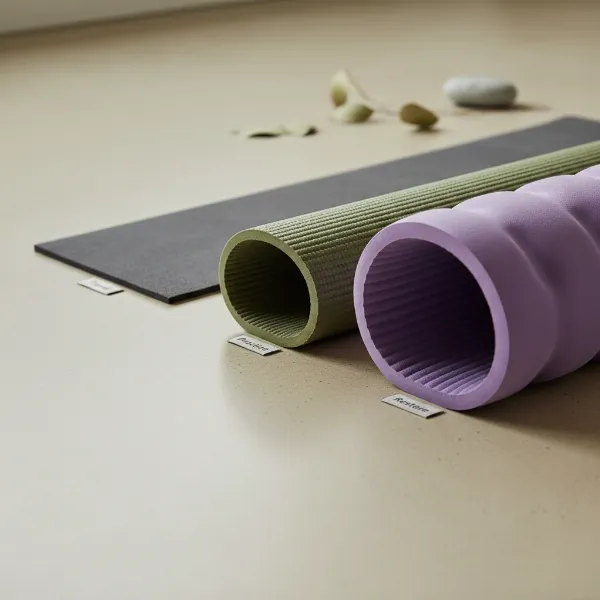 Close-up comparison of three yoga mats with varying thicknesses, showcasing comfort and stability
Size: Ensuring Ample Space for Every Movement
Your mat should comfortably accommodate your entire body. When choosing a double-sided mat, look for one that is at least 10cm longer than your height to ensure you don’t roll off the ends in poses like Downward Dog or Corpse Pose. Standard widths are usually 24 inches (61 cm), but if you have broader shoulders or simply prefer more room, wider options (26-28 inches) are available and can significantly enhance your comfort and freedom of movement.
Grip (Slip Resistance): Your Foundation for Safety and Confidence
Optimal grip is non-negotiable for a safe and effective yoga practice, especially with a double-sided mat that might offer different grip levels. One side might feature a highly textured or sweat-activated surface perfect for hot yoga or vigorous flows, where hands and feet can become sweaty. The other side might offer a softer, perhaps less aggressive, grip suitable for slower-paced practices or simply a different tactile experience. Always test the grip if possible, and read reviews specific to wet and dry performance. Natural rubber and high-quality PU are renowned for their superior non-slip properties.
Material: Aligning with Your Practice and Values
Revisit the material comparison to align your choice with your priorities.
- Hot Yoga / Sweaty Practice: Microfiber + Natural Rubber or Natural Rubber with PU top are excellent for wet grip.
- Eco-Conscious: Cork + Natural Rubber, TPE, or Natural Rubber options are often preferred.
- Joint Sensitivity / Comfort: TPE or Natural Rubber generally offer good cushioning.
- Durability / Longevity: PVC and Natural Rubber are known for their resilience.
Eco-Friendliness: Practicing with Conscience
For many yogis, the environmental impact of their gear is a significant concern. Double-sided mats made from sustainable, biodegradable, or recyclable materials like natural rubber, cork, or TPE are increasingly popular. Look for certifications that indicate non-toxic, latex-free, and PVC-free compositions to ensure your mat supports both your body and the planet.
Portability: Your Mat, Wherever You Go
If your practice takes you from home to the studio, or even on your travels, the mat’s weight and ease of transport are key. Thinner mats and those made from TPE tend to be lighter and easier to roll or fold. Some double-sided mats are specifically designed as “travel mats” – they are often thinner and lighter, making them convenient to pack, though they may offer less cushioning.
Budget: An Investment in Your Practice
Yoga mats range widely in price. While it’s tempting to opt for the cheapest option, remember that a higher-quality double-sided mat is an investment in your safety, comfort, and the longevity of your practice. More expensive mats often use premium, eco-friendly materials and offer superior performance and durability that will last for years, saving you money in the long run.
Essential Tips for Cleaning and Maintaining Your Double-Sided Yoga Mat
Proper care is vital for extending the life and maintaining the performance of your double-sided yoga mat, especially since you’ll be utilizing both surfaces.
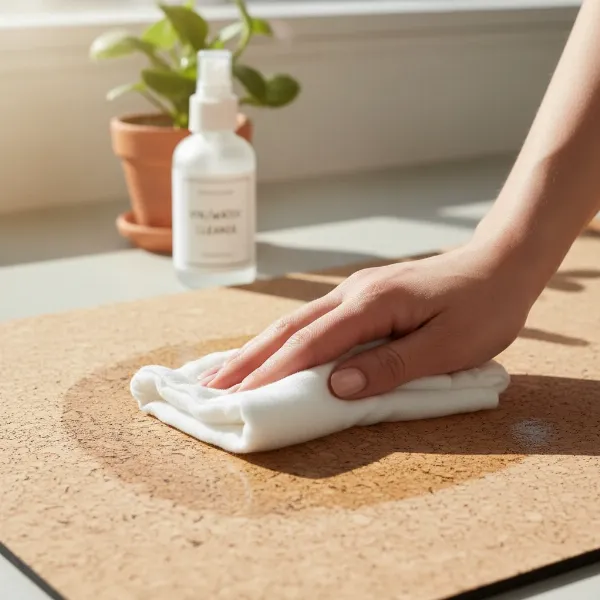
Regular cleaning is crucial to remove sweat, dirt, and oils that can degrade the material and reduce grip. For a quick wipe-down after each session, use a damp cloth with a mild, diluted soap solution or a specialized yoga mat cleaner. For a deeper clean, especially if one side is used for hot yoga, you can gently scrub the surface, then rinse thoroughly with water, ensuring no soap residue remains.
After cleaning, always hang or lay your mat flat to air dry completely. Avoid direct sunlight, as prolonged exposure can damage certain materials like natural rubber and cause them to become brittle or fade. When storing, roll your mat loosely, preferably with the surface you use most frequently facing outwards, to prevent creases or curling edges. Store it in a cool, dry place, away from extreme temperatures or heavy objects that could cause indentations.
“A well-maintained double-sided mat isn’t just a piece of equipment; it’s a testament to your dedication and respect for your practice, offering a consistent and clean space every time you unroll it.” – Dr. Anya Sharma, Yoga & Wellness Expert
Top Picks: Recommended Double-Sided Yoga Mats
While specific models can vary by region and availability, certain characteristics consistently define the best double-sided yoga mats, providing versatility and durability.
For practitioners who demand exceptional grip, especially in heated conditions, mats featuring a Microfiber top with a Natural Rubber base are highly recommended. These often provide a soft, absorbent surface that gains traction as you sweat, paired with the robust, non-slip foundation of rubber. The Lululemon The Mat is a well-known example that explicitly offers a reversible design with different surface textures for varied practices.
Those prioritizing a premium, eco-conscious experience with superb all-around grip often gravitate towards mats made from Natural Rubber with an eco-polyurethane (PU) top layer. Brands like Liforme and WIWORLDANDI Soul Mat are celebrated for their highly grippy surfaces that perform excellently in both wet and dry conditions, alongside their sustainable material choices. These often come with precise alignment markers on one side, adding another layer of versatility for technique refinement.
For a versatile option that balances performance and value, double-layered TPE mats are excellent choices. They are lighter, more portable, and provide good cushioning, making them suitable for general practice, beginners, and travel. Similarly, durable PVC mats with distinct textured surfaces on each side offer reliable grip and longevity at a more accessible price point, ideal for everyday use across various fitness activities.
Consider the Clever Yoga LiquidBalance PRO, which utilizes natural tree rubber and features dual-layer cushioning, designed for both joint protection and rock-solid stability. Its closed-cell, moisture-resistant surface ensures superior grip for hot yoga, making it a strong contender for serious yogis seeking quality and versatility.
Smart Buying Guide for Double-Sided Yoga Mats
Navigating the array of double-sided yoga mats can be simplified by focusing on a few key considerations that align with your lifestyle and practice.
- Determine Your Budget: While higher-priced mats often offer superior materials and longevity, there are excellent mid-range options that provide great value. Decide what you’re willing to invest, knowing a quality mat can last for years.
- Assess Your Practice Frequency: If you’re a daily yogi, investing in a durable, high-performance mat made from natural rubber or a robust hybrid material will withstand constant use and maintain its integrity. For occasional practitioners, a TPE or textured PVC mat might suffice.
- Consider Your Primary Yoga Style(s):
- Hot Yoga / Vinyasa: Prioritize mats with excellent wet grip, like microfiber/rubber or PU-coated natural rubber.
- Hatha / Restorative / Yin: Focus on cushioning and a comfortable, perhaps softer, surface. A slightly thicker mat would be beneficial.
- Ashtanga / Power Yoga: Look for superior dry grip and stability, potentially a thinner mat for better ground connection.
- Factor in Personal Needs and Preferences: Do you have sensitive knees, requiring extra cushioning? Are you taller and need an extended length? Is eco-friendliness a top priority? Do you prefer a specific texture or color? These personal elements are crucial for finding a mat you truly love and will use consistently.
- Read Reviews and Ask for Recommendations: Online reviews often provide valuable insights into real-world performance, durability, and any potential quirks of a mat. Don’t hesitate to ask your yoga instructors or fellow yogis for their experiences with double-sided options.
Conclusion
Choosing the right double-sided yoga mat can be a transformative step in your yoga journey. With their inherent versatility, enhanced durability, and ability to cater to different practice styles and conditions, these mats truly offer a “two-in-one” advantage. By carefully considering factors such as material, thickness, grip, and eco-friendliness, you can find a mat that not only supports every pose but also becomes a reliable and cherished partner in your pursuit of balance and well-being. Investing in a high-quality double-sided mat means investing in a more adaptable, comfortable, and sustainable practice. What will your perfect double-sided mat empower you to achieve on your next flow?
Frequently Asked Questions
Are double-sided yoga mats really better than single-sided ones?
Double-sided yoga mats offer enhanced versatility, providing different textures or grip levels on each surface to suit various yoga styles or conditions. This dual functionality can extend the mat’s lifespan by distributing wear and tear, and often offers better value by acting as two mats in one, making them a superior choice for many practitioners.
How do I know which side of my mat to use for different practices?
Typically, one side of a double-sided mat will have a more aggressive texture or a material designed for superior wet grip, ideal for dynamic or hot yoga. The other side might be smoother or offer more cushioning, better suited for gentle, restorative, or meditative practices. Manufacturers usually provide guidance, or you can test which side feels best for your current needs.
Can I use a double-sided mat for hot yoga?
Absolutely. Many double-sided mats are specifically designed with one surface optimized for hot yoga, often featuring sweat-activated grip properties from materials like microfiber or advanced PU. These surfaces help prevent slipping and maintain stability even during the sweatiest sessions, making them an excellent choice for heated practices.
How often should I clean my double-sided yoga mat?
It’s recommended to lightly clean your double-sided mat after every practice, especially if you’ve sweated heavily, to prevent odor and bacterial buildup. A deeper clean should be performed weekly or bi-weekly, depending on your practice frequency and intensity, using a mild soap solution or a specialized yoga mat cleaner on both surfaces.
What is the most eco-friendly double-sided yoga mat material?
Natural rubber, especially when paired with cork or eco-polyurethane (PU), is often considered one of the most eco-friendly options for double-sided Yoga Mats due to its sustainable sourcing and biodegradability. TPE is another good choice, being recyclable and free from harmful chemicals like PVC and latex, making it a greener alternative.