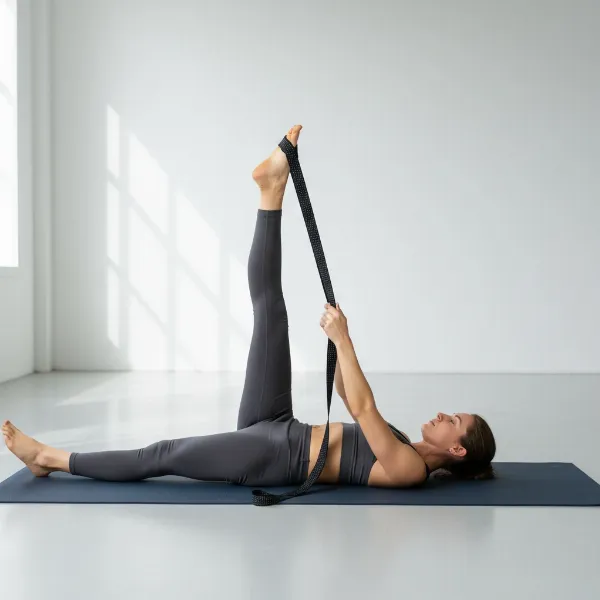
Stepping onto your mat for a Restorative or Yin yoga session is an invitation to slow down, release tension, and connect deeply with your body. Unlike dynamic styles, these practices involve holding poses for extended periods, often with passive stretching and ample support. This unique approach demands a yoga mat that prioritizes comfort, cushioning, and stability above all else, transforming your practice space into a sanctuary of relaxation. Finding the perfect mat can significantly enhance your experience, protecting your joints and allowing you to fully surrender into each pose. This guide will help you navigate the options and choose a mat that feels like a warm embrace for your Restorative and Yin journey.
What is a Yoga Mat and Why is it Essential for Gentle Practices?
A yoga mat serves as your personal foundation, defining your space and providing a critical interface between your body and the floor. For Restorative and Yin yoga, its role transcends mere grip; it becomes an essential tool for cushioning joints, supporting limbs, and ensuring a comfortable environment for prolonged holds. A quality yoga mat shields your knees, hips, and spine from hard surfaces, absorbs impact, and helps maintain proper alignment without discomfort, allowing you to fully relax and receive the benefits of these healing practices. Beyond comfort, mats also offer a hygienic surface for your practice.
Understanding the Unique Needs of Restorative and Yin Yoga
Restorative and Yin yoga styles are characterized by their slow pace, deep stretches held for several minutes, and the use of props to support the body. The goal is to release muscular effort, stimulate connective tissues, and calm the nervous system. Therefore, the ideal mat for these practices differs significantly from one designed for active Vinyasa or Hot Yoga. Here, the emphasis shifts from high-traction and sweat-wicking to superior cushioning, adequate thickness, and a soft, comfortable surface. You need a mat that allows you to feel completely supported, preventing any distractions from discomfort and encouraging a deeper state of relaxation and introspection.
Comparing Popular Yoga Mat Materials for Restorative & Yin
Different mat materials offer distinct properties, impacting comfort, durability, and environmental footprint. For Restorative and Yin yoga, materials that provide excellent cushioning and a pleasant tactile experience are preferred.
| Material | Pros | Cons | Grip (for R&Y) | Durability | Price | Best For |
|---|---|---|---|---|---|---|
| NBR (Nitrile Butadiene Rubber) | Superior cushioning, soft, lightweight for its thickness, often budget-friendly | Can be bulky, less grippy than rubber, not always eco-friendly | Medium | Medium | Low-Medium | Deep cushioning, joint relief, budget-conscious |
| PVC (Polyvinyl Chloride) | Very durable, good cushioning, easy to clean, stable foundation | Not eco-friendly, can be heavy, may have initial chemical smell | Medium | High | Medium | Longevity, consistent performance |
| TPE (Thermoplastic Elastomer) | Eco-friendly, good cushioning, lightweight, soft feel, latex-free | Less durable than PVC/rubber, may compress over time | Medium | Medium | Medium | Eco-conscious, gentle support |
| Natural Rubber | Excellent grip (especially when wet), eco-friendly, very dense cushioning | Can be heavy, distinct rubber smell, less porous, pricier | High | High | High | Grounding feel, strong support, natural choice |
| Cork | Eco-friendly, antimicrobial, naturally grippier when wet, unique texture | Can be slippery when dry, may require specific rolling/care, less plush | Low-Medium | Medium | Medium-High | Eco-conscious, unique feel, moderate cushion |
Top 5 Yoga Mats for Restorative and Yin Yoga: Detailed Reviews
Choosing the right mat can be a deeply personal decision, but for Restorative and Yin practices, these five mats consistently deliver the comfort and support essential for profound relaxation.
1. Gruper Thick Yoga Mat (15mm NBR)
|
Our Picks for the Best Yoga Mat in 2026
As an Amazon Associate I earn from qualifying purchases.
|
||
| Num | Product | Action |
|---|---|---|
| 1 | CAP Barbell High Density Exercise Yoga Mat with strap, 68"x24"x 1/2" - Sage Green |

|
| 2 | Retrospec Solana Yoga Mat 1" Thick w/Nylon Strap for Men & Women - Non Slip Exercise Mat for Home Yoga, Pilates, Stretching, Floor & Fitness Workouts |
|
| 3 | Retrospec Solana Yoga Mat 1/2" Thick w/Nylon Strap for Men & Women - Non Slip Excercise Mat for Yoga, Pilates, Stretching, Floor & Fitness Workouts |
|
| 4 | Amazon Basics Extra Thick Exercise Yoga Mat with Carrying Strap |
|
| 5 | MICRODRY Deluxe Fitness Exercise Yoga Mat for Home & Gym, Extra Thick for High Impact Training, Multi Layered Skid Resistant Surface, Odor Neutralizing with Carrying Strap |
|
| 6 | Amazon Basics Extra Thick Exercise Yoga Mat with Carrying Strap |
|
| 7 | Gruper Yoga Mat Non Slip, Eco Friendly Fitness Exercise Mat with Carrying Strap,Pro Yoga Mats for Women,Workout Mats for Home, Pilates and Floor Exercises |
|
| 8 | Amazon Basics 1/4 Inch Thick TPE Exercise Yoga Mat with Carrying Strap |
|
| 9 | Retrospec Solana Yoga Mat 1" Thick w/Nylon Strap for Men & Women - Non Slip Exercise Mat for Home Yoga, Pilates, Stretching, Floor & Fitness Workouts |
|
| 10 | Amazon Basics Extra Thick Exercise Yoga Mat with Carrying Strap |
|
The Gruper Thick Yoga Mat is a standout choice for those seeking maximum plushness. Crafted from NBR foam, this mat offers an exceptional 15 millimeters of cushioning, providing unparalleled relief for joints during long-held, passive poses. Its generous dimensions often exceed standard sizes, giving you ample space to spread out and utilize props. This mat is particularly well-suited for individuals with sensitive knees, hips, or spine, or anyone who desires the sensation of practicing on a soft cloud. While incredibly comfortable, its thickness and size might make it less portable for studio use, and some users report a mild initial odor that dissipates with airing.
2. Gaiam Essentials Thick Yoga Mat (10mm NBR)
For yogis seeking excellent cushioning without a premium price tag, the Gaiam Essentials Thick Yoga Mat is an outstanding budget-friendly option. At 10 millimeters thick, this NBR mat delivers substantial joint support and plush comfort, making it a perfect companion for gentle yoga flows and Restorative sessions. It’s surprisingly lightweight for its thickness, and often includes a carrying strap for convenience. While its surface might offer less grip compared to high-performance mats, for slow, grounded practices, this is rarely an issue. Its bulkiness, however, might be a consideration for those with limited storage space.
3. Amazon Basics 1/2-inch Extra Thick Yoga Mat (13mm Foam)
The Amazon Basics Extra Thick Yoga Mat provides a fantastic balance of support and cushioning, making it a highly accessible option for beginners and seasoned practitioners alike. With a full 1/2 inch (approximately 13mm) of foam, it effectively protects knees, elbows, and spine from hard floors. Its non-slip surface ensures a secure foundation, even during gentle movements. This mat is lightweight, easy to clean, and often comes with an elastic strap for convenient transport. While it offers great value, its foam construction may not be as durable as pricier options, potentially requiring more frequent replacement with heavy use.
4. Hugger Mugger Earth Elements Mat (TPE/Foam Blend)
Specifically designed with gentle practices in mind, the Hugger Mugger Earth Elements Mat offers a uniquely cozy and foamier cushion that is deliciously comfortable for seated postures, Yin classes, and even sound baths. This mat strikes a lovely balance between plushness and a textured dry grip, ensuring you can relax into poses without slipping. It is also notably ultralight, making it an excellent choice for those who might carry their mat to different spaces for practice. While its softer composition is ideal for Restorative and Yin, it might feel too squishy for more active, balancing postures, and its durability may be less than very dense rubber mats.
5. Yoloha Aura Cork Yoga Mat (6mm Cork & Plant-Based Foam)
The Yoloha Aura Cork Yoga Mat offers an eco-conscious alternative with a distinctly natural feel. This 6mm mat, made from cork and plant-based foam, provides moderate cushioning that supports joints while still feeling grounding. Cork is naturally antimicrobial and antibacterial, and uniquely, its grip actually improves when damp—a subtle benefit even for less sweaty practices. Users often appreciate its faint, earthy scent. While not as plush as NBR options, its firm yet supportive nature provides a stable base for longer holds. Durability of cork can be a consideration, and it’s best to roll it cork side out to prevent cracking.
 A person in a supported child's pose on a thick, comfortable yoga mat, surrounded by soft lighting, emphasizing peace and relaxation.
How to Choose Your Perfect Restorative or Yin Yoga Mat
Selecting the ideal mat for your Restorative and Yin practice involves considering several key factors tailored to these mindful styles:
- Thickness is King: For Restorative and Yin, prioritize mats that are 6mm (1/4 inch) or thicker. Options like 10mm, 13mm, or even 15mm provide superior cushioning and joint protection for long holds. Thicker mats create a plush barrier against hard floors, allowing deeper relaxation. While thinner mats (3-4mm) are good for dynamic practices needing a strong connection to the floor, they generally lack the comfort needed for passive poses.
- Size for Spreading Out: Standard mats are 68×24 inches. However, for Restorative and Yin, where you often spread out or use props, consider longer or wider mats (e.g., 72×26 inches or larger). This extra space prevents you from rolling off the mat and allows for greater freedom of movement and prop placement.
- Material Matters for Comfort: Look for materials known for their cushioning properties. NBR foam offers excellent plushness, TPE provides a good balance of comfort and eco-friendliness, and PVC can be very durable with good support. Cork offers a unique, natural feel with moderate cushioning and antimicrobial benefits.
- Cushioning vs. Firmness: While plush cushioning is desirable, ensure the mat isn’t excessively squishy, which could make you feel unstable even in grounded poses. The best mats offer a supportive “rebound” that protects joints without fully collapsing under pressure.
- Price and Value: Determine your budget, but consider a mat for Restorative and Yin an investment in your well-being. A high-quality mat that enhances comfort can transform your practice and last for years. There are excellent options across various price points.
Tips for Cleaning and Maintaining Your Restorative/Yin Mat
Proper care extends the life of your yoga mat and maintains a hygienic practice space. Given the nature of Restorative and Yin, heavy sweating is less common, simplifying cleaning.
- Regular Wiping: After each use, especially if you’ve used oils or lotions, gently wipe down your mat with a damp cloth and a mild, diluted soap solution or a specialized yoga mat cleaner. This removes any surface dirt, oils, and keeps it fresh.
- Deep Cleaning (Occasionally): For a deeper clean, especially for open-cell mats that absorb more, you might rinse it in a shower or soak it in a bathtub with mild soap. Always follow the manufacturer’s specific instructions for deep cleaning.
- Drying: Always allow your mat to air dry completely before rolling it up and storing it. Hang it over a shower rod or lay it flat in a well-ventilated area, away from direct sunlight, which can degrade some materials over time.
- Storage: Roll your mat loosely to prevent creases, especially if it’s a thicker mat. Store it in a cool, dry place. If your mat came with a carrying strap or bag, use it to keep your mat tidy and protected. For cork mats, remember to roll them with the cork side facing outwards to prevent cracking.
Where to Buy High-Quality Restorative/Yin Yoga Mats
Finding the right mat for your gentle yoga practice is easier than ever with a variety of reputable retailers.
- Specialized Yoga Retailers: Brands like Manduka, Hugger Mugger, and Yoloha often have their own websites or dedicated stores, offering their full range of products and expert advice.
- Online Marketplaces: Large online retailers such as Amazon and Verywell Fit carry a wide selection of mats, including popular options like Gaiam Essentials and Amazon Basics, often with competitive pricing and detailed customer reviews. This allows for convenient comparison shopping from the comfort of your home.
- Sporting Goods Stores: Retailers like Dick’s Sporting Goods or other local sports stores may carry a selection of yoga mats, including some suitable for Restorative and Yin practices.
When purchasing online, always review product descriptions carefully, paying close attention to material, thickness, dimensions, and customer feedback regarding comfort and durability. This ensures your chosen mat will truly support your tranquil practice.
Conclusion
Choosing the ideal Yoga Mat for Restorative and Yin practices is a crucial step towards deepening your experience, offering essential comfort and support for your body and mind. By prioritizing thickness, cushioning, and thoughtful material choices, you create a dedicated space where relaxation can flourish. Whether you opt for the ultra-plush Gruper, the budget-friendly Gaiam Essentials, the widely accessible Amazon Basics, the cozy Hugger Mugger Earth Elements, or the natural embrace of a Yoloha Cork mat, investing in the right foundation empowers you to fully surrender to the calming and healing power of these gentle yoga styles. May your mat be a steadfast companion, guiding you to moments of profound peace and restoration.
What aspects of comfort and support do you find most essential for a truly blissful Restorative or Yin yoga session?
Frequently Asked Questions
How thick should a yoga mat be for Restorative and Yin Yoga?
For Restorative and Yin Yoga, a mat thickness of 6mm (1/4 inch) or more is highly recommended. Thicker mats, ranging from 10mm to 15mm, provide superior cushioning to protect joints and enhance comfort during long holds and passive stretches, allowing for deeper relaxation.
What materials are best for comfortable yoga mats?
NBR (Nitrile Butadiene Rubber) and dense foam are excellent for comfort, offering plush cushioning. TPE (Thermoplastic Elastomer) provides a good balance of cushion and eco-friendliness, while natural rubber offers dense support. Cork, often combined with foam, gives moderate cushioning with natural antimicrobial properties.
Can a thick yoga mat affect my balance in Restorative or Yin Yoga?
For the most part, no. Restorative and Yin yoga typically involve grounded, seated, or supine poses, where extreme balance is not a primary concern. A thicker mat primarily enhances comfort and joint protection, which is beneficial for these styles, though exceptionally squishy mats might feel unstable even in simple transitions.
How often should I clean my yoga mat for gentle practices?
Even without intense sweating, it’s advisable to wipe down your mat after each Restorative or Yin session to remove body oils, dust, and any prop residue. A diluted mild soap solution or a specialized mat cleaner followed by air drying will keep your mat hygienic and prolong its life.
Are eco-friendly yoga mats comfortable enough for Restorative and Yin?
Absolutely. Many eco-friendly mats, especially those made from TPE, natural rubber, or cork, offer excellent comfort and support. These materials often combine a pleasant tactile feel with good cushioning, making them a great choice for conscious yogis who prioritize both comfort and environmental impact.