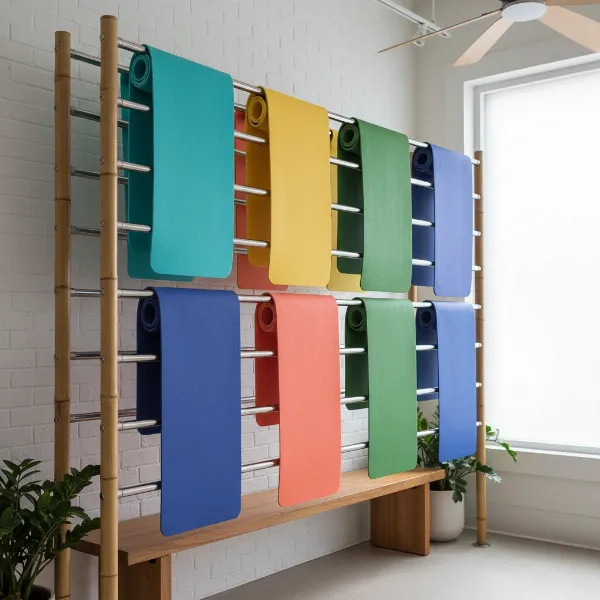
The appeal of a second-hand yoga mat is clear: it’s an environmentally conscious choice, reduces waste, and often comes with a more budget-friendly price tag. But before you unroll a pre-loved mat, a crucial question arises: is it truly hygienic and safe for your practice? Navigating the world of used yoga equipment requires careful consideration of potential health risks, material degradation, and effective sanitation methods. This guide will delve into these critical aspects, empowering you to make an informed decision that supports both your well-being and your wallet.
Yoga Mats and Germs: The Hidden Risks
Yoga practice involves direct skin contact with the mat, and let’s face it, sweat is an inevitable part of many sessions. This combination creates an ideal environment for microorganisms to thrive. Understanding the potential for germ transmission is the first step in assessing the hygiene of a used yoga mat.
Yoga mats, especially those frequently shared in studios, can become reservoirs for a variety of bacteria and fungi. Studies have revealed that surfaces in fitness centers, including mats, may harbor bacteria like salmonella, staphylococcus, Klebsiella, and micrococcus. When body fluids and skin cells accumulate in the porous surfaces of a mat, particularly in warm, humid conditions like a yoga studio, these organisms can multiply rapidly. Common skin infections such as athlete’s foot, ringworm, and even staph infections are potential concerns when using an inadequately cleaned mat. While studios aim to clean mats, the frequency often doesn’t extend to between every single class, leaving a window for germ transfer.
Beyond Germs: Material Concerns and Wear & Tear
Hygiene isn’t the only consideration when contemplating a used yoga mat. The mat’s material composition and its physical condition play significant roles in both safety and potential health impacts. A mat’s lifespan is influenced by its material, frequency of use, and maintenance.
Toxic Materials in Yoga Mats
Many conventional yoga mats, particularly older or cheaper models, are made from Polyvinyl Chloride (PVC). This material is a known environmental pollutant and can release toxic byproducts, including carcinogenic dioxins, throughout its lifecycle. To make PVC flexible, manufacturers often add plasticizers called phthalates, which have been linked to a range of health issues, including birth defects, asthma, fertility problems, and cancer. When heated, as often happens during intense yoga sessions, phthalates can leach out and be inhaled or absorbed through the skin. While PVC is the biggest offender, other plastics like Polyethylene Terephthalate (PET), Ethylene-Vinyl Acetate (PEVA/EVA), and Polypropylene (PP) can also emit harmful chemicals.
 Illustration of a worn yoga mat releasing toxic chemicals like phthalates and dioxins into the air.
Structural Integrity and Safety
A used mat’s physical condition directly impacts your safety and the quality of your practice. Over time, mats degrade, and signs of wear and tear can compromise their functionality. Look for:
- Loss of Grip: If the mat’s surface feels slippery, the non-slip coating or texture has likely worn down, increasing the risk of falls and injuries during poses.
- Visible Damage: Cracks, peeling, fraying edges, or holes are clear indicators that the mat is breaking down. These crevices can also become difficult-to-clean havens for germs.
- Indentations or Thinning: Frequent use, especially in high-pressure areas like hands and feet, can cause the mat to compress and thin. This reduces crucial cushioning, leading to discomfort and inadequate joint protection.
- Persistent Odors: Beyond simple sweat, a strong, unpleasant smell that lingers even after cleaning suggests bacteria have deeply penetrated the mat’s material.
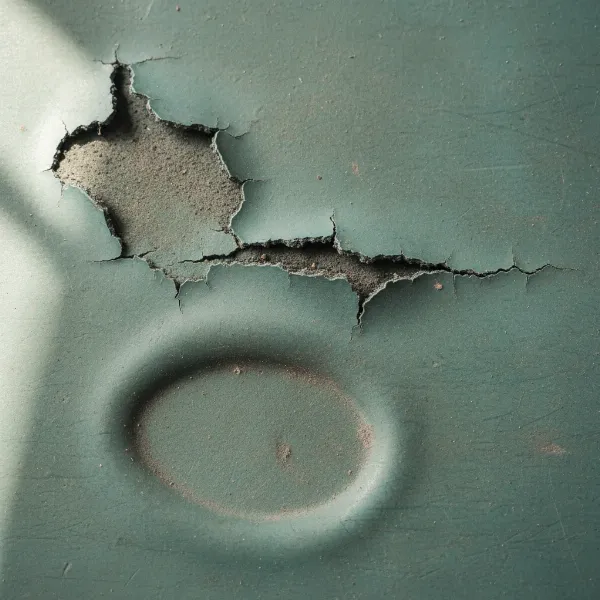 Close-up image of a yoga mat showing severe wear, including cracks, peeling, and thin spots.
The Case for Second-Hand Mats: Benefits and Considerations
Despite the potential pitfalls, there are compelling reasons why many yogis consider buying used mats. It’s a choice that reflects a growing awareness of environmental impact and the desire for accessibility in practice.
Opting for a pre-loved yoga mat is a fantastic way to support environmental sustainability. It contributes to reducing waste that would otherwise end up in landfills, especially given that some mat materials, like PVC, are notoriously difficult to recycle. This eco-conscious decision saves on the resources and energy required to manufacture new mats, including plastic packaging and shipping.
Furthermore, buying second-hand can be a significant cost-saver, allowing practitioners to acquire quality yoga equipment on a budget. This financial benefit might enable someone to afford a more premium, durable mat that would be out of reach at its new price, thus improving their practice experience without a hefty investment.
Your Due Diligence: What to Check Before Buying a Used Yoga Mat
Making an informed purchase of a used yoga mat requires a thorough inspection. While the environmental and financial benefits are appealing, your health and safety should remain paramount.
When inspecting a second-hand yoga mat, a keen eye for detail is essential. Begin with a comprehensive visual check for any visible signs of physical damage, such as cracks, tears, peeling, or fraying edges. Uneven surfaces or areas with permanent indentations indicate a loss of cushioning and support, which could lead to discomfort or injury. Pay close attention to discoloration, as it can be a sign of material degradation due to sun exposure or harsh cleaning agents.
Next, perform a tactile assessment to evaluate the mat’s performance. Check the grip and texture by pressing your hands and feet onto the surface to ensure it still provides adequate stability and prevents slipping during poses. Some mats, like cork, become grippier when slightly damp, while rubber often has a naturally sticky texture. The mat’s thickness is also crucial; ensure it offers sufficient cushioning for your joints, especially if you have sensitive knees or wrists.
An often-overlooked but critical check is the mat’s odor. A persistent, unpleasant smell, even if the mat appears clean, strongly suggests that bacteria, sweat, and dirt have deeply permeated the material and may be difficult to remove. Finally, if possible, try to identify the mat’s material. This information is vital for understanding proper cleaning methods and assessing potential toxicities, particularly if it’s made from PVC. If the material is unknown or the mat has a strong chemical smell, it’s a significant red flag.
Deep Cleaning Your Used Yoga Mat: A Step-by-Step Guide
If you decide to purchase a used yoga mat, a thorough deep cleaning and disinfection process is non-negotiable. This goes beyond a simple wipe-down and is crucial to ensure hygienic practice.
Understanding Cleaning vs. Disinfecting
It’s important to differentiate between cleaning and disinfecting. Cleaning removes germs, dirt, and impurities from surfaces, while disinfecting kills germs. For a used yoga mat, you’ll want to do both. Experts recommend cleaning your mat after every practice, but occasional disinfection is necessary to eliminate stubborn microbes.
DIY Disinfecting Solutions
Several effective and safe DIY solutions can be used for deep cleaning your yoga mat:
- White Vinegar and Water: A common and effective solution is a mixture of one part white vinegar to three parts water, or even equal parts for a stronger effect. White vinegar has natural antibacterial properties.
- Tea Tree Oil: Adding a few drops of tea tree oil to your vinegar-water solution can boost its efficacy, as tea tree oil is a natural antimicrobial and antifungal. However, note that PU (polyurethane) mats can be stained by oils, so avoid it for this material.
- Hydrogen Peroxide: A solution of hydrogen peroxide mixed with water (or even a few drops of dish soap) can act as a powerful disinfectant. Be cautious with the amount of dish soap, as too much can leave a slippery film.
Step-by-Step Cleaning Process
- Spritz and Soak: Spray your chosen solution generously over the entire surface of the mat until it is visibly wet. For deep cleaning, let the solution sit for 2-3 minutes to allow it to penetrate and kill germs.
- Scrub Thoroughly: Using a clean microfiber cloth, the soft side of a sponge, or an old cotton t-shirt, gently but firmly scrub the entire mat surface. Ensure you apply pressure to remove dirt and grime. Don’t forget to clean both sides of the mat, as microbes can transfer.
- Rinse Completely: Rinse the mat thoroughly with warm, clean water to remove any residual cleaning solution. This is crucial to prevent a slippery surface.
- Air Dry: Lay the mat flat or hang it over a sturdy shower rod in a cool, well-ventilated area to air dry completely. Avoid direct sunlight, which can cause fading and material degradation. Rolling up a damp mat can lead to mold and persistent odors.
Material-Specific Cleaning Notes
- Closed-Cell Mats (PVC, TPE, some natural rubber): These mats are less absorbent, making surface cleaning highly effective. The materials prevent moisture from soaking in, so they are generally easier to disinfect thoroughly.
- Open-Cell Mats (some PU and natural rubber): Designed to absorb moisture for increased grip when wet, these mats require more meticulous cleaning. Because they are absorbent, ensuring complete drying is paramount to prevent mildew and odor. Avoid oil-based cleaners for PU mats to prevent staining.
When to Say No: Red Flags for Used Yoga Mats
While the thought of saving money and helping the planet with a used yoga mat is appealing, some red flags indicate that a mat is simply not worth the risk. Your safety and hygiene should always come first.
- Severe Wear and Tear: If a mat shows significant signs of degradation like deep cracks, large peeling areas, or permanent indentations that affect its thickness, it’s a clear indication that it can no longer provide adequate support or grip. Using such a mat compromises your stability and increases the risk of injury.
- Persistent, Strong Odors: A strong, lingering smell, even after initial cleaning attempts, suggests that bacteria, fungi, or chemicals have deeply embedded themselves into the mat’s material. These odors are not only unpleasant but are also indicators of unsanitary conditions that are likely impossible to fully sanitize.
- Unknown or Questionable Material: If you cannot ascertain the mat’s material, especially if it feels overly synthetic or has a strong chemical scent, it’s best to avoid it. PVC mats, for instance, pose significant health concerns due to toxic chemical leaching.
- Compromised Safety Features: If the mat’s grip is completely gone, making it slippery, or if its cushioning is so diminished that you feel the hard floor beneath you, it’s no longer safe for practice. The primary function of a yoga mat is to provide a stable, cushioned surface.
Conclusion
The decision to buy a used yoga mat involves a delicate balance between cost savings, environmental responsibility, and personal well-being. While the allure of a pre-loved mat is strong, it’s crucial to approach such a purchase with a critical eye, prioritizing hygiene and safety above all else. By diligently inspecting the mat for signs of wear and tear, understanding its material composition, and committing to a rigorous deep-cleaning process, you can mitigate many of the associated risks. Remember, a yoga mat is an intimate extension of your practice, and its condition directly impacts your comfort, stability, and health.
Ultimately, whether a used yoga mat is hygienic and safe depends on its original condition, its material, and the thoroughness of your cleaning efforts. Do the benefits of a second-hand mat outweigh the potential risks for you?
Frequently Asked Questions
Can you really disinfect a used yoga mat completely?
While thorough cleaning with disinfecting solutions like white vinegar, hydrogen peroxide, or tea tree oil can kill most surface germs, deeply embedded bacteria and fungi in porous materials might be difficult to eradicate completely. The extent of disinfection also depends on the mat’s material (closed-cell mats are easier to disinfect than open-cell ones) and its overall condition.
What are the most hygienic yoga mat materials?
Mats made from closed-cell materials like TPE (Thermoplastic Elastomer) or some types of natural rubber tend to be more hygienic as they do not absorb sweat and bacteria into the mat’s core, making surface cleaning more effective. Materials like cork, known for their antimicrobial properties, can also be a good choice.
How often should I clean a used yoga mat?
For optimal hygiene, it’s recommended to wipe down your yoga mat after every practice, especially if it’s a used one. A deeper clean with a disinfecting solution should be performed regularly, ideally once a week or more frequently if you practice hot yoga or sweat heavily.
Are there eco-friendly alternatives to buying used mats?
Yes, if you prefer not to buy used, many brands offer new Yoga Mats made from sustainable and eco-friendly materials such as natural rubber, cork, jute, or recycled materials. These options allow you to support environmental efforts without compromising on personal hygiene or safety.