Stepping onto a brand-new Manduka PRO yoga mat is an exciting moment for any yogi, promising durability and support for years to come. However, many practitioners quickly discover an unexpected challenge: initial slipperiness. Don’t worry, this isn’t a defect; it’s a completely normal part of owning a Manduka PRO mat, designed for longevity and a unique break-in journey. This guide delves into the renowned salt scrub method, a popular technique to accelerate your mat’s grip, along with essential care tips to ensure your Manduka PRO becomes your most reliable practice partner.
Understanding Your New Manduka PRO Mat’s Grip
When you first unroll a Manduka PRO mat, you might notice its surface feels a bit slick. This is due to a microscopic, invisible production film on its closed-cell PVC material. This advanced construction makes the mat incredibly durable and hygienic, preventing sweat and bacteria from seeping in, but it also means the surface is quite dense and smooth right out of the box. Think of it like a new pair of shoes or raw denim jeans; they need time and consistent use to conform and become truly comfortable. The break-in period is essentially about creating microscopic abrasions on the surface, wearing down this initial layer to unlock the mat’s inherent stickiness and provide superior traction for your practice.
While a natural break-in through consistent practice will eventually remove this film, it can take anywhere from one to three months, depending on the frequency and intensity of your yoga sessions. For those eager to experience optimal grip sooner, the salt scrub method offers a highly effective shortcut.
The Salt Scrub Method: A Step-by-Step Guide
The salt scrub method is akin to a gentle exfoliation for your yoga mat, designed to quickly wear down the initial smooth layer and enhance its grippiness. This process is specifically recommended for Manduka PRO series mats, which are made from closed-cell PVC.
What You’ll Need:
- Coarse Sea Salt: A generous amount is needed. Coarse sea salt is preferred for its abrasive texture, but table salt can also be used.
- Damp Cloth or Sponge: For gently rubbing the salt into the mat.
- Water: For rinsing the mat thoroughly after the scrub.
- A Space to Air Dry: Outdoors or a well-ventilated indoor area.
|
Our Picks for the Best Yoga Mat in 2026
As an Amazon Associate I earn from qualifying purchases.
|
||
| Num | Product | Action |
|---|---|---|
| 1 | Amazon Basics Extra Thick Exercise Yoga Mat with Carrying Strap |

|
| 2 | Amazon Basics 1/4 Inch Thick TPE Exercise Yoga Mat with Carrying Strap |
|
| 3 | Retrospec Solana Yoga Mat 1/2" Thick w/Nylon Strap for Men & Women - Non Slip Excercise Mat for Yoga, Pilates, Stretching, Floor & Fitness Workouts |
|
| 4 | Amazon Basics Extra Thick Exercise Yoga Mat with Carrying Strap |
|
| 5 | Retrospec Solana Yoga Mat 1" Thick w/Nylon Strap for Men & Women - Non Slip Exercise Mat for Home Yoga, Pilates, Stretching, Floor & Fitness Workouts |
|
| 6 | Retrospec Solana Yoga Mat 1" Thick w/Nylon Strap for Men & Women - Non Slip Exercise Mat for Home Yoga, Pilates, Stretching, Floor & Fitness Workouts |
|
| 7 | MICRODRY Deluxe Fitness Exercise Yoga Mat for Home & Gym, Extra Thick for High Impact Training, Multi Layered Skid Resistant Surface, Odor Neutralizing with Carrying Strap |
|
| 8 | Amazon Basics Extra Thick Exercise Yoga Mat with Carrying Strap |
|
| 9 | CAP Barbell High Density Exercise Yoga Mat with strap, 68"x24"x 1/2" - Sage Green |
|
| 10 | Gruper Yoga Mat Non Slip, Eco Friendly Fitness Exercise Mat with Carrying Strap,Pro Yoga Mats for Women,Workout Mats for Home, Pilates and Floor Exercises |
|
The Process:
- Prepare Your Mat: Lay your Manduka PRO mat flat on a clean, hard surface, such as a floor or table. Ensure the side with the small frog logo (the top surface you practice on) is facing up.
- Apply the Salt: Liberally sprinkle coarse sea salt evenly over the entire top surface of your mat. You want a visible layer, ensuring complete coverage. Avoid using salts with added oils or fragrances, as these can leave a residue that compromises grip.
- Let It Sit: Allow the salt to sit on the mat for 12 to 24 hours. This duration gives the salt time to interact with the mat’s surface, helping to break down the production film.
- Scrub the Mat: After the waiting period, take a damp cloth or sponge. Lightly moisten the mat’s surface with a bit of water, then begin to rub the salt into the mat using firm, circular motions. Imagine you are exfoliating the mat’s skin; focus on creating friction across the entire surface.
- Rinse Thoroughly: Once you’ve scrubbed the entire mat, rinse it thoroughly with clean water. Ensure all salt residues are completely washed away. You can do this with a hose outdoors, in a shower, or with a clean, wet cloth, repeatedly wiping until no salt remains.
- Air Dry Completely: Hang your mat to air dry in a well-ventilated area, away from direct sunlight. It’s crucial that the mat is completely dry before you roll it up or use it to prevent mold or mildew.
Important Note: The salt scrub method is exclusively for Manduka PRO, PROlite, and PRO Travel mats. Do NOT use this method on Manduka eKO series mats, as these are made from natural rubber and can be damaged by salt.
Benefits and Limitations of the Salt Scrub
Understanding both the advantages and disadvantages can help you decide if the salt scrub is the right approach for your new Manduka PRO mat.
Benefits:
- Accelerated Break-In: The primary advantage is significantly speeding up the mat’s break-in period, getting you to optimal grip much faster than relying solely on practice.
- Improved Grip: Users often report a noticeable increase in traction and reduced slippage after a successful salt scrub, allowing for a more stable and confident practice.
- Cost-Effective: Coarse sea salt is an inexpensive household item, making this a budget-friendly way to enhance your mat’s performance.
Limitations:
- Can Be Messy: The process of sprinkling, scrubbing, and rinsing salt can be somewhat messy, requiring a dedicated space and careful cleanup.
- May Require Repetition: For some mats or individuals, a single salt scrub might not be enough. You might need to repeat the process 2-3 times to achieve the desired level of grip.
- Not a Substitute for Practice: While it accelerates break-in, the best way for your mat to truly adapt to your practice and body over time is through consistent use. The salt scrub is a kick-start, not a replacement for regular yoga.
- Mat-Specific: This method is only suitable for Manduka PRO series mats made of closed-cell PVC. Applying it to other mat types, especially natural rubber (e.g., Manduka eKO), can cause damage.
“The salt scrub method effectively jumpstarts the Manduka PRO mat’s grip by abrading the factory finish, but remember, the mat truly comes alive with consistent practice and personal use.” – Nicholas Hyde, Yoga Mat Specialist
Alternatives to the Salt Scrub for Enhanced Grip
While the salt scrub is effective, it’s not the only path to a grippy Manduka mat. Several other strategies can help you maintain stability during your practice, especially during the initial break-in period.
- Consistent Practice: The most natural way to break in your Manduka PRO mat is simply to use it regularly. The friction from your hands and feet during your yoga sessions will gradually wear down the surface film and improve grip over time. This method, though slower, allows the mat to adapt uniquely to your body and practice.
- Yoga Towels: A performance hand towel or a full-length yoga mat towel can provide an immediate non-slip surface. Manduka offers eQua® and yogitoes® towels, specifically designed to absorb sweat and increase grip, particularly useful for hot yoga or if you tend to sweat a lot.
- Grip Aids: Products like Manduka Yoga Grip Gel or TRIBE Get A Grip Powder can be applied directly to your hands to create a moisture barrier and enhance traction, especially for those with dry hands or during initial slippage.
- Focus on Core Engagement and Alignment: Sometimes, slippage can be mitigated by refining your technique. Engaging your core muscles and focusing on proper weight distribution in poses can improve stability and reduce reliance on your mat’s grip alone.
- Lightly Spritzing Water: For closed-cell mats that don’t absorb sweat, a very light spray of water on areas where your hands and feet are placed can sometimes activate the surface and improve grip. Be cautious not to oversaturate the mat.
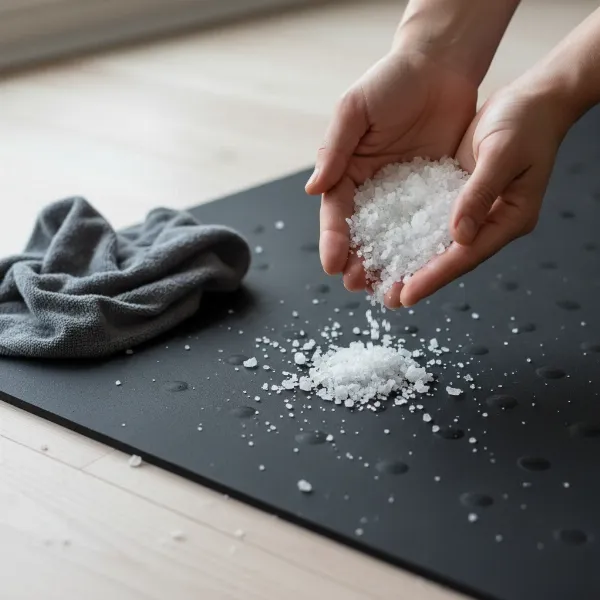 A person applying coarse sea salt to a Manduka yoga mat on a wooden floor, with a damp cloth nearby, ready for the scrub method.
Maintaining Your Manduka Mat’s Longevity and Grip
Beyond the break-in process, proper care is crucial to ensure your Manduka PRO mat remains a supportive and grippy foundation for your practice for years to come.
Identifying the Correct Mat Side
Always use the side of your Manduka PRO mat that features the small frog logo in the corner. This is the textured surface specifically designed to provide optimal grip during your practice. The smoother, dotted underside is intended to keep the mat from sliding on the floor. Using the wrong side will significantly impact your stability.
Preventing Mat Curling
New mats can sometimes have a tendency to curl at the ends. To combat this:
- Reverse Rolling: When you finish your practice, roll your mat with the top (frog logo) side facing outwards. This helps counteract the natural curl tendency.
- Weight It Down: After reverse rolling, lay the mat flat and place heavy books or weights on the corners for a few hours to help it settle.
- Warmth: Storing the mat in a moderately warm room can make it more pliable, but avoid direct sunlight or extreme heat which can damage the material.
Cleaning Practices
Regular cleaning is vital to maintain grip and hygiene:
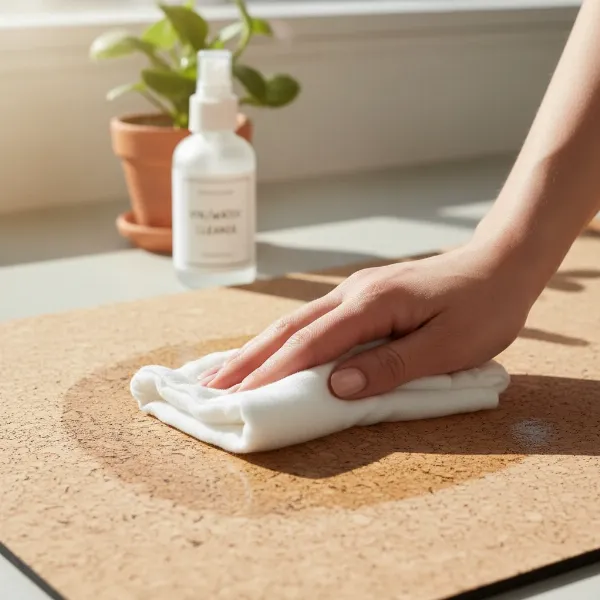
- Daily Refresh: After each practice, wipe down your mat with a clean, damp cloth to remove sweat and light dirt.
- Thorough Cleaning:Avoid harsh chemicals, abrasive scrubbers, or detergents, as these can degrade the PVC material, leading to stiffness and loss of grip, and potentially voiding the lifetime guarantee. Always test any new cleaner on a small, inconspicuous area first.
Impact of Lotions and Oils on Grip
Lotions, body oils, and even some sunscreens can transfer from your skin to your mat, creating a slick barrier that compromises grip. Always wash your hands and feet thoroughly before practice if you’ve applied these products. If you use them regularly, consider more frequent mat cleaning or using a yoga hand towel to protect the mat’s surface.
Understanding Closed-Cell Surface Behavior
The closed-cell nature of Manduka PRO mats means they repel moisture rather than absorbing it. While excellent for hygiene, this means sweat will sit on the surface. If you experience excessive sweating, investing in a high-quality yoga towel designed to wick away moisture will be more effective than relying on the mat to absorb it.
Conclusion
Breaking in your new Manduka PRO mat, whether through consistent practice or the accelerating salt scrub method, is an integral part of making it truly yours. The initial slipperiness is a temporary phase, a small investment of patience for a mat designed to be a lifetime companion. By understanding the material, diligently applying the salt scrub if desired, and committing to thoughtful care, you’ll unlock the full potential of your Manduka PRO mat—a steadfast foundation for every downward dog and warrior pose. Embrace this process, and soon you’ll experience the unmatched grip and support that makes Manduka a beloved choice among yogis worldwide. How will you begin your Manduka PRO mat’s break-in journey?
Frequently Asked Questions
Why does my new Manduka PRO mat feel so slippery?
New Manduka PRO mats are made with a closed-cell PVC material that has an invisible production film on its surface, which needs to be worn off through use or accelerated methods like the salt scrub to achieve optimal grip.
What kind of salt should I use for the salt scrub method?
Coarse sea salt is highly recommended due to its abrasive texture. Table salt can also be used, but ensure it does not contain any added oils or fragrances, as these can leave unwanted residue on your mat.
Can I skip the salt scrub and still break in my Manduka mat?
Yes, absolutely. The most natural way to break in your Manduka PRO mat is through consistent practice. Over time, the friction from your hands and feet will naturally wear down the surface, improving grip, though this process can take 1-3 months.
How often should I perform the salt scrub on my Manduka mat?
You can perform the salt scrub at least twice in the first month of use, or as needed, until you achieve the desired level of grip. Some practitioners find one application sufficient, while others may repeat it a few times.
Can the salt scrub method damage my Manduka mat?
When performed correctly on Manduka PRO series mats, the salt scrub method is safe and endorsed by Manduka to help break in the mat. However, it should never be used on natural rubber mats, such as Manduka’s eKO series, as it can cause damage.