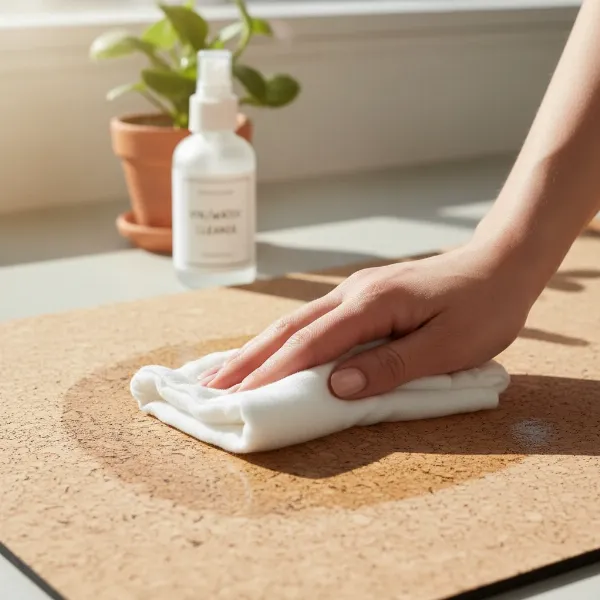
Your yoga mat is more than just a piece of equipment; it’s the foundation of your practice, providing essential stability, comfort, and hygiene. But like any tool used regularly, it won’t last forever. Over time, consistent use, sweat, and friction take their toll, leading to wear and tear that can compromise your practice and even your safety. Understanding when to replace your yoga mat is crucial for maintaining an effective and injury-free yoga journey. This guide will walk you through the undeniable signs that signal it’s time to say goodbye to your old mat and invest in a fresh, supportive surface for your poses.
The Lifespan of Your Yoga Mat: What to Expect
The longevity of a yoga mat isn’t a one-size-fits-all answer. Generally, most yoga mats are recommended for replacement every one to two years with regular use. However, this timeframe can vary significantly depending on several factors, including the mat’s quality, the frequency and intensity of your practice, the type of yoga you engage in, and how diligently you maintain it.
For instance, if you practice vigorous styles like Bikram or Vinyasa several times a week, your mat will likely wear out faster than if you primarily use it for gentle restorative yoga. High-quality mats made from durable materials like PVC or natural rubber can sometimes last much longer, with some practitioners reporting good performance for three to seven years or more with proper care. Cheaper, less durable mats might show signs of wear within six to twelve months of intensive use. Paying attention to these variables and your mat’s condition, rather than just the calendar, is key to knowing its true lifespan.
Why Replacing Your Yoga Mat Matters for Your Practice
Continuing to use a worn-out yoga mat might seem harmless, but it can negatively impact your practice in several critical ways. Firstly, and most importantly, it poses a significant safety risk. A mat that has lost its grip or cushioning can lead to slips, falls, and unnecessary strain on your joints, potentially causing injuries. Secondly, hygiene becomes a concern; an old mat can become a breeding ground for bacteria and fungi, even with regular cleaning, leading to unpleasant odors and potential skin issues.
Beyond safety and cleanliness, a deteriorating mat can hinder your performance and comfort. Uneven padding or a lack of support can make certain poses uncomfortable or unstable, forcing you to compensate and potentially develop bad habits. Investing in a new mat ensures you have a reliable, supportive, and hygienic surface, allowing you to focus on your breath and alignment without distractions or worries.
5 Undeniable Signs It’s Time for a New Yoga Mat
Recognizing the subtle and not-so-subtle cues your mat gives you is essential. Here are five clear indicators that it’s time to replace your yoga mat.
1. Loss of Grip and Stickiness
|
Our Picks for the Best Yoga Mat in 2026
As an Amazon Associate I earn from qualifying purchases.
|
||
| Num | Product | Action |
|---|---|---|
| 1 | MICRODRY Deluxe Fitness Exercise Yoga Mat for Home & Gym, Extra Thick for High Impact Training, Multi Layered Skid Resistant Surface, Odor Neutralizing with Carrying Strap |

|
| 2 | Amazon Basics Extra Thick Exercise Yoga Mat with Carrying Strap |
|
| 3 | Retrospec Solana Yoga Mat 1" Thick w/Nylon Strap for Men & Women - Non Slip Exercise Mat for Home Yoga, Pilates, Stretching, Floor & Fitness Workouts |
|
| 4 | Retrospec Solana Yoga Mat 1/2" Thick w/Nylon Strap for Men & Women - Non Slip Excercise Mat for Yoga, Pilates, Stretching, Floor & Fitness Workouts |
|
| 5 | Amazon Basics Extra Thick Exercise Yoga Mat with Carrying Strap |
|
| 6 | Gruper Yoga Mat Non Slip, Eco Friendly Fitness Exercise Mat with Carrying Strap,Pro Yoga Mats for Women,Workout Mats for Home, Pilates and Floor Exercises |
|
| 7 | Amazon Basics 1/4 Inch Thick TPE Exercise Yoga Mat with Carrying Strap |
|
| 8 | CAP Barbell High Density Exercise Yoga Mat with strap, 68"x24"x 1/2" - Sage Green |
|
| 9 | Retrospec Solana Yoga Mat 1" Thick w/Nylon Strap for Men & Women - Non Slip Exercise Mat for Home Yoga, Pilates, Stretching, Floor & Fitness Workouts |
|
| 10 | Amazon Basics Extra Thick Exercise Yoga Mat with Carrying Strap |
|
One of the most crucial functions of a yoga mat is to provide a non-slip surface, keeping you stable and preventing injuries, especially in challenging poses. If you find your hands or feet consistently sliding during downward dog, warrior poses, or other stances, your mat has likely lost its essential grip. This can be incredibly frustrating and, more importantly, dangerous. The textured surface of the mat, designed to create friction, wears down over time, reducing its ability to anchor you firmly. Test your mat by performing a few basic poses; if you’re expending extra effort just to stay put, it’s a clear sign.
2. Visible Deterioration: Fraying, Flaking, and Holes
Take a close look at your mat. Do you see small bits or pieces of the mat shedding onto the floor after practice? Are there visible bald spots where the texture has completely worn away, particularly where your hands and feet frequently land? Perhaps the edges are fraying, or small tears and holes are beginning to appear. These are all definitive signs of material breakdown. Not only do these imperfections make your mat look unappealing, but they also indicate a compromise in its structural integrity, reducing its overall effectiveness and comfort.
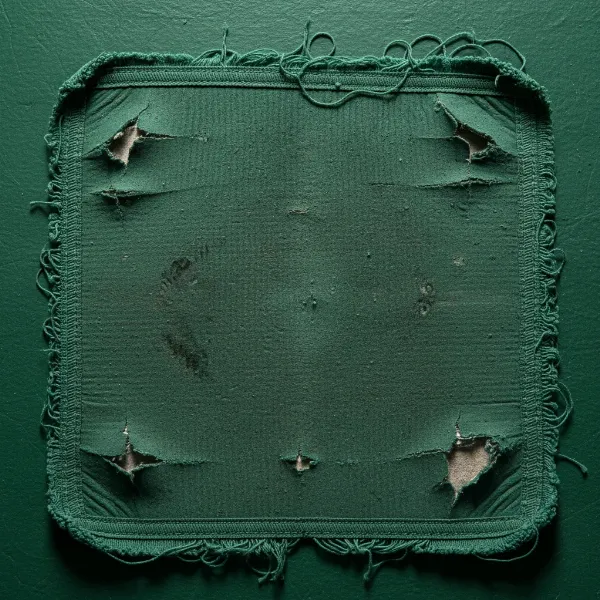 A close-up image showing a yoga mat with visible signs of wear and tear, including frayed edges, small tears, and bald spots where the material has worn thin. The mat should appear well-used and aged.
3. Diminished Cushioning and Support
Yoga mats provide cushioning to protect your joints from the hard floor, offering comfort and support during kneeling, seated, and balancing poses. If you start to feel the floor more acutely, or experience discomfort or pain in your wrists, knees, or ankles that wasn’t there before, your mat’s padding has likely compressed and lost its cushioning ability. You might also notice uneven spots or depressions in the mat where it has thinned out. This lack of support can lead to strain and injury, making your practice less enjoyable and potentially harmful.
4. Persistent and Unpleasant Odor
Despite your best efforts at cleaning, does your yoga mat still carry a persistent, unpleasant odor? This “weird smell” is a strong indicator of bacteria, fungi, and sweat that have become deeply embedded in the mat’s material. While regular cleaning helps, over time, these microorganisms can establish themselves within the mat’s porous surface, making it impossible to truly sanitize. An unshakeable odor doesn’t just make your practice unpleasant; it also signifies an unhygienic surface that could contribute to skin irritations or infections. If it stinks “worse than a sweaty sock,” it’s definitely time for a new one.
5. Changes in Texture and Resilience
Beyond visible tears, notice if the overall texture or feel of your mat has changed significantly. Has it become noticeably harder, stiffer, or brittle compared to when it was new? Does it no longer “spring back” when pressed, indicating a loss of its original resilience? This change in texture can also manifest as excessive slipperiness or a mat that just feels “dead” or lifeless underfoot. While not always as obvious as a hole, a mat that has lost its original pliability and texture is no longer providing optimal performance or comfort, suggesting its material integrity has degraded.
Extending Your Yoga Mat’s Life: Care and Maintenance
While replacement is inevitable, you can significantly prolong your mat’s useful life with proper care. Always clean your mat regularly, especially after sweaty sessions, using a specialized yoga mat cleaner or a gentle solution of water and mild soap. Avoid harsh chemicals that can break down the mat’s material. When storing, roll your mat loosely (rather than folding) to prevent creasing and stress points. Keep it out of direct sunlight, which can dry out and degrade materials over time. Using a yoga towel on top of your mat can also absorb sweat and reduce direct wear, adding an extra layer of protection.
Choosing Your Next Mat: Smart Replacement Considerations
When the time comes to purchase a new mat, consider what aspects of your previous mat worked well and what didn’t. Prioritize durability, grip, and adequate cushioning based on your specific practice style. Natural rubber and PVC mats are often praised for their longevity and grip, while TPE offers a good balance of eco-friendliness and performance. Think about the thickness that best suits your body and practice – thinner mats offer more stability for balancing, while thicker ones provide greater joint protection. Ultimately, selecting a quality mat that aligns with your needs is an investment in your well-being and consistent yoga practice.
Conclusion
Your yoga mat is a silent partner in your practice, supporting every pose and transition. Recognizing the signs of wear and knowing when to replace your yoga mat is crucial for both your safety and the quality of your experience. From a persistent lack of grip to visible damage, diminished cushioning, stubborn odors, and changes in texture, these indicators all point to a single truth: your mat has served its purpose and it’s time for an upgrade. Don’t compromise your practice or risk injury by holding onto a mat past its prime. By understanding these signs and making a timely replacement, you ensure that your foundation remains strong, hygienic, and perfectly suited for your continued yoga journey. When was the last time you truly assessed the condition of your yoga mat?
Frequently Asked Questions
How often should a yoga mat be replaced?
Most yoga mats should be replaced every 1 to 2 years, especially with regular use. However, this timeframe can be shorter for intensive daily practice (e.g., 6-12 months) or longer for high-quality mats with proper care (e.g., 3-7+ years). Always prioritize the mat’s condition over a strict timeline.
Can a slippery yoga mat be fixed?
Sometimes, a new slippery mat can be made less slippery by breaking it in or cleaning off manufacturing residues. However, if a mat has become consistently slippery due to wear and tear, indicating a loss of its original grip and texture, it usually cannot be effectively “fixed” and should be replaced for safety.
What happens if I don’t replace my yoga mat?
Not replacing a worn-out Yoga Mat can lead to increased risk of slips and falls, causing injuries like sprains or strains. It can also result in joint pain due to inadequate cushioning, expose you to bacteria and fungi leading to skin issues and unpleasant odors, and ultimately hinder your ability to comfortably and effectively perform yoga poses.
How can I tell if my mat has lost its cushioning?
You can tell your mat has lost its cushioning if you start to feel the hard floor more directly under your joints (knees, wrists, hips) during poses that previously felt comfortable. Uneven padding, visible depressions, or a general feeling of less support and comfort compared to when the mat was new are also strong indicators.