So, you’ve invested in a great yoga mat. It’s your sacred space for Downward Dogs and Savasanas. But as you look to broaden your fitness horizons, a nagging question pops up: Can A Yoga Mat Be Used For Other Exercises? It’s a fantastic question, and one we hear all the time. After all, it’s a mat, right? You roll it out, you work out on it, you roll it up. Simple. Well, the long and short of it is: yes, but with some big-time caveats. Think of it like this: you could use a high-end chef’s knife to chop firewood, but it’s not going to be great for the knife… or your firewood. Your yoga mat is a specialized piece of equipment, and understanding its design is key to knowing when to use it and when to leave it rolled up.
As your dedicated guides here at Yoga Mat Go, we’re going to break it all down. We’ll dive into the nitty-gritty of what makes your yoga mat unique and which workouts are a green light, a yellow light, or a definite red light. Let’s get into it.
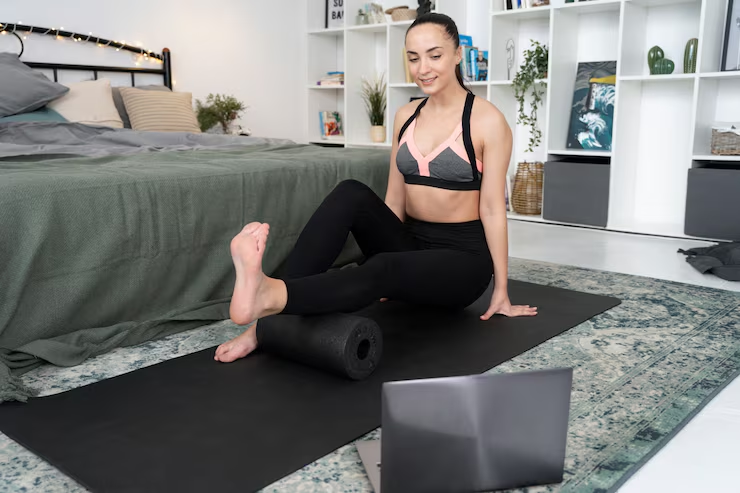
The Heart of the Matter: What Makes a Yoga Mat a Yoga Mat?
To understand a yoga mat’s versatility, we first need to appreciate its purpose-built design. It’s not just a slab of foam; it’s engineered for the specific demands of yoga, focusing on three key things: grip, density, and material.
That Unbeatable Grip (The “Stickiness” Factor)
The number one job of a yoga mat is to keep you from sliding around as you flow from one pose to another. That “sticky” feeling, especially on materials like PVC or PU-coated rubber, is intentional. It provides the traction your hands and feet need to hold poses like Warrior II or Downward-Facing Dog without slipping, even when you start to sweat.
- PVC (Polyvinyl Chloride): The classic “sticky mat.” Inexpensive and durable, it offers excellent grip but isn’t the most eco-friendly option.
- Natural Rubber: A favorite for its superior, almost magnetic grip. It’s eco-friendly but can be heavier and has a distinct rubbery smell initially.
- TPE (Thermoplastic Elastomer): A man-made blend that’s more eco-friendly than PVC. It offers good grip and cushion and is lightweight, but can be less durable over time.
- Cork: Naturally antimicrobial and provides incredible grip that increases with sweat. A fantastic, sustainable choice.
This grip is designed for bare skin. Introduce the heavy tread of sneakers, and you’ve got a whole different ball game.
Thickness and Density: The Balancing Act
Yoga mats typically range from 3mm to 6mm thick. This might seem thin compared to a plush gym mat, but it’s by design.
“In yoga, your connection to the floor is paramount for balance,” explains renowned yoga instructor, Elena Carter. “A mat that’s too thick and squishy feels like trying to do a tree pose on a mattress. You lose stability, which is not only frustrating but can also be unsafe.”
A standard yoga mat provides just enough cushion to protect your joints on a hard floor without sacrificing that crucial connection to the ground.
Bảng trống.Material and Durability: Built for Flow, Not Fury
The materials we discussed above are chosen for their ability to withstand the pressure of hands, feet, and gentle, flowing movements. They are not designed to handle the impact of jumping, the abrasion from shoes, or the concentrated pressure of heavy dumbbells. The “cells” of the foam—whether open-cell (more absorbent, grippier) or closed-cell (less absorbent, more durable)—are optimized for yoga practice, not a high-intensity boot camp.
The Workout Showdown: Which Exercises Are Yoga Mat-Friendly?
Okay, let’s get practical. You’re ready to sweat, and your yoga mat is sitting right there. Here’s a breakdown of which exercises get a green, yellow, or red light for using your yoga mat.
## Green Light: Go for It!
These exercises share similar demands with yoga, making your mat a perfect partner.
Pilates
Pilates and yoga are close cousins. Both are low-impact and focus on core strength, flexibility, and controlled movements on the floor. A yoga mat’s cushion and grip are ideal for roll-ups, the hundred, and other mat-based Pilates exercises. You’re good to go!
Bodyweight Core Work and Stretching
This is another perfect use case. For exercises like planks, crunches, bridges, leg lifts, and post-workout stretching, a yoga mat is fantastic. It provides a clean, comfortable, and cushioned surface to protect your spine and joints from a hard floor.
## Yellow Light: Proceed with Caution
For these workouts, using a yoga mat for other exercises is possible, but you need to be mindful of its limitations.
Bodyweight Strength Training (No Shoes)
Doing push-ups, squats, and lunges in your bare feet or socks? Your yoga mat can work in a pinch. It offers a nice padded surface. However, be aware of two things:
- Stability: For standing exercises like squats, a thicker, spongier mat can challenge your balance.
- Sweat: Intense, sweaty sessions can make some mats (especially entry-level PVC ones) slippery and dangerous. A mat with a polyurethane (PU) top layer or a cork mat handles sweat much better. You can also lay a yoga towel over your mat.
Light Dumbbell Work
If you’re doing floor exercises like dumbbell presses or skull crushers with light weights, your yoga mat is generally fine. The main warning here: never drop the weights on your mat. The concentrated impact can easily tear, dent, or permanently damage the material.
## Red Light: Please Don’t Do It
Using your yoga mat for these exercises is a recipe for a ruined mat and potential injury.
HIIT, Plyometrics, and Cardio with Shoes
This is the number one enemy of a yoga mat. Here’s why:
- Sneakers Shred Mats: The abrasive soles of your training shoes will literally tear and grind away at the delicate surface of your mat, especially softer materials like TPE or natural rubber.
- You Will Slip: Yoga mats are designed for the grip of bare feet. The combination of shoe soles and a sweaty mat surface creates a dangerously slick situation, increasing your risk of a fall during burpees or jumping jacks.
- It’s Not Enough Cushion: A 5mm yoga mat does not offer enough shock absorption for high-impact movements. You’re not protecting your joints, and you’re bottoming out to the hard floor underneath.
Heavy Weightlifting
Using a yoga mat for heavy deadlifts or setting up for a bench press is a bad idea. The mat will compress under the heavy load, creating an unstable surface that compromises your form and increases your risk of injury. Plus, an accidental drop of a heavy plate will destroy it instantly.
What’s the Alternative? The Fitness Mat
So, if you can’t use your yoga mat, what should you use? Enter the fitness mat or exercise mat. While they look similar, they are built differently.
| Feature | Yoga Mat | Fitness Mat |
|---|---|---|
| Primary Goal | Grip & Stability | Cushion & Shock Absorption |
| Typical Thickness | 3mm – 6mm | 10mm – 25mm (1/2″ to 1″) |
| Surface | “Sticky,” often textured | Durable, wipeable, shoe-resistant |
| Material | PVC, TPE, Rubber, Cork | High-density foam, NBR, Vinyl |
| Best For | Yoga, Pilates, Stretching | HIIT, P90X, General Fitness |
A proper fitness mat is designed to be used with shoes and to absorb the impact of jumping, protecting both your joints and your floor.
How to Clean Your Mat (If You Used It Anyway)
Let’s be real—sometimes you just have to use what you’ve got. If you did a non-yoga workout on your mat, it’s crucial to clean it properly right away, as the increased sweat and bacteria can degrade the material.
- Wipe It Down Immediately: Use a damp cloth to wipe away any sweat.
- Use a Mat Cleaner: Mix a few drops of gentle soap or a specialized yoga mat cleaner with water in a spray bottle.
- Spray and Wipe: Lightly mist the mat (don’t soak it) and wipe it clean with a soft cloth.
- Air Dry Completely: Hang your mat to dry somewhere out of direct sunlight before rolling it up. This prevents mildew and funky smells.
Frequently Asked Questions (FAQ)
Can I wear shoes on my yoga mat?
It’s highly discouraged. Shoes will quickly wear down and tear the surface of most yoga mats, which are designed for bare feet. It also creates a slipping hazard during dynamic movements.
What is the main difference between a yoga mat and an exercise mat?
The main difference lies in purpose and design. Yoga mats prioritize grip and a thin profile for stability in poses. Exercise mats prioritize thick cushioning and durability to absorb impact from high-intensity workouts and withstand shoes.
Will HIIT workouts ruin my yoga mat?
Yes, almost certainly. The combination of abrasive shoe soles and high-impact jumping movements will degrade the mat’s surface, reduce its lifespan, and can cause it to rip.
Is it safe to use my yoga mat for planks and sit-ups?
Absolutely. Planks, sit-ups, and other bodyweight core exercises are low-impact and a perfect use for your yoga mat’s cushioning and support.
How can I protect my yoga mat during a non-yoga workout?
If you must use it, workout in bare feet or socks, avoid any jumping or high-impact moves, and place a towel over the mat to absorb excess sweat and reduce friction.
The Final Verdict
So, can a yoga mat be used for other exercises? The answer is a qualified yes. It’s a fantastic tool for low-impact, floor-based exercises like Pilates and core work. But for anything involving shoes, jumping, or heavy weights, you’re not only risking the lifespan of your beloved mat but also your own safety.
Investing in the right tool for the job is always the best path. Your yoga mat is your partner for your yoga journey; treat it with care. And for those high-intensity days, a dedicated fitness mat will serve you, your joints, and your floor much better in the long run. Choose wisely, practice safely, and enjoy every moment of your movement.