Ever roll out your yoga mat and feel… nothing? It’s just a piece of rubber on the floor. But what if it could be more? Your yoga mat is your sacred space, your island in a sea of daily chaos. It’s where you sweat, struggle, breathe, and break through. So why shouldn’t it reflect you? That’s where the journey to finding the perfect Custom Design Yoga Mat begins. It’s not just about aesthetics; it’s about creating a tool that inspires you to show up, tune in, and transform. But with so many options out there, it can feel like you need a guru just to pick one. Don’t worry, we’ve got you. Let’s unroll the mystery together.
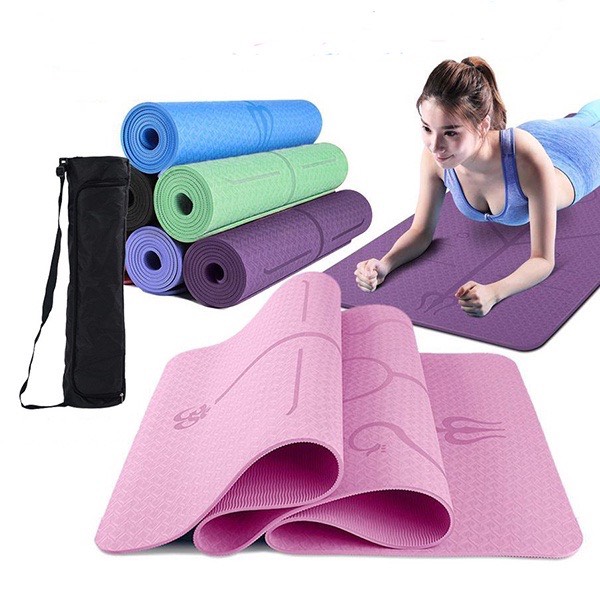
The Foundation of Your Flow: More Than Just a Mat
Before we dive into patterns and colors, let’s take a step back. The modern yoga mat is a relatively new invention, born in the late 20th century to prevent slipping on slick floors. Before that, yogis practiced on grass, earth, or simple rugs. The goal was connection—to the practice and to the ground beneath. Today, a high-quality mat serves that same purpose, but with the added benefits of hygiene, cushioning, and stability. Think of it as the foundation of a house. A shaky foundation makes for a wobbly structure, and a slippery, unsupportive mat makes for a distracted and potentially unsafe practice. Your mat is the one piece of equipment that’s with you for every Downward Dog and every Savasana. Making it your own is the ultimate act of commitment to your practice.
What’s Your Mat Made Of? A No-Nonsense Material Breakdown
Choosing the material for your custom design yoga mat is the most critical decision you’ll make. It affects everything: grip, durability, eco-friendliness, and how well your design will look and last. Let’s break down the main players.
PVC (Polyvinyl Chloride)
- The Lowdown: This is the classic, old-school “sticky mat.” It’s been around for decades for a reason. It’s incredibly durable, offers a decent grip that often improves with use, and it’s usually the most budget-friendly option.
- Pros: Extremely durable, easy to clean, excellent print surface for vibrant custom designs.
- Cons: Not eco-friendly (it’s a plastic), can be slippery when first used or when wet, and may contain chemicals like phthalates (look for phthalate-free versions!). It’s like the reliable but gas-guzzling sedan of yoga mats.
TPE (Thermoplastic Elastomer)
- The Lowdown: TPE is a man-made blend of rubber and plastic. It’s a step up from PVC in the eco-friendly department, as it’s often recyclable and made without harsh toxins. It’s lightweight and offers a nice, cushioned feel.
- Pros: More eco-friendly than PVC, lightweight, good cushioning, and typically hypoallergenic.
- Cons: Can be less durable than PVC or rubber; it might stretch a bit in dynamic poses.
Natural Rubber
- The Lowdown: Sourced from rubber trees, this is the go-to for many serious yogis. It offers an unparalleled, grippy-when-wet performance that’s a game-changer in a sweaty Vinyasa or hot yoga class.
- Pros: Superior non-slip grip, eco-friendly and biodegradable, durable.
- Cons: Can be heavy, may have a noticeable rubber smell initially (it fades!), and not suitable for those with latex allergies. A custom design yoga mat made of rubber often has a PU (polyurethane) top layer to absorb sweat and display the design.
“I always tell my students that your mat is your energetic anchor. A natural rubber mat has a grounding quality you can feel. When you add a personal design, it becomes a visual mantra, a focal point that brings you back to your intention every time your gaze falls upon it.” – Eliza Thorne, 500-hour Yoga Alliance Certified Instructor
Cork
- The Lowdown: Cork is a fantastic, sustainable material harvested from the bark of cork oak trees. It has a unique property: it gets grippier the more you sweat! It’s also naturally antimicrobial, which means it resists mold, mildew, and bad smells.
- Pros: Extremely eco-friendly, antimicrobial, amazing grip when wet, lightweight.
- Cons: Can be less cushioned than other materials, and might feel a bit dry and slippery at the very start of a non-sweaty practice. Custom designs are often laser-etched rather than printed, giving them a beautiful, natural look.
How to Choose Your Perfect Custom Design Yoga Mat
Okay, you know the materials. Now, let’s connect the dots to find your perfect match. It’s not about what’s “best,” it’s about what’s best for you.
What’s Your Yoga Style?
- For the Hot Yoga & Vinyasa Warrior: You’re sweating, you’re flowing, you need grip above all else. A natural rubber mat with a PU top layer or a cork mat will be your best friend. They are designed to handle moisture and keep you from slipping in a precarious Warrior III.
- For the Hatha, Yin, or Restorative Yogi: You’re holding poses longer and need comfort and support. A thicker TPE or high-quality PVC mat (4mm-6mm) will provide the cushioning your joints need for those long, delicious stretches.
- For the Yogi on the Go: If you’re traveling or carrying your mat to and from the studio daily, weight is a factor. A lightweight TPE or a thin (1.5mm-3mm) natural rubber travel mat is ideal.
Experience Level
- Beginners: Don’t overthink it! A good all-around TPE mat is a fantastic starting point. It offers a balance of cushion, grip, and affordability. Many beginners find that custom alignment lines printed on their mat can be a huge help in learning proper form.
- Intermediate/Advanced: You know what you like and what you don’t. You’re probably looking to upgrade for performance. This is where investing in a premium natural rubber or cork custom design yoga mat really pays off.
The Eco-Conscious Choice
If your practice is about connecting with the earth, it makes sense to choose a mat that respects it. Natural rubber and cork are the clear winners here, as they are sustainable, renewable, and biodegradable. Look for mats made with water-based inks for your custom design to keep the entire package as green as possible.
How Do You Clean and Care For Your Mat?
You’ve invested in a beautiful custom design yoga mat, so you’ll want it to last. Proper care is simple but essential. A clean mat provides better grip and is much more inviting for that deep, final Savasana breath.
- Wipe It Down After Practice: After each session, especially sweaty ones, give your mat a quick wipe with a damp cloth. You can use a simple solution of water and a tiny drop of mild dish soap or a specialized yoga mat cleaner.
- Avoid Harsh Chemicals: Bleach, alcohol-based cleaners, and essential oils can degrade the material and fade your beautiful custom design. Stick to gentle, approved cleaners.
- Give It a Deep Clean Occasionally: Depending on how often you practice, a deeper clean every month or two is a good idea. Submerge it in a tub of lukewarm water with a gentle soap, give it a light scrub with a soft cloth, rinse thoroughly, and hang it to dry. Crucially, never put your yoga mat in a washing machine or dryer!
- Dry It Properly: After cleaning, hang your mat over a shower rod or drying rack. Make sure it’s completely dry before you roll it up to prevent mildew. Keep it out of direct sunlight, as UV rays can damage the material and fade the colors over time.
- Roll It Right: Always roll your mat with the design side out. This helps it lie flat when you unroll it and protects the top surface.
Frequently Asked Questions (FAQ)
What is the best material for a hot yoga custom design yoga mat?
For hot yoga, you need maximum grip when wet. Natural rubber with a polyurethane (PU) top layer is often considered the gold standard. Cork is another excellent choice, as its grip activates with moisture. Both materials hold custom designs well while delivering top-tier performance.
Will the design on a custom yoga mat fade or peel off?
This depends on the quality of the mat and the printing process. High-quality mats use durable, water-based inks and advanced printing technology that infuses the design into the mat’s surface. With proper care (avoiding harsh cleaners and direct sunlight), your design should remain vibrant for years.
Can I put any image I want on a custom yoga mat?
Generally, yes, as long as you own the rights to the image or it’s for personal use. Most companies will require a high-resolution image file to ensure the print is sharp and clear. This is your chance to get creative with personal photos, artwork, or inspirational quotes.
How thick should my yoga mat be?
- 1-3mm (Thin/Travel): Great for stability and balance poses, and easy to pack. You’ll feel the floor more.
- 4-5mm (Standard): The sweet spot for most people. It provides a good balance of cushioning and stability for a variety of yoga styles.
- 6mm+ (Thick/Cushioned): Ideal for restorative yoga, yin, or anyone with sensitive joints who needs extra padding.
Is a custom design yoga mat a good gift?
Absolutely! It’s a thoughtful, personal, and practical gift for any yogi in your life. You can design it with their favorite colors, a meaningful symbol, or an inside joke. It shows you support their wellness journey in a truly unique way.
Your Mat, Your Sanctuary
Choosing a yoga mat is an intimate process. It’s an investment in your health, your peace of mind, and your personal growth. By opting for a custom design yoga mat, you’re elevating it from a simple accessory to a personal statement—a piece of art that inspires you every time you step onto it. You’re creating a space that is unapologetically yours. So go ahead, find the material that grounds you, the thickness that supports you, and the design that speaks to your soul. Your perfect practice is waiting.