Ever found yourself in a Downward Dog, staring intently at the surface beneath your hands, and wondering, “What is this thing actually made of?” You’re not alone. When we start to deepen our yoga practice, that awareness often extends off the mat and into our daily choices. So, let’s talk about one of those choices: understanding What Is A Vegan Yoga Mat and why it might be the perfect foundation for your flow. It’s a question that goes beyond simple materials; it taps into the very heart of yoga philosophy—mindfulness, compassion, and our connection to the world around us.
For many, the term “vegan” brings food to mind. But the principle of avoiding animal products extends to everything we buy, including the very ground we practice on. A vegan yoga mat is, quite simply, a mat that is completely free from any animal-derived materials or by-products in its composition, manufacturing, and even its packaging adhesives. It’s about ensuring your sacred space is built on a foundation of ahimsa, or non-harm.
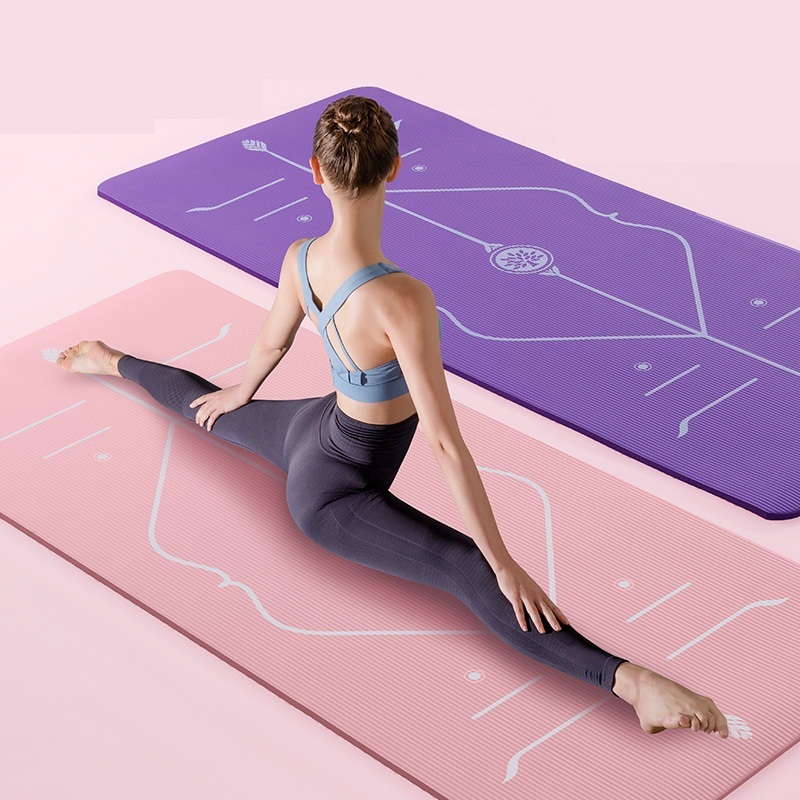
First, What Makes a Yoga Mat Not Vegan?
To really grasp what a vegan yoga mat is, it helps to first understand what it isn’t. The wellness market is vast, and sometimes, animal-derived components can pop up in surprising places.
A yoga mat might not be vegan if it contains:
- Wool: Some “eco-friendly” or “all-natural” mats, particularly those designed for meditation or very gentle yoga, use a top layer of wool for cushioning and warmth. While natural, it is an animal product.
- Leather: Though less common, some high-end or specialty mats may feature leather details, such as straps or logos.
- Animal-Based Glues or Dyes: This is the sneaky one. The adhesives used to bind layers of a mat together or the dyes used for color can sometimes be derived from animal collagen, gelatin, or other by-products. It’s often not listed on the label, making it tricky for a conscious consumer.
So, a truly vegan mat goes the extra mile to ensure every single component, seen and unseen, is plant-based or synthetic and cruelty-free.
Unrolling the Materials: The Building Blocks of a Vegan Yoga Mat
Okay, so we know what to avoid. But what are the good guys? The world of vegan yoga mat materials is innovative and exciting. Let’s break down the most popular options, complete with the real-talk pros and cons I’ve discovered after years of practicing on them all.
Natural Rubber
Harvested from the Hevea brasiliensis tree, natural rubber is a plant-based powerhouse. The process involves tapping the tree for its milky latex fluid, much like tapping a maple tree for syrup. It’s a renewable resource when managed responsibly.
- The Good Stuff: Unbeatable grip. Seriously, if you’re a sweaty-palmed warrior like me, natural rubber is a game-changer. It offers a grounded, earthy feel and excellent cushioning. It’s also highly durable.
- Things to Consider: It can be heavy, making it less ideal for yogis on the go. It also has a distinct rubbery smell when new, though this fades over time. And crucially, it’s a no-go for anyone with a latex allergy.
Cork
Cork is another superstar of sustainability. It’s harvested from the bark of the Cork Oak tree without ever cutting the tree down. The bark regenerates, making it an incredibly eco-friendly choice.
- The Good Stuff: Cork has a unique property: it gets grippier with moisture. This makes it fantastic for hot yoga or anyone who sweats a lot during a powerful Vinyasa flow. It’s also naturally antimicrobial, which means it stays fresher for longer.
- Things to Consider: It can feel a bit firm for those who prefer a plush, foamy surface. When completely dry, the initial grip might feel less “sticky” than rubber, but a light spritz of water can fix that instantly.
Jute
Jute is a natural plant fiber, often used to make burlap. When woven into a yoga mat, it creates a wonderfully textured, organic surface. It’s typically blended with a polymer like PER (Polymer Environmental Resin) for structure and cushioning.
- The Good Stuff: The texture provides excellent traction, preventing you from slipping in standing poses. Jute is breathable and has a rustic, natural aesthetic that many people love.
- Things to Consider: That same texture can be a bit rough on sensitive skin, especially during poses where you’re resting on your knees or forearms.
TPE (Thermoplastic Elastomer)
TPE is a man-made material, but don’t let that scare you. It’s a blend of plastic and rubber polymers. Unlike its infamous cousin, PVC, TPE is non-toxic, biodegradable, and recyclable. It’s a common and excellent vegan-friendly option.
- The Good Stuff: TPE mats are incredibly lightweight, making them perfect for travel or carrying to the studio. They offer a great balance of cushioning and support and often come in a wide variety of colors and patterns. They’re also generally more affordable.
- Things to Consider: They may not be as durable as natural rubber in the long run, especially with a vigorous daily practice. The grip is good, but might not match the “locked-in” feel of premium rubber for the sweatiest of practices.
“Choosing a vegan yoga mat is a beautiful extension of the principle of ahimsa. It’s a conscious decision to ensure the energy you bring to your practice, and the foundation you practice upon, is one of kindness and non-harm to all beings. It transforms the mat from a simple tool into a symbol of your values.”
— Elena Sharma, Certified Yoga Instructor (E-RYT 500)
How to Choose the Perfect Vegan Yoga Mat for You
Alright, you know the materials. Now comes the fun part: picking your perfect partner in practice. It’s less about finding the “best” mat and more about finding the best mat for your unique journey.
Ask yourself these questions:
1. What’s Your Yoga Style?
- For the Power Flow & Hot Yoga Fan: You sweat, you move, you need a mat that can keep up. Look for cork or natural rubber. Their grip performance under sweaty conditions is unparalleled.
- For the Restorative & Yin Yogi: Comfort is key. You’ll be holding poses for a long time. A thicker TPE mat or a cushioned natural rubber mat will provide the joint support you need.
- For the All-Rounder (Hatha, Vinyasa): You need a versatile mat. A mid-weight natural rubber or a high-quality TPE mat offers a fantastic balance of grip, cushion, and portability.
2. How Important is Portability?
Do you walk to your local studio or plan to take your mat on vacation? If so, weight matters. A lightweight TPE mat is your best friend. If your mat lives in your living room, the heavier weight of a durable natural rubber mat is less of a concern.
3. What’s Your Budget?
Investing in a quality yoga mat is investing in your practice.
- Budget-Friendly: TPE mats generally offer the best performance for the price.
- Mid-Range: High-quality TPE and some jute or cork blends fall here.
- Premium Investment: High-density natural rubber and pure cork mats are typically at the higher end, but they are built to last for years.
How Do You Clean a Vegan Yoga Mat?
Keeping your mat fresh is essential for a pleasant practice. The best way to clean a vegan yoga mat is to use a simple, natural solution that won’t degrade the material.
For most vegan mats (especially rubber, cork, and TPE), a simple DIY cleaner is all you need. In a spray bottle, mix distilled water with a few drops of a gentle essential oil like tea tree, lavender, or eucalyptus, which have natural antibacterial properties.
Step-by-Step Cleaning Guide:
- After Practice: Lightly spray your mat with your DIY cleaner.
- Wipe Down: Use a soft, damp cloth (microfiber works great) to gently wipe the entire surface. Don’t scrub aggressively, especially on natural rubber.
- Air Dry: Hang your mat or lay it flat to air dry completely before rolling it up. Crucially, keep it out of direct sunlight, as UV rays can damage natural materials like rubber and cork over time.
- Deep Clean (Monthly): For a deeper clean, you can be a bit more thorough with your wiping, but avoid submerging most mats (especially cork and rubber) in water, as this can damage them.
Frequently Asked Questions (FAQ)
Q1: Are all “eco-friendly” yoga mats also vegan?
Not necessarily. This is a great question and a common point of confusion. A mat can be made from a sustainable, biodegradable material like wool, which is eco-friendly but not vegan. Always check the specific material list to be sure.
Q2: Do vegan yoga mats have good grip?
Absolutely! In fact, some of the grippiest materials on the market are vegan. Natural rubber is legendary for its non-slip surface, and cork provides incredible grip, especially when wet.
Q3: How long will my vegan yoga mat last?
Durability depends on the material and how often you practice. A high-quality natural rubber or cork mat can last for 5+ years with proper care. TPE mats might show wear a bit sooner with daily, intense use but are still very durable.
Q4: Are vegan yoga mats more expensive?
They can be, but not always. While premium, sustainably harvested materials like cork and natural rubber often come with a higher price tag, they are an investment in longevity and performance. TPE offers a fantastic, affordable vegan option.
Q5: My natural rubber mat has a strong smell. Is that normal?
Yes, it’s completely normal. The earthy, rubbery smell is a sign that you have an authentic natural rubber mat. It will dissipate significantly over the first couple of weeks of use. Airing it out in a well-ventilated space (but out of the sun!) can help speed up the process.
Your Practice, Your Choice
Choosing a yoga mat is a personal journey. By understanding what is a vegan yoga mat, you’re empowering yourself to make a choice that aligns with your practice both on and off the mat. It’s about creating a space that not only supports your body in every asana but also reflects your deepest values of compassion and mindfulness. Your mat isn’t just an accessory; it’s the ground that holds you, the space that supports you, and a reflection of your commitment to yourself and the world.