So, you’re ready to deepen your yoga practice, or maybe you’re just starting this incredible journey. You’ve seen the gear, you’ve felt the call to the mat, but let’s be real—your wallet isn’t quite ready for a triple-digit price tag. The search for the Best Yoga Mat Under 50 can feel a bit like searching for a unicorn. Can you actually get quality, grip, and durability without breaking the bank? I’m here to tell you, as someone who has seen and stepped on hundreds of mats, that the answer is a resounding yes. You just need to know what to look for.
This isn’t just about finding a cheap mat; it’s about finding a valuable one. A mat that supports your Downward Dog, cushions your knees in Cat-Cow, and won’t have you slipping and sliding in Warrior II. Forget the noise and the marketing jargon. We’re going to break down everything you need to know to find a partner for your practice that respects both your body and your budget.
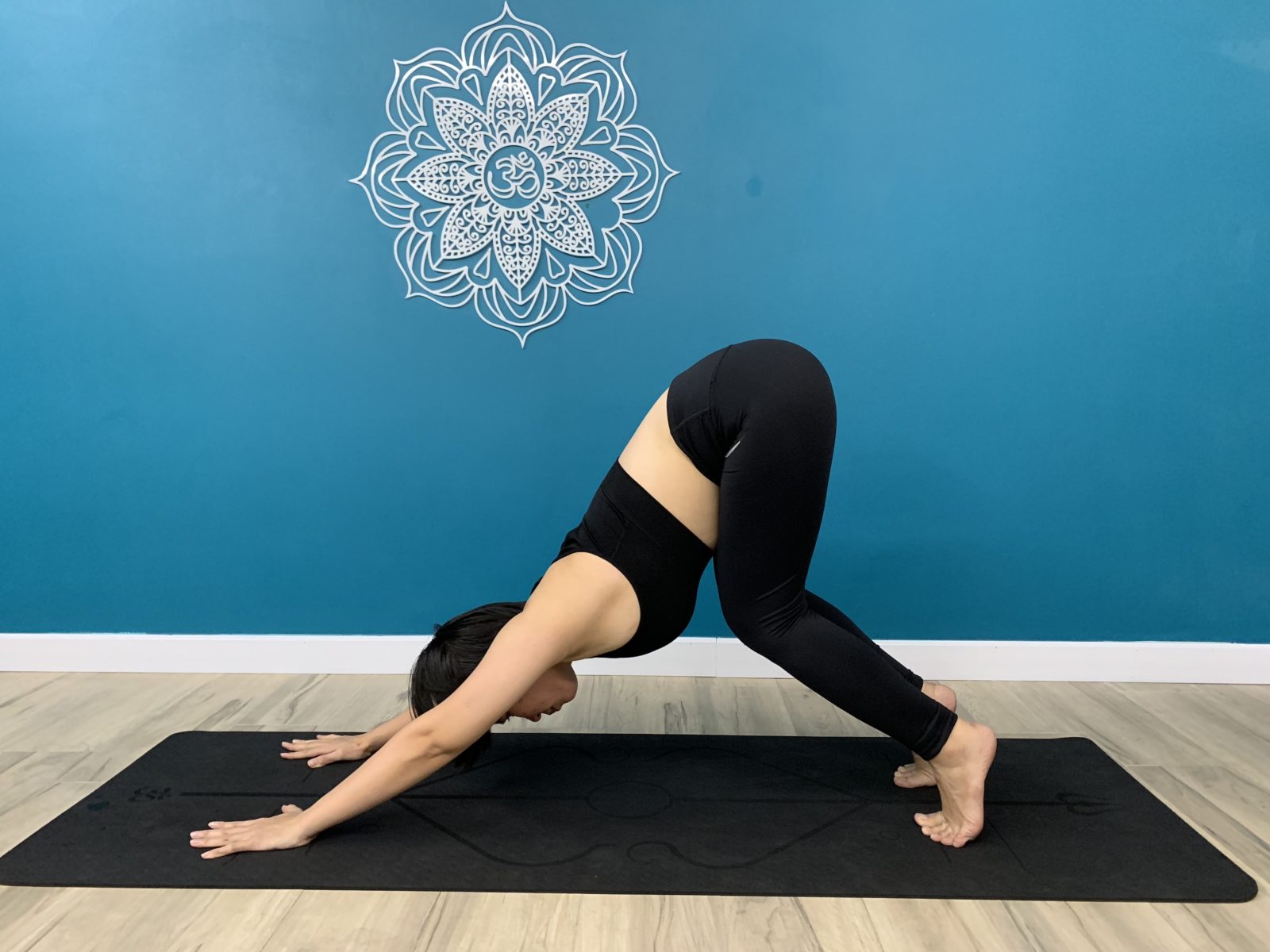
Why Your Yoga Mat Is More Than Just a Piece of Foam
Before we dive into the nitty-gritty of choosing a mat, let’s take a moment to appreciate what it really is. Your yoga mat is your sacred space. It’s a physical boundary for your practice, a portable slice of sanctuary you can unroll anywhere. It’s the only thing separating you from the studio floor. A good mat provides stability, safety, and comfort, allowing you to focus on your breath and alignment rather than worrying about your hands slipping. Think of it as the foundation of your practice—a shaky foundation leads to a shaky house.
Material Matters: What Is Your Mat Actually Made Of?
When you’re looking for the best yoga mat under 50, the material is the single most important factor. It dictates the mat’s grip, weight, durability, and eco-friendliness. It’s where you’ll see the biggest differences in this price range.
PVC (Polyvinyl Chloride)
This is the old-school, classic yoga mat material. It’s known for being incredibly durable and offering good cushioning. However, it’s not the most environmentally friendly option and can sometimes feel slippery when you first get it, requiring a “break-in” period.
- Pros: Very durable, easy to clean, often the most affordable.
- Cons: Not biodegradable, can contain chemicals like phthalates, can be slippery when new or wet.
TPE (Thermoplastic Elastomer)
TPE is a man-made blend of plastic and rubber polymers. It’s often hailed as the more eco-conscious alternative to PVC. It’s recyclable, lighter, and typically doesn’t have the harsh chemical smell associated with new PVC mats.
- Pros: More eco-friendly than PVC, lightweight, good cushioning, often has a closed-cell structure (resists sweat and bacteria).
- Cons: Can be less durable than PVC over the long run; may stretch slightly in certain poses.
Natural Rubber
Sourced from rubber trees, this is a fantastic eco-friendly option. Natural rubber mats are famous for their unbeatable grip. If you’re a sweaty yogi or practice in a heated room, a rubber mat can be a game-changer. The trade-off? They are heavier and can have a distinct rubbery smell that fades over time. It’s tougher, but not impossible, to find a great one under $50.
- Pros: Superior grip, sustainable material, great cushioning.
- Cons: Can be heavy, may have a strong initial smell, not suitable for those with latex allergies.
Cork
Cork is another superstar of sustainability. It’s harvested from the bark of cork oak trees without harming the tree. Cork is naturally antimicrobial and has a unique property: its grip increases as you sweat. It’s often bonded to a rubber or TPE base for cushioning.
- Pros: Eco-friendly and sustainable, naturally antimicrobial, excellent grip when wet.
- Cons: Can be less flexible, may feel firm to some, the cork layer can sometimes peel with heavy use on cheaper models.
How to Choose the Perfect Best Yoga Mat Under 50 for You
Okay, theory’s over. Let’s get practical. Choosing the right mat is a personal decision. The perfect mat for a hot yoga enthusiast is completely different from what a yin yoga practitioner needs.
### First, What’s Your Yoga Style?
Think about the kind of yoga you practice most often.
- For Sweaty, Dynamic Practices (Vinyasa, Hot Yoga, Ashtanga): Grip is your number one priority. You need a mat that won’t turn into a slip-n-slide the moment you start to sweat. Look for a natural rubber or cork mat. If you opt for TPE or PVC, consider one with a textured surface for extra traction.
- For Static, Restorative Practices (Yin, Hatha, Restorative): Cushioning is king. You’ll be holding poses for longer periods, often on your knees or back. A thicker mat (5mm or more) made from TPE or PVC will provide the comfort you need to relax into the pose.
“I always tell my students, especially beginners, to prioritize grip over excessive cushioning. You can always fold your mat or use a blanket for your knees, but you can’t fake stability. A non-slip surface builds confidence from the ground up.” – Elena Ramirez, Certified Yoga Instructor
Let’s Talk Thickness and Cushion
Mat thickness is measured in millimeters (mm) and typically ranges from 1.5mm (travel mats) to 8mm (extra thick).
- 3mm-4mm (Standard): This is the sweet spot for many. It offers enough cushion to be comfortable on a hard floor but is thin enough to give you a strong connection to the ground, which is crucial for standing and balancing poses. Most of the best yoga mats under 50 fall into this range.
- 5mm-6mm (Extra Cushion): If you have sensitive joints, particularly knees or wrists, or if you practice a lot of restorative yoga, this extra padding can be a lifesaver. The downside is that it can make balancing poses a bit more challenging.
- 1.5mm-2mm (Travel): These are super thin and lightweight, designed to be folded and packed in a suitcase. They don’t offer much cushion and are best used on top of another mat or on a soft surface like carpet.
The Grip Factor: Don’t Let It Slip
Grip, or “stickiness,” prevents you from sliding. This is a non-negotiable safety feature. It’s influenced by the mat’s material and its surface texture. A “closed-cell” surface resists moisture and is easier to clean, but can become slippery when wet. An “open-cell” surface absorbs moisture, providing better grip during sweaty sessions, but it can be harder to clean.
How to Clean Your Yoga Mat and Make It Last
You found the perfect affordable mat—hooray! Now, how do you make it last? Proper care is essential, especially for more budget-friendly options.
Cleaning your yoga mat is simple and helps maintain its grip and hygiene. For a quick clean after each practice, use a spray bottle with a solution of water and a few drops of a gentle essential oil like tea tree or lavender. For a deeper clean, follow these steps:
- Create a Cleaning Solution: Mix a few drops of mild dish soap with warm water in a bowl or spray bottle. Avoid harsh chemicals or vinegar, which can degrade the material over time.
- Wipe It Down: Lightly spray the mat or use a soft cloth dipped in the solution to gently wipe down the entire surface. Pay extra attention to the areas where your hands and feet go.
- Rinse Thoroughly: Wipe the mat again with a clean cloth dampened with only water to remove any soap residue. This is important, as leftover soap can make the mat slippery.
- Air Dry Completely: Hang the mat to air dry. Never put your yoga mat in the washing machine or dryer. And try to keep it out of direct sunlight for extended periods, as UV rays can cause the material to break down and fade.
Frequently Asked Questions (FAQ)
### How long will a yoga mat under $50 last?
With regular practice (2-3 times a week) and proper care, a good quality yoga mat under $50 can last you anywhere from 1 to 3 years. Durability is often linked to material, with PVC generally lasting longer than TPE at this price point.
### Is a more expensive yoga mat always better?
Not necessarily. An expensive mat might be made from premium, proprietary materials, but that doesn’t automatically make it the “best” mat for you. The best mat is one that fits your practice style, body, and budget. You can find fantastic, high-performing options under $50.
### What is the best material for hot yoga on a budget?
For hot yoga, you need maximum grip. While natural rubber is ideal, it can be pricey. A great budget-friendly strategy is to get a TPE mat with a very textured surface or to pair your mat with a microfiber yoga towel, which also provides excellent grip when damp.
### Can I use my exercise mat for yoga?
You can, but it’s not ideal. General fitness mats are often much thicker and spongier. This is great for sit-ups but can make you unstable in yoga’s standing balance poses. A dedicated yoga mat provides the right balance of cushion and stability.
### What does “closed-cell” vs “open-cell” mean for a yoga mat?
A closed-cell mat has a non-porous surface that doesn’t absorb sweat or bacteria, making it easy to wipe clean. An open-cell mat is porous and absorbs moisture, which can increase grip during a sweaty practice but also makes it harder to clean and potentially harbor bacteria if not cared for properly.
Your Practice, Your Perfect Mat
Finding the best yoga mat under 50 isn’t about compromising; it’s about making an informed choice. By focusing on the fundamentals—the right material for your grip needs, the ideal thickness for your comfort, and a size that gives you space to move—you can find a mat that will be a loyal companion on your yoga journey. Remember, the most important part of yoga happens on the mat, not because of the mat. Your breath, your focus, and your presence are the real tools. Your mat is just the wonderful foundation that supports it all. Now go find yours, unroll it, and enjoy the flow.